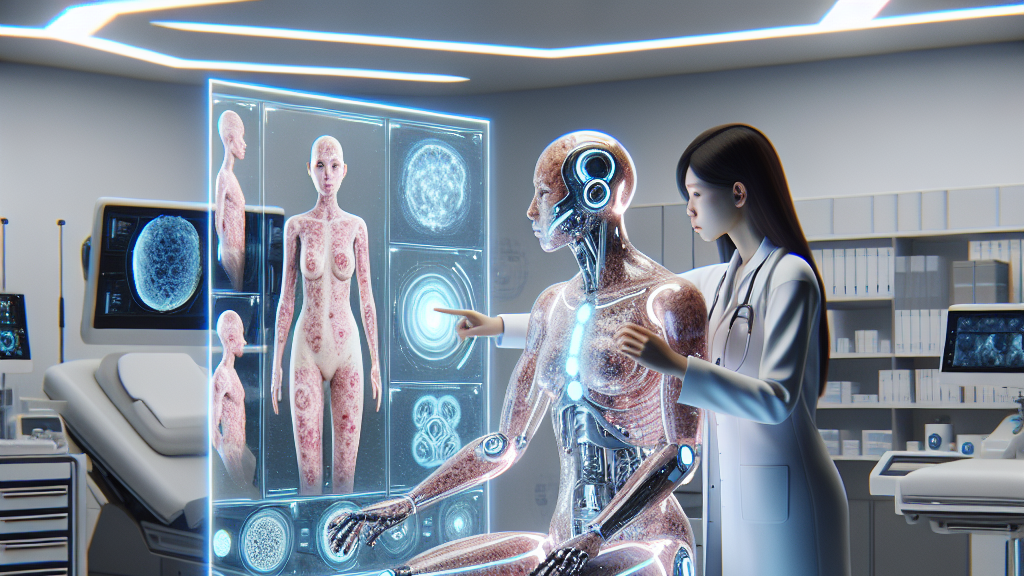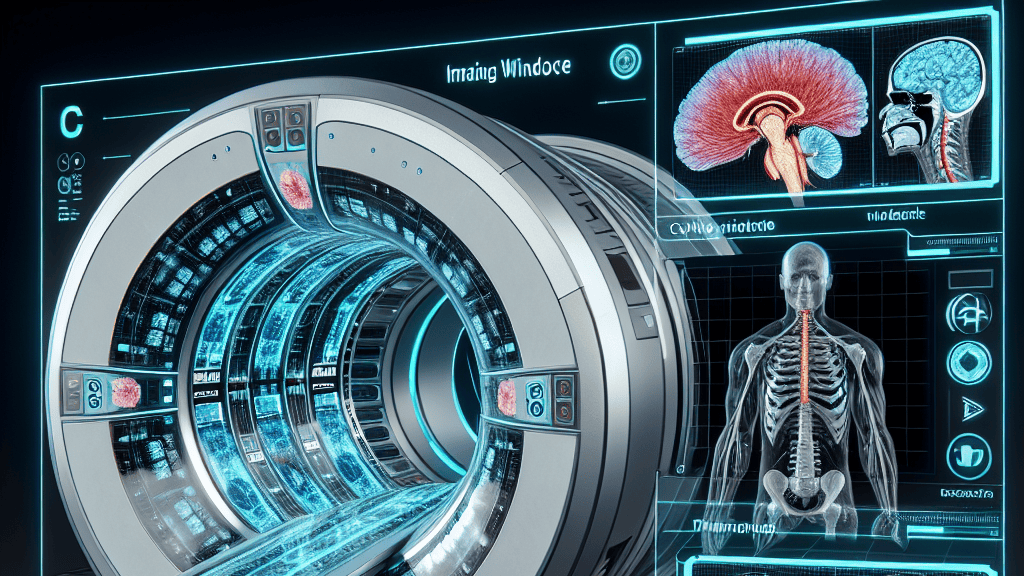
Picture this: a CT scan that can adjust itself to show doctors exactly what they need to see, clearer and brighter than ever before. It sounds like science fiction, but a recent breakthrough could make this a reality, offering a significant leap forward in medical imaging. By using a new method based on something called the Tanh activation function, experts have devised a way to enhance CT images, making them not just better but also more understandable for doctors around the world.
The crux of this research is a special tool that can be ‘plugged in’ to existing CT scan machines and use deep learning—a type of artificial intelligence—to automatically adjust the clarity and focus of images. The advantage here is that it does not just rely on mathematical computations but also adheres to principles that doctors are familiar with, making it both innovative and practical. This dual approach ensures that the images are clearer, making them easier to interpret and boosting the trust factor for medical professionals.
So, why does this matter to you? In a future where this tool becomes standard in hospitals, your CT scans could be more accurate, leading to better diagnosis and treatment outcomes. This means quicker recovery times, more personalized care, and a peace of mind knowing that doctors have the most precise tools at their fingertips. This isn’t just about pictures—it’s about transforming healthcare into something better for everyone.
A single tweak in CT imaging can improve clarity by up to 200%, making it easier for doctors to diagnose conditions accurately.
FAQs
What unexpected discovery did scientists make?
Scientists found that using a simple plug-and-play module based on the Tanh activation function can increase the precision of CT scans by up to 200% on certain targets.
Why is this important for medical imaging?
This advancement enables more accurate and reliable CT images, which can dramatically improve diagnosis and treatment plans for patients.
How does this new method gain trust from clinicians?
The method adheres to both deep learning principles and clinically intuitive concepts, making it easier for doctors to understand and trust the results from CT scans.
Can existing CT machines use this technology?
Yes, the solution is designed to be compatible with mainstream deep learning architectures, meaning it can be integrated into existing CT technology easily.
How could this impact patient care?
More accurate scans mean quicker diagnoses, personalized treatment plans, and ultimately, better patient outcomes and experiences.
Background
In medical imaging, CT or Computed Tomography scans are used for visualizing internal aspects of the body. They require ‘window settings’ which adjust the image contrast to highlight different tissues like bones or organs. The challenge has been to automate these settings to enhance image clarity while being understandable for clinicians. The Tanh activation function, often used in artificial intelligence, helps achieve this by providing a predictable and smooth adjustment curve, making it ideal for enhancing CT images automatically.
History
CT scans became a staple in medical diagnostics in the 1970s, transforming how doctors could see inside the human body without surgery. The focus since then has been on enhancing image quality and diagnostic accuracy. Recent developments have used neural networks in deep learning to automate this process, but integrating this technology while maintaining clinical understandability has been a challenge. This study bridges these aspects, offering a practical increase in image clarity along with clinician-friendly interpretation.
Based on “Interpretable Auto Window Setting for Deep-Learning-Based CT Analysis” by Yiqin Zhang, Meiling Chen, Zhengjie Zhang, available on arXiv (arxiv.org/abs/2501.06223), used under CC BY 4.0 (creativecommons.org/licenses/by/4.0/).