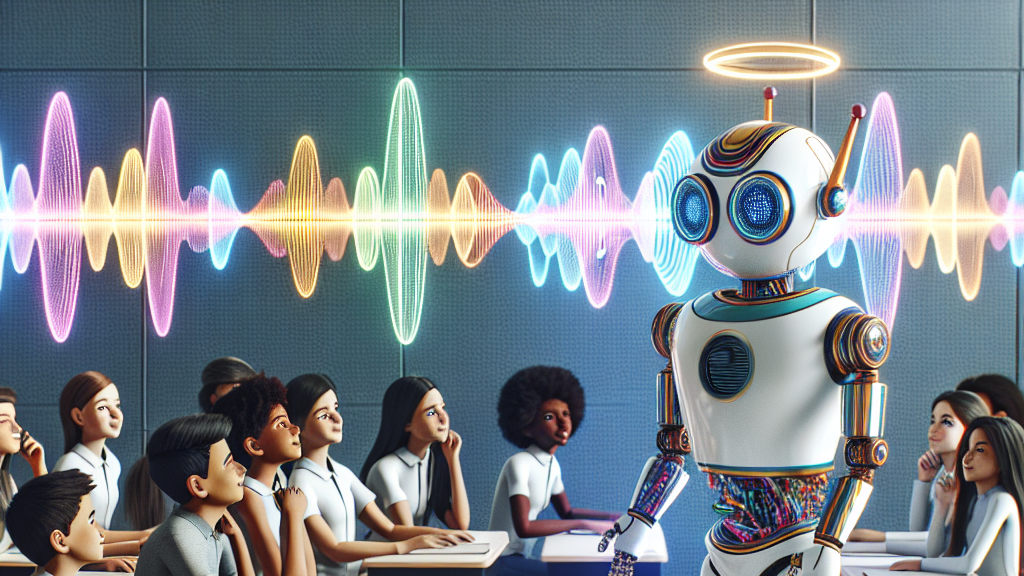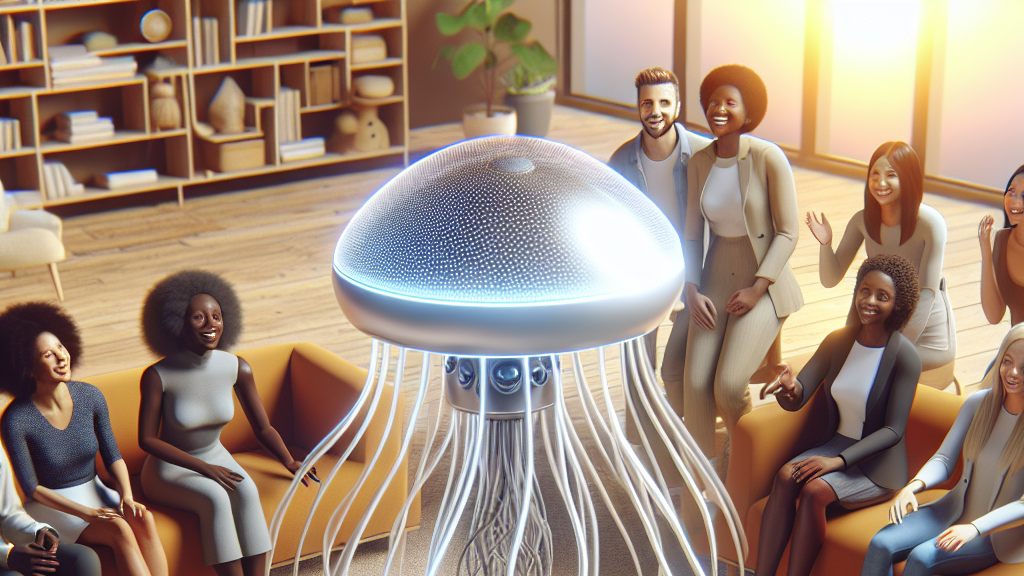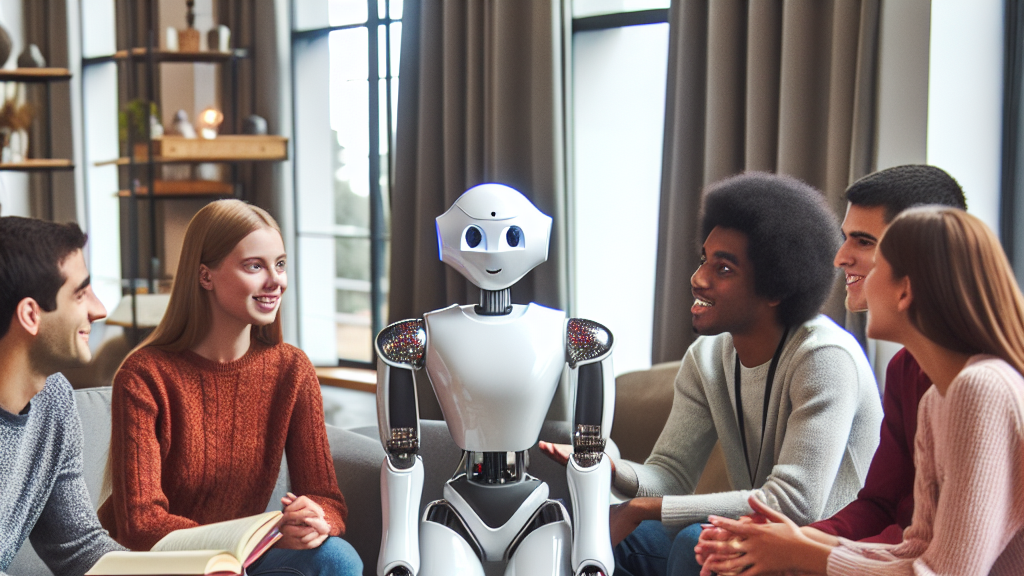
Imagine a world where a friendly robot greets you every morning, checks on your health, and even remembers your favorite hobby. This isn’t a sci-fi movie, but a reality where social robots and virtual agents are stepping up to improve the lives of older adults. Think about it—robots with a physical presence could become your engaging health companions, while virtual agents adapt seamlessly without taking up extra space in your home.
Researchers delved into the world of health tech to see which interface—robots or virtual agents—wowed older adults more. Over eight weeks, participants got to know these systems right from their living rooms. The results showed that social robots left a lasting impression of warmth and charm, while virtual agents smartly aced the intelligence test. This comparison is groundbreaking, as it uncovers how different systems impact user experience and what truly matters in long-term interaction.
Picture a future where a caring companion, personalized to your needs, is at your service, thanks to cutting-edge research on social interfaces. You might have a charming robot offering friendly chats or an invisible virtual agent providing sharp insights on your well-being. Imagine how this could transform not only personal health monitoring but also offer peace of mind to your family, ensuring anyone can stay healthy and happy with a touch of digital magic.
Did you know that some older adults find robots more charming than virtual agents? It’s a fact that brings a smile and emphasizes how tech can be both helpful and heartwarming!
FAQs
What are the key differences between social robots and virtual agents for older adults?
Social robots have a physical presence and can offer engaging, face-to-face interactions, while virtual agents are software-based, providing flexible and scalable solutions without the need for physical space.
How do social robots and virtual agents impact health monitoring for older adults?
Social robots are perceived as more likable, offering warmth and interaction, whereas virtual agents are seen as more intelligent, facilitating smart health monitoring solutions.
Why is this research on robots and virtual agents in healthcare important?
This study provides insights into how different interfaces can improve long-term health and well-being for older adults, shaping future tech that aligns with users’ preferences and needs.
How could social robots enhance older adults’ daily lives?
Social robots could serve as charming companions, providing not only health monitoring but also emotional support, reminding them of medications, or even engaging in their favorite pastimes.
What makes virtual agents particularly effective in health monitoring?
Virtual agents excel in intelligence and adaptability, offering personalized health insights and easily adjusting to users’ evolving needs and routines without requiring physical space.
Background
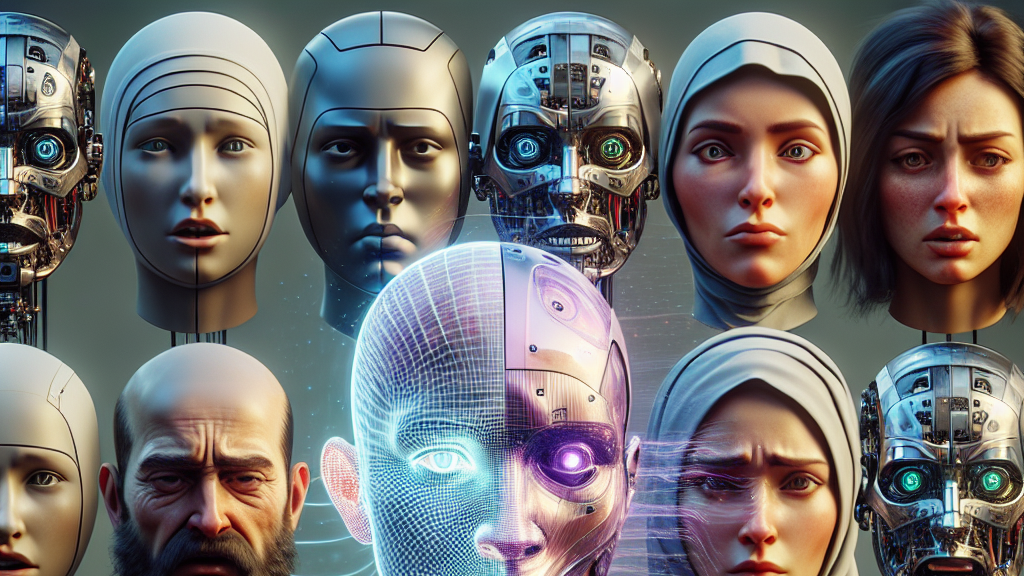
In the realm of health technology, social robots are machines with a presence that can interact physically with humans. They use sensors, cameras, and algorithms to communicate. In contrast, virtual agents are software programs that provide interaction through voice or text, typically without any physical form. These innovations are explored to make health monitoring more engaging, especially for older adults who might benefit from having a friendly companion or assistant in their daily lives.
History
The concept of machines assisting humans isn’t new; robots have been imagined in fiction for decades and began practical applications in the mid-20th century. As technology evolved, sociable robots emerged, focusing on interaction and support. Virtual agents, on the other hand, have roots in artificial intelligence and natural language processing, evolving as smartphones and smart devices surged. This study builds on these developments, assessing practical applications in real homes over extended periods.
Based on “Likable or Intelligent? Comparing Social Robots and Virtual Agents for Long-term Health Monitoring” by Caterina Neef, Anja Richert, available on arXiv (arxiv.org/abs/2502.15948), used under CC BY 4.0 (creativecommons.org/licenses/by/4.0/).