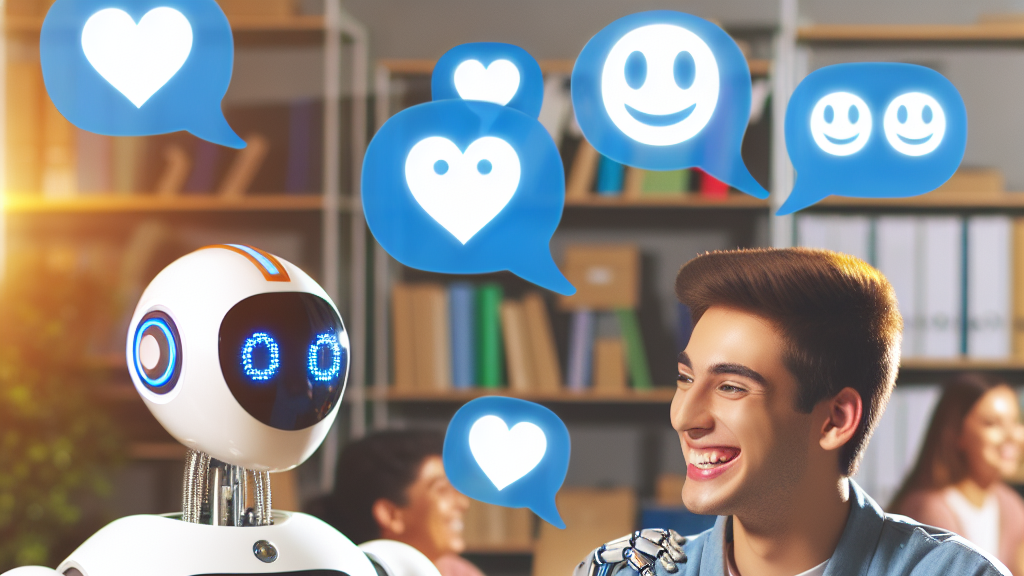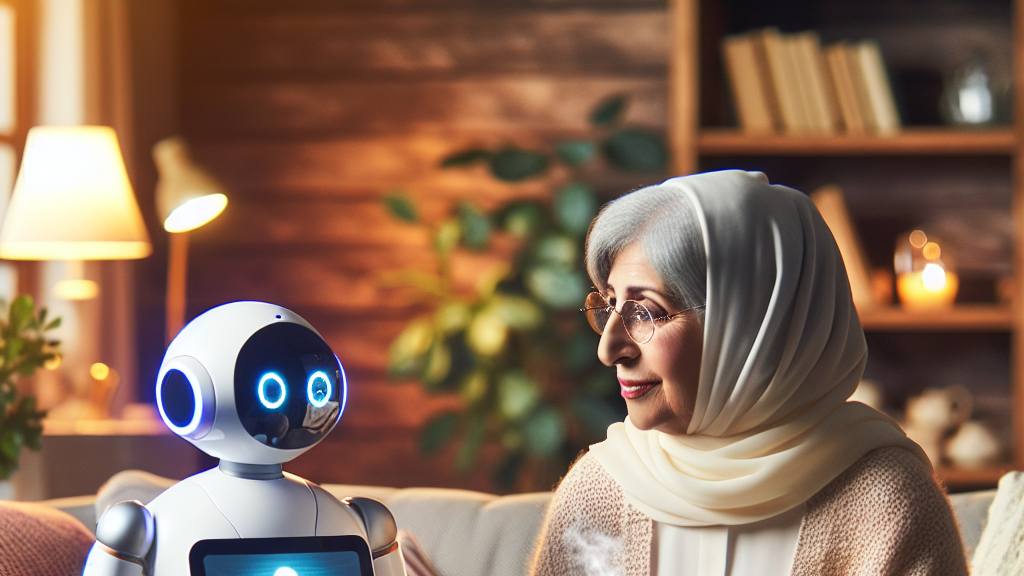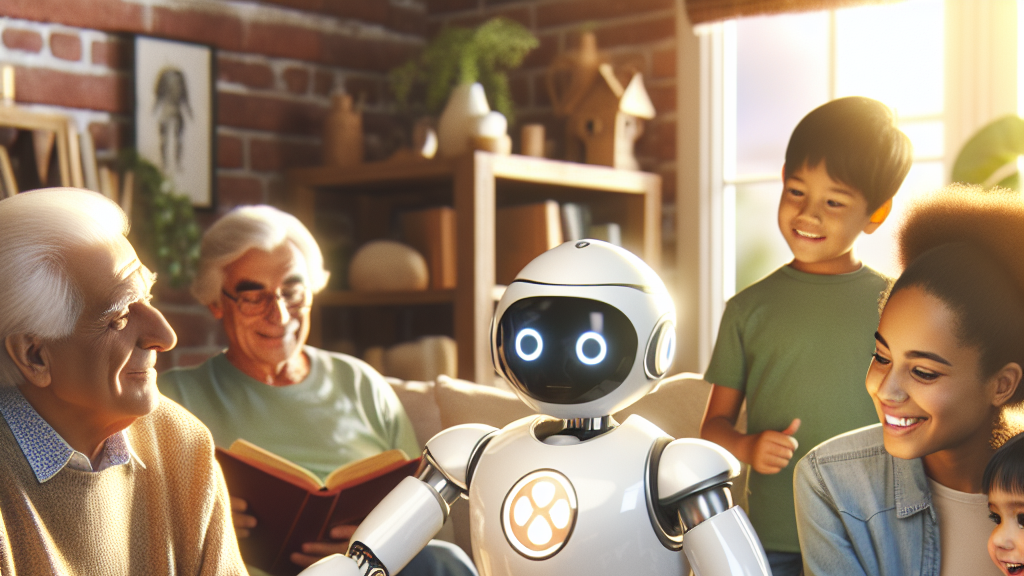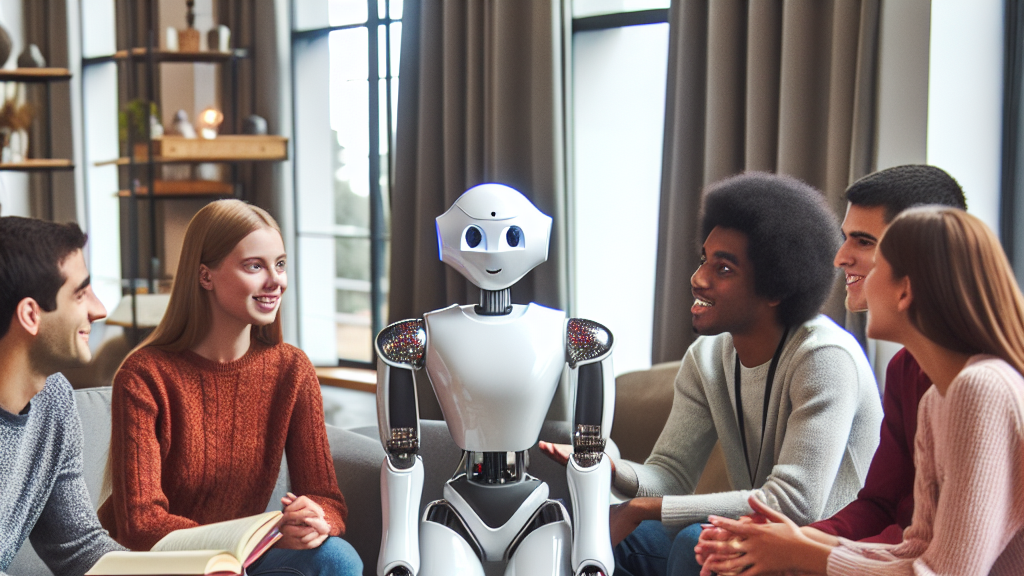
Imagine having a robot friend who helps you manage your emotions just by talking to you. Sounds like science fiction, right? Well, it’s becoming a reality. This study explored how regular conversations with a personable robot in familiar university settings could actually improve how students deal with their emotions. Known as emotion regulation, this process is crucial for handling life’s ups and downs, but finding an effective way to support it isn’t always easy—until now.
In this exciting experiment, twenty-one students engaged in five sessions with a friendly robot that encouraged them to rethink emotional situations they faced. The robot wasn’t just a good listener; it provided insights that helped the students understand and control their emotions better. The results were promising: after these heart-to-robot chats, students not only felt more in control but also reported being more expressive and thoughtful. They used more emotional language and felt safer to confront feelings they’d been avoiding.
These findings open up exciting possibilities for using technology to support mental health. In the future, we might see robots in schools, workplaces, and even homes, helping people not just ‘store’ knowledge, but actively manage their emotions too. Imagine a world where a robot can help you calm down after a stressful day at work, or help a student deal with exam anxiety. The potential applications are as exciting as they are endless.
People are more willing to open up about their emotions to robots compared to humans because robots don’t judge.
FAQs
How do social robots improve emotion regulation skills?
Social robots improve emotion regulation by guiding individuals through cognitive reappraisal, helping them reinterpret challenging emotional situations and fostering a better understanding of their feelings.
What role did the university setting play in the study with social robots?
The university setting provided a familiar environment for students, which made them more comfortable and open to interacting with the robot, enhancing the effectiveness of the emotion regulation support.
Can talking to robots really impact emotional expressiveness?
Yes, the study found that students became more expressive during their interactions with the robot, often using more emotional language and showing greater facial expressions when discussing their feelings.
Why were students chosen for the social robot study?
Students often face significant emotional challenges, making them an ideal group to test the potential of social robots in providing emotional support and cognitive guidance.
What’s the advantage of using social robots for mental health support?
Social robots offer a non-judgmental, consistent, and engaging way to support emotional well-being, making them a valuable tool for helping people manage their emotions effectively.
Background
Emotion regulation is about managing our feelings in a healthy way, which is crucial for mental well-being. One powerful method of emotion regulation is cognitive reappraisal, where we change how we think about a situation to alter its emotional impact. Social robots, equipped with advanced artificial intelligence, can engage in conversations that help guide this reappraisal process, providing support and encouragement to those struggling to manage their emotions.
History
The concept of using technology for emotional support isn’t new. Early experiments with robotic pets and chatbots showed potential for emotional engagement. The current study builds on these foundations, using more advanced robots capable of deeper, more personal interactions. This research aligns with a growing trend of integrating technology into mental health practices, reflecting the progress from basic robotic companions to interactive, emotionally intelligent robots.
Based on “A Robot-Led Intervention for Emotion Regulation: From Expression to Reappraisal” by Guy Laban, Julie Wang, Hatice Gunes, available on arXiv (arxiv.org/abs/2503.18243), used under CC BY 4.0 (creativecommons.org/licenses/by/4.0/).