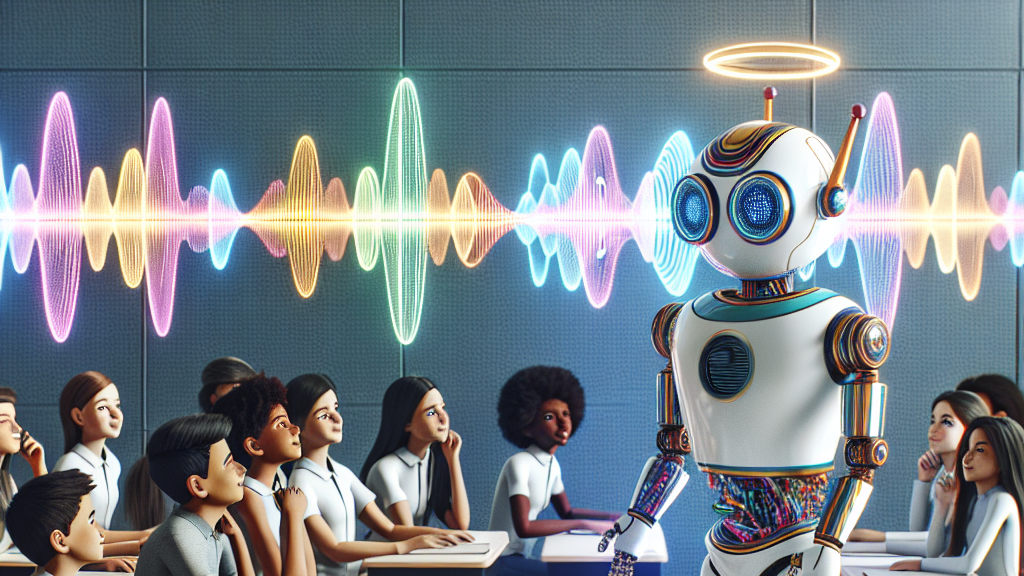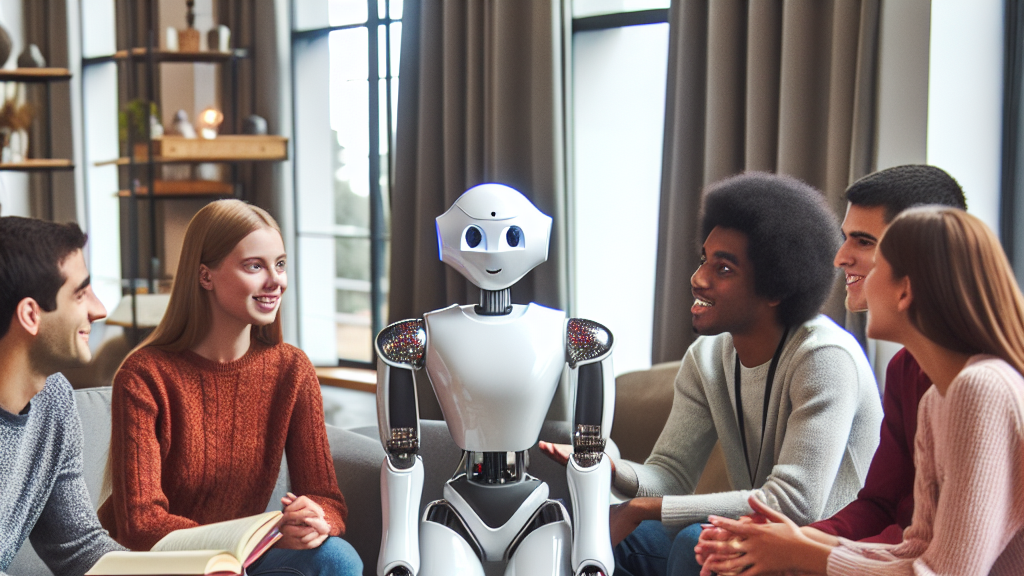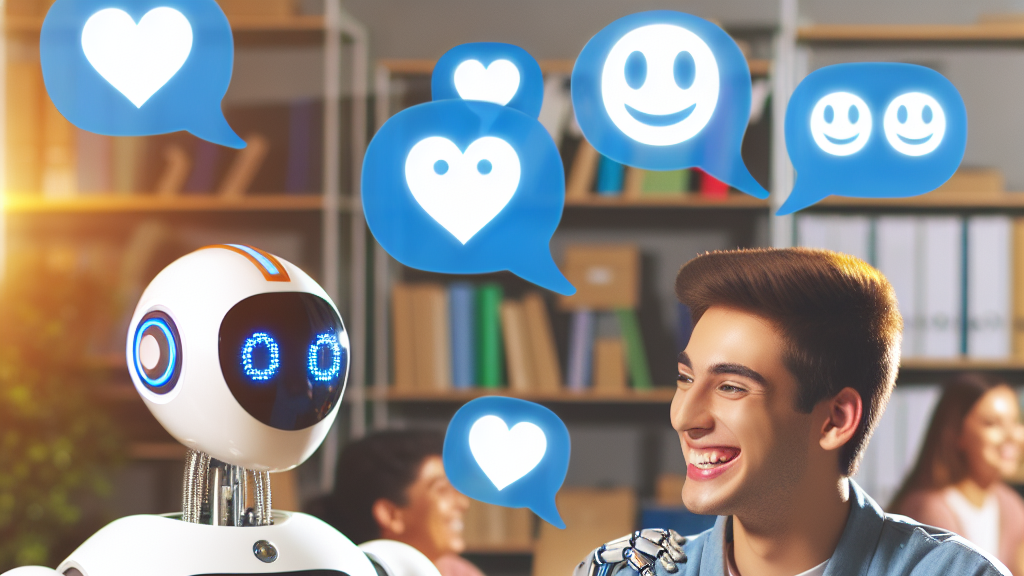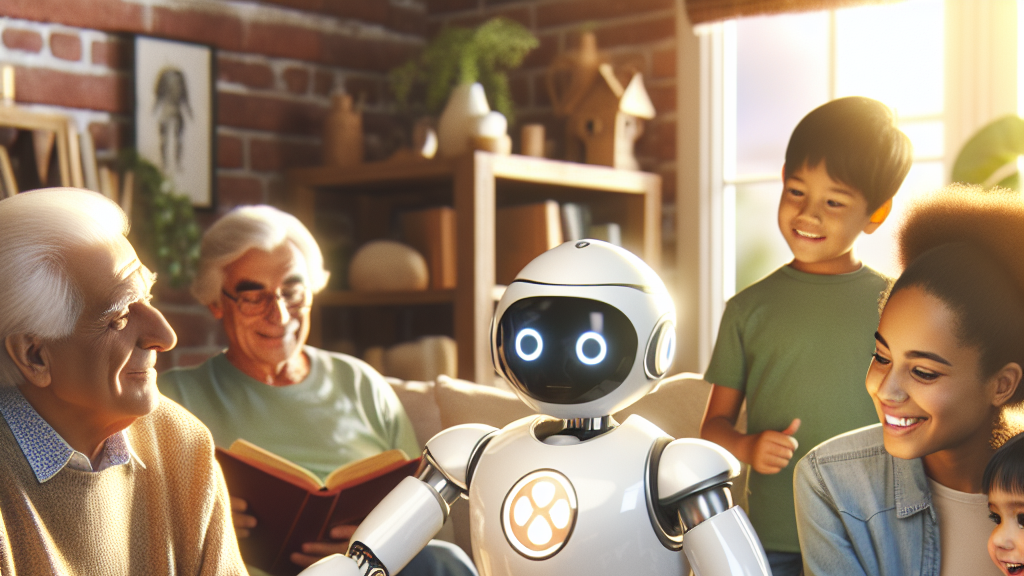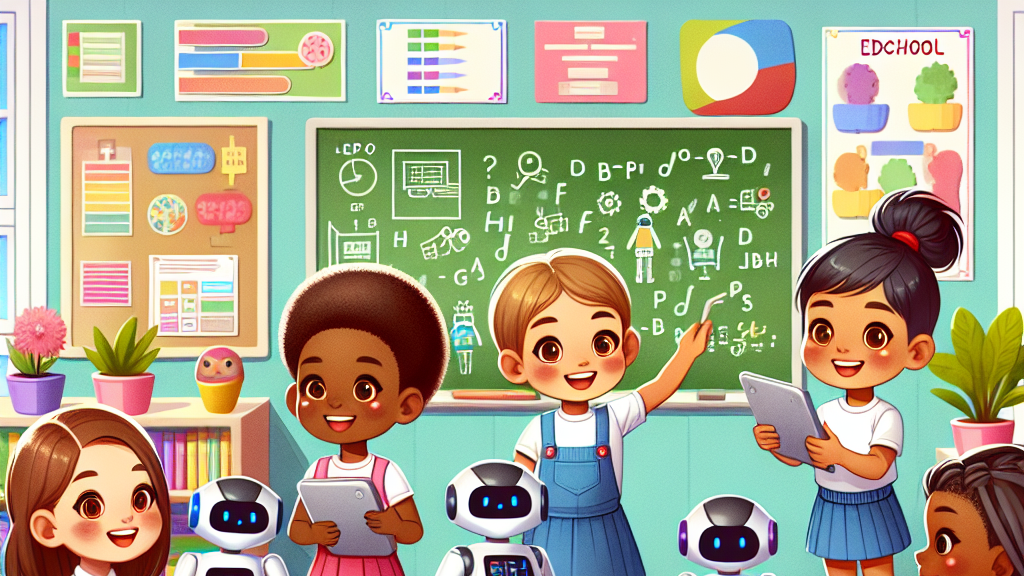
Imagine a classroom where the students are the teachers, and their pupils? Little robots eager to learn! This might sound futuristic, but it’s happening now with robots that learn from kids’ feedback, turning the typical learning process upside down. The results of this novel approach are eye-opening, proving more effective than traditional self-study methods. Kids teaching robots not only have more fun, but they also score higher on their French vocabulary and grammar tests, especially in tasks requiring deeper understanding.
The study explored how interactive reinforcement learning, a type of artificial intelligence, can empower robots to be not just passive tutees but active learning companions. In experiments with 58 children, teaching these robots resulted in better retention and engagement, especially in grammar tasks. Those with less initial knowledge gained the most, showing how this method could level the playing field in education.
This research opens the door to a new era of classroom learning, where robots and children work together as partners. Imagine shy or struggling students gaining confidence, not just from their peers or teachers, but from teaching their robotic sidekick. This approach hints at a future where education is as much about sharing what we know as it is about acquiring new knowledge, leading to enriched learning experiences for everyone involved.
Did you know kids teaching robots could improve their own learning more than traditional study methods?
FAQs
How can social robots improve classroom learning?
Social robots serve as interactive partners that encourage deeper engagement and adaptive learning strategies, helping students retain information better.
What is Interactive Reinforcement Learning?
Interactive Reinforcement Learning is a method where robots adapt and learn from children’s feedback, making the robots more effective teaching partners.
Why do children benefit from teaching robots?
Teaching robots enhances children’s understanding and retention by encouraging them to engage deeply with the content and adapt their teaching strategies over time.
What tasks show the most improvement with robot-assisted learning?
Children showed significant improvements in grammar tasks when teaching robots, highlighting the effectiveness of this novel learning method.
Who benefits the most from teaching robots?
Students with lower prior knowledge benefit the most, as teaching robots helps them gain confidence and improve their learning outcomes.
Background
The concept of Learning-by-Teaching involves students teaching a subject to deepen their own understanding. In this study, interactive reinforcement learning allows robots to learn in real-time, adapting based on the feedback provided by the children. This model emphasizes the role of artificial intelligence in classrooms, enhancing traditional learning techniques by making the robots dynamic and responsive.
History
Learning-by-Teaching has traditionally involved peer-to-peer interactions or teacher-student dynamics. Recent advances in educational technology have paved the way for integrating artificial intelligence, specifically using robots, to adaptively learn from feedback given by students. Prior methods required preset scripts or human oversight, limiting real-time adaptability. This study builds on those foundations by introducing autonomous, responsive robots into real classrooms.
Based on “Robots and Children that Learn Together : Improving Knowledge Retention by Teaching Peer-Like Interactive Robots” by Imene Tarakli, Samuele Vinanzi, Richard Moore, Alessandro Di Nuovo, available on arXiv (arxiv.org/abs/2506.18365), used under CC BY 4.0 (creativecommons.org/licenses/by/4.0/).