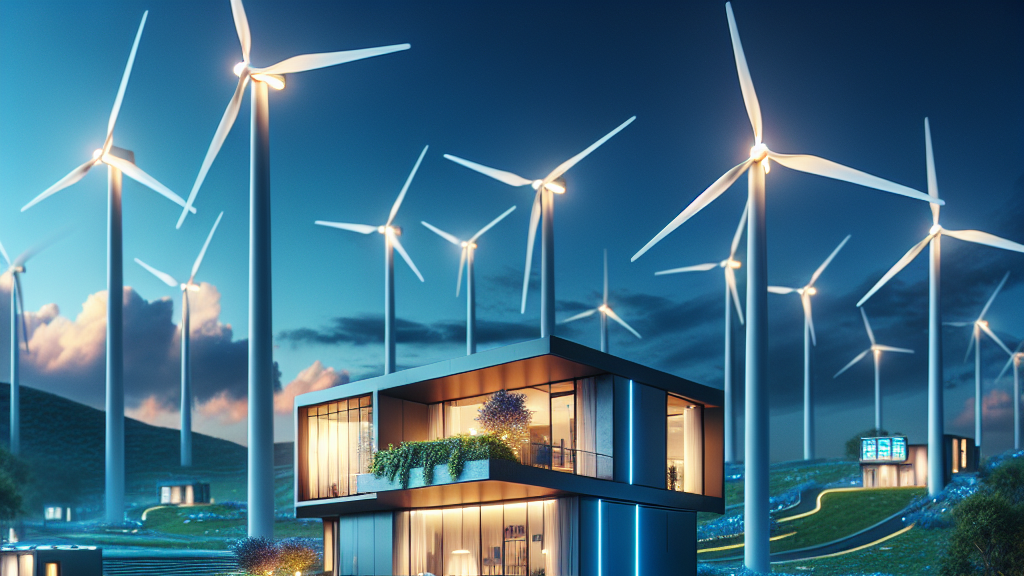
Imagine a world where wind energy doesn’t just rely on the gusts blowing at any given moment, but where it can be stored and used on demand, just like flicking a light switch. That’s exactly what researchers are exploring with a new mathematical model designed to optimize how wind energy is stored in batteries and dispatched to homes and businesses throughout the day. The ultimate goal? To make wind energy as reliable and consistent as your traditional power sources, but much greener.
Researchers have devised a system that tackles the complexities of matching wind energy supply with energy demand. They use something called ‘stochastic control’ which sounds complicated, but it really boils down to predicting and efficiently managing energy flows based on varying conditions, like the unpredictability of the wind. The study even provides a neat solution for when the math gets tricky, using a clever algorithm to figure out the best moves. They tested their model on over 140 wind and battery setups in Texas, checking how well it could smooth out energy delivery and save costs.
Now, why should you care? Well, this kind of research could lead to a future where the lights in your home run on power collected from the wind, stored in your own home battery system. This means fewer blackouts, lower energy bills, and a smaller carbon footprint. It’s like having a backup plan for the unpredictable nature of wind, making renewable energy much more reliable and accessible for all of us.
Texas has some of the highest wind energy production in the world, making it a perfect testing ground for these wind-battery systems.
FAQs
What is wind-battery energy research aiming to solve?
Wind-battery energy research is focused on improving the reliability and stability of energy supply from wind turbines by using batteries to store excess energy and dispatch it when needed. This helps align energy generation with consumption patterns, making renewable energy more practical for everyday use.
How do wind and battery systems work together?
Wind and battery systems work together by capturing energy generated by wind turbines and storing it in batteries. The stored energy can then be used when wind production is low or when energy demand is high, ensuring a steady electricity supply.
What are the benefits of using wind-battery systems?
Wind-battery systems offer several benefits, including reducing reliance on fossil fuels, decreasing greenhouse gas emissions, and providing a more stable and reliable electricity supply, even when wind conditions are less than ideal.
Why is Texas a significant location for testing wind-battery systems?
Texas is a significant location for testing wind-battery systems because it has a large number of wind energy installations and is a major producer of wind power. This makes it an ideal testing ground for innovative energy storage solutions like the ones being researched.
How might this research impact everyday life?
This research could lead to more stable and reliable energy supplies from renewable sources, potentially lowering energy costs and reducing the frequency of blackouts, providing a cleaner, more sustainable energy future.
Background
At its core, this research is about optimizing how energy generated from wind is stored and used. Wind energy can be inconsistent—sometimes the wind blows hard, and sometimes not at all. To make sure there’s always electricity when we need it, the energy generated by wind turbines can be stored in batteries. This stored energy is then released during periods when wind production is low, maintaining a stable supply.
History
The integration of energy storage with renewable sources like wind has been an evolving field. Initially, the challenge was purely generating enough energy. However, as technology improved, attention shifted toward reliably storing and distributing this energy. Earlier studies looked at how batteries could store energy, but this new research focuses on perfecting the timing and efficiency of energy release to match demand, drawing on advanced techniques like stochastic control and algorithms.
Based on “Intraday Battery Dispatch for Hybrid Renewable Energy Assets” by Thiha Aung, Mike Ludkovski, available on arXiv (arxiv.org/abs/2503.12305), used under CC BY 4.0 (creativecommons.org/licenses/by/4.0/).