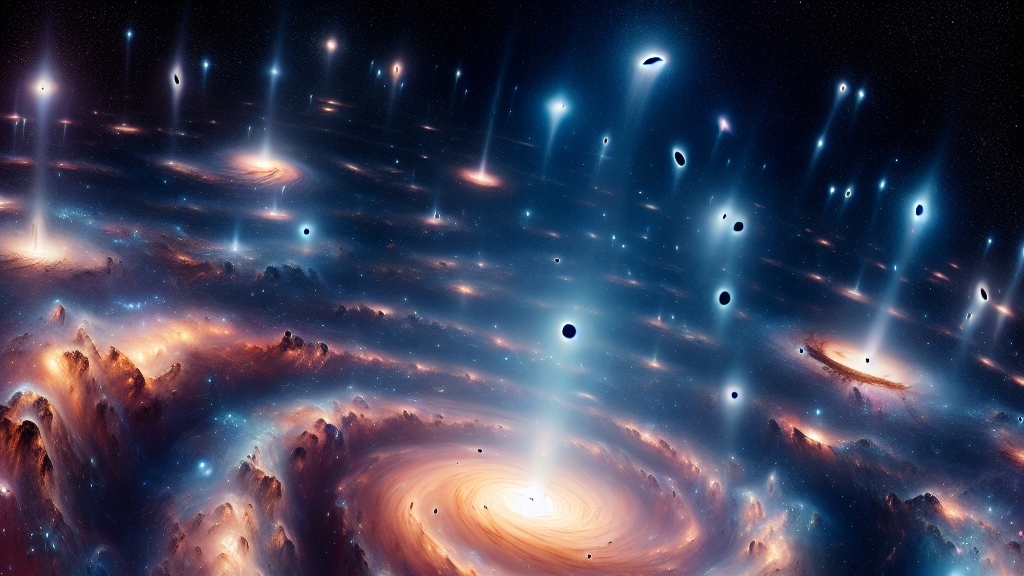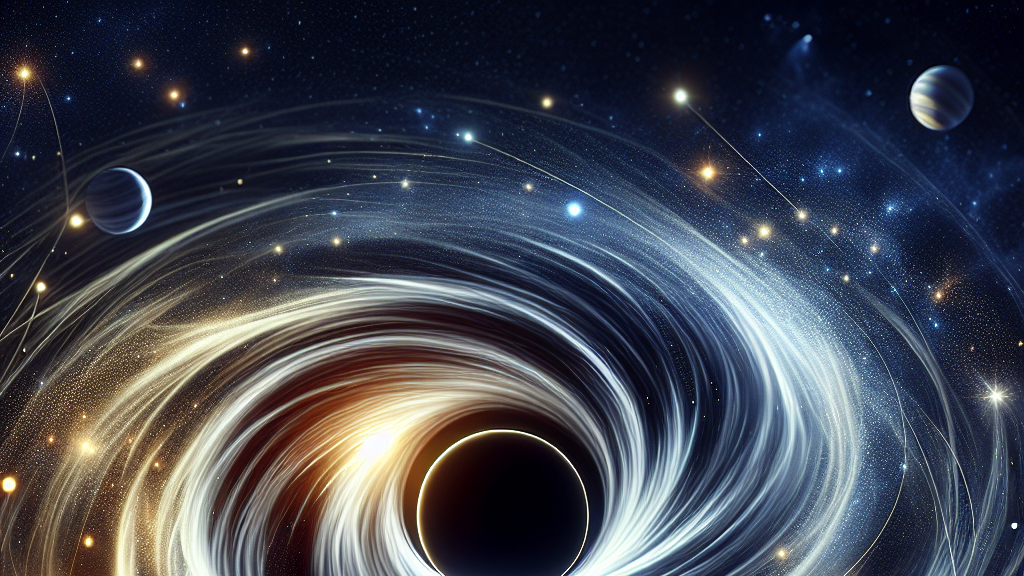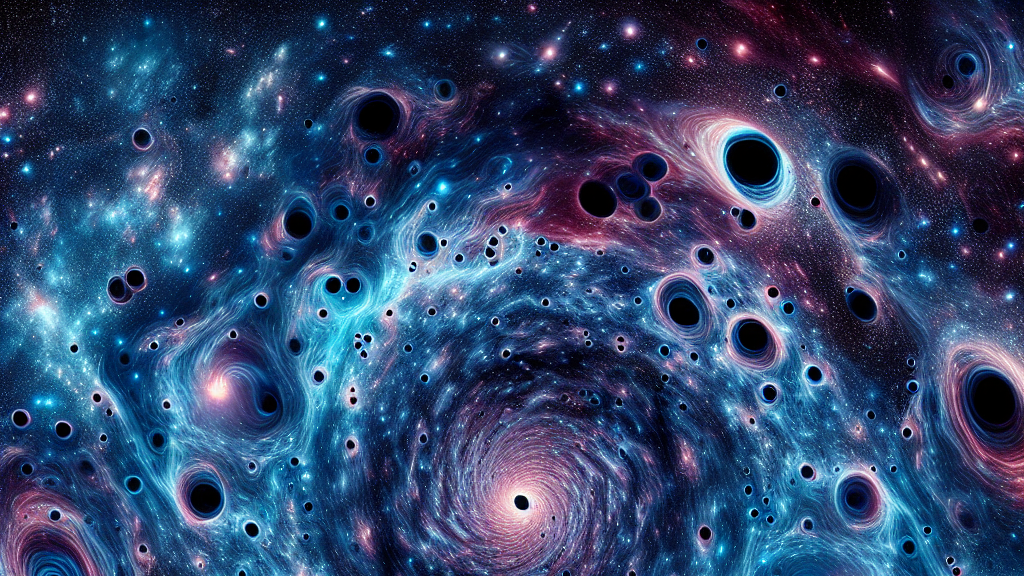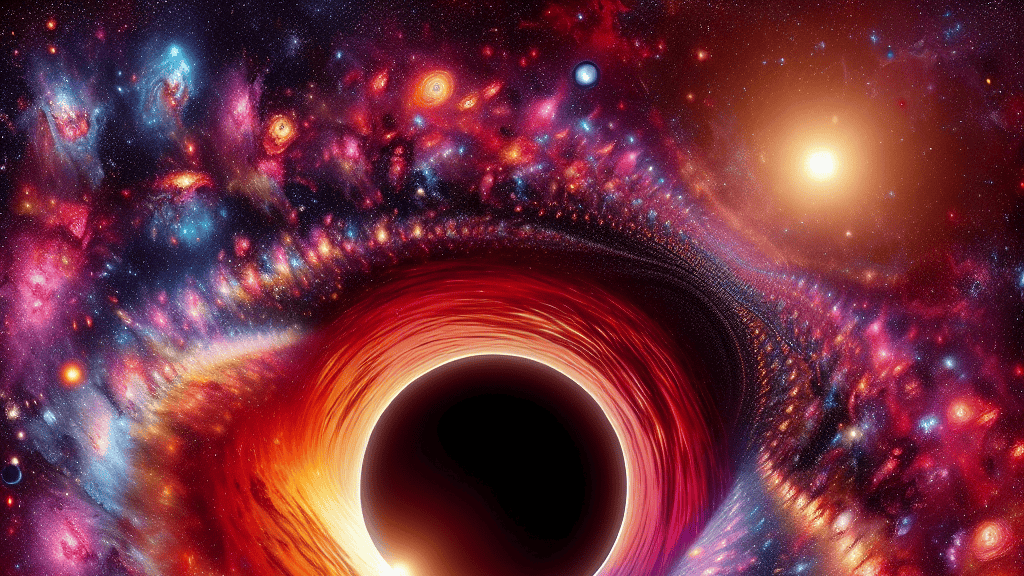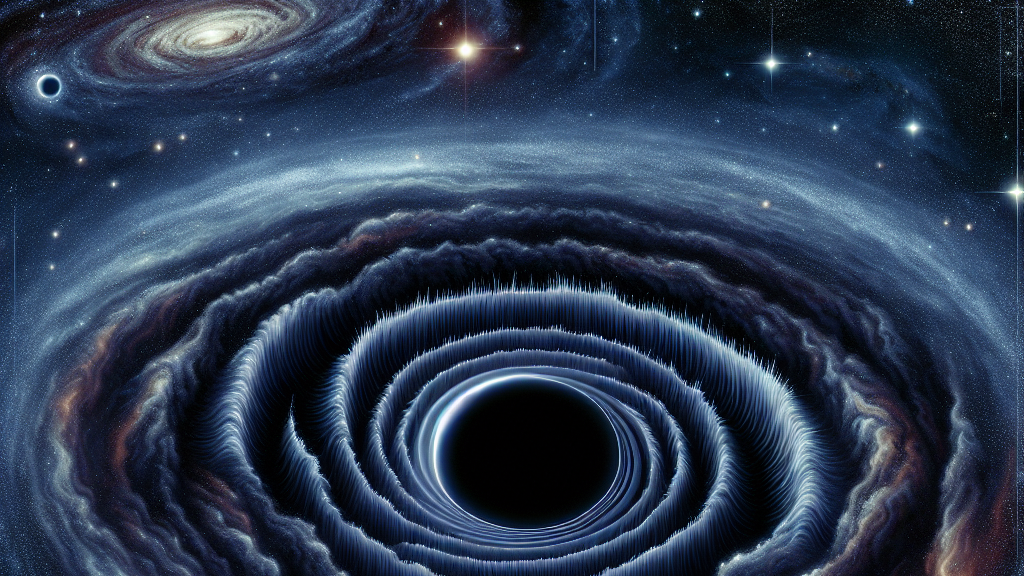
Have you ever stopped to wonder why the universe is filled with more matter than antimatter? This puzzling imbalance, known as baryon asymmetry, has intrigued scientists for ages. Now, a new study suggests that tiny primordial black holes might just be the key to understanding this cosmic mystery. By focusing on black holes with masses ranging from 1 to 1000 grams, researchers are uncovering fascinating insights into how these ancient relics may have played a role in shaping the universe as we know it.
Let’s dive a bit deeper. When primordial black holes, formed moments after the Big Bang, undergo a process known as Hawking evaporation, they release particles. But there’s a twist: the study introduces a concept called
FAQs
Background
History
Based on “Impact of memory-burdened primordial black holes on high-scale leptogenesis” by Roberta Calabrese, Marco Chianese, Ninetta Saviano, available on arXiv (arxiv.org/abs/2501.06298), used under CC BY 4.0 (creativecommons.org/licenses/by/4.0/).