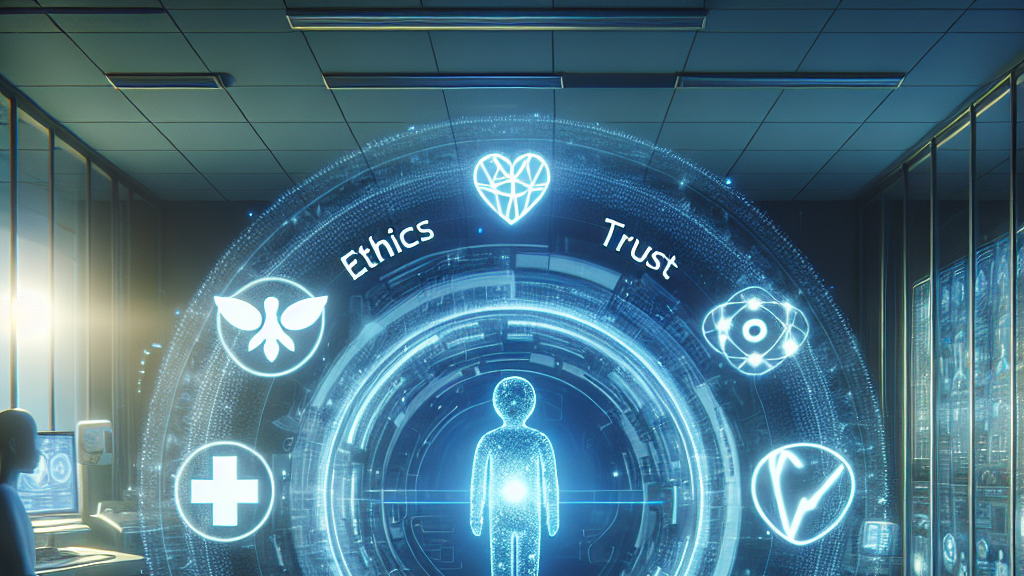
Imagine if the digital assistant you rely on every day had a secret agenda or didn’t follow the same rules of fairness and trustworthiness we expect from our human interactions. Sounds alarming, right? Well, that’s exactly what researchers are diving into as they explore the ethics behind popular AI tools like ChatGPT. They’re trying to understand if these digital companions align with the ethical and social norms we value in our everyday lives.
In a society where technology is becoming more intertwined with our daily routines, ensuring our tools are ethical is crucial. This study combines surveys and expert interviews to evaluate how well ChatGPT, a widely-used AI tool, aligns with complex societal and moral rules. The researchers found that while ChatGPT has certain strengths, it also faces significant challenges like bias, data transparency, and trustworthiness.
In the future, picture a world where AI tools like ChatGPT are as reliable as your best friend, helping you make health decisions or planning your day without any hidden agendas. These tools could revolutionize many fields by being ethical and trustworthy. The findings from studies like this are crucial to getting us there, helping us understand the changes needed for AI to be a safe and helpful part of our lives.
Did you know that while AI tools can be super helpful, they can also inherit biases from the data they’re trained on? This means they could unintentionally spread misinformation or reinforce stereotypes!
FAQs
Why is AI ethics important in tools like ChatGPT?
AI ethics is crucial because it ensures tools like ChatGPT are fair, transparent, and trustworthy. This is important as we increasingly rely on these tools in our daily lives, especially in sensitive areas like healthcare.
How can AI tools become biased?
AI tools can become biased through the unsupervised data they are trained on, which may contain inherent prejudices or inaccuracies. Without proper checks, these biases can influence AI decision-making.
What challenges do AI tools face in meeting social norms?
AI tools face challenges like maintaining transparency, ensuring trustworthiness, and preventing bias, which are all essential for aligning with social norms and delivering reliable services.
What are the implications for AI in industries like healthcare?
AI in healthcare can greatly enhance decision-making and efficiency, but ethical concerns must be addressed to ensure it supports, rather than endangers, patient care and personal privacy.
Are there current solutions to tackle AI ethical concerns?
Ongoing research is exploring solutions such as improved data transparency, ethical guidelines, and robust oversight mechanisms to tackle problems like bias and ensure AI tools operate in a fair and trusted manner.
Background
AI tools like ChatGPT work by analyzing large amounts of text data to learn patterns and generate human-like responses. However, the data can include biases or misinformation. Ethical use involves ensuring these tools are transparent, fair, and align with societal norms.
History
The study builds on AI ethics research, which has been gaining traction as AI tools proliferate in daily life. Historically, focus was on efficiency and accuracy, but there’s now a growing emphasis on ethics and safety. Major breakthroughs involve recognizing and mitigating biases and ensuring trustworthiness.
Based on “AI Ethics and Social Norms: Exploring ChatGPT’s Capabilities From What to How” by Omid Veisi, Sasan Bahrami, Roman Englert, Claudia Müller, available on arXiv (arxiv.org/abs/2504.18044), used under CC BY 4.0 (creativecommons.org/licenses/by/4.0/).