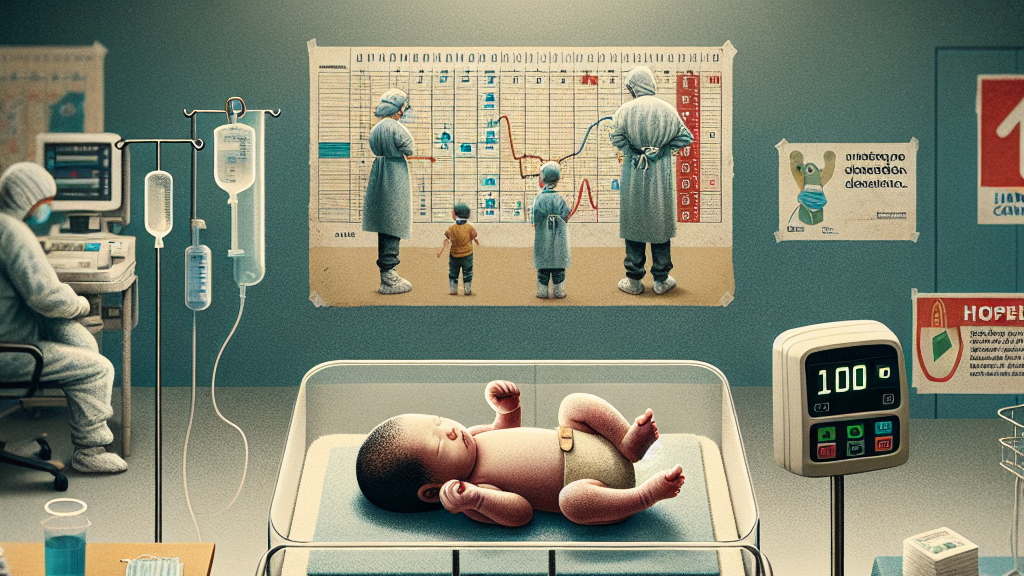
Did you know that the pandemic may have influenced more than just our lifestyles and economy? It turns out that babies born during and after COVID-19 might weigh slightly less than before. That’s right! The weight of newborns has dipped, raising questions about what this could mean for their long-term health.
Researchers looked into hospital data from New York and found that during the pandemic, newborns weighed about 7 grams less than they did before. Surprisingly, in the years following the pandemic, birthweights continued to drop, going down by 17 grams from pre-pandemic levels. This is quite puzzling because you’d think things would return to normal once the pandemic calmed down. Also, mothers giving birth nowadays are facing more health risks, making this an important issue to explore further.
So, what could this mean for us? If birthweights are indeed dropping, it could have implications for infant health, longevity, and overall wellbeing. Imagine if this trend continues; it could lead to wider health challenges as these children grow. It’s crucial to understand whether this is just a reporting anomaly or if there are real changes taking place that need addressing. This research might pave the way for new health guidelines or policies to better support mothers and children in a post-pandemic world.
During the pandemic, birthweights were reported to have decreased by about the same weight as two sheets of paper.
FAQs
How has the pandemic impacted birthweights?
The pandemic appears to have caused a decline in newborn birthweights, with babies weighing on average 7 grams less during the pandemic and 17 grams less in the post-pandemic period compared to pre-pandemic weights.
Why is birthweight important for newborns?
Birthweight is a critical indicator of a newborn’s health and future well-being. Lower birthweights can lead to various health issues such as developmental challenges and increased vulnerability to illnesses.
What are the potential reasons for the decline in birthweights?
Possible reasons could include pandemic-induced stress on mothers, changes in healthcare quality, or differences in reporting by healthcare providers. More research is needed to understand these factors.
Are mothers facing more health risks when giving birth after the pandemic?
Yes, mothers are reported to be at a 27% higher mortality risk and 8% more likely to encounter severe illnesses, highlighting the importance of this research.
What does this research mean for future healthcare policies?
If this declining trend in birthweight continues, it could lead to the development of new health guidelines and policies to better support maternal and infant health in the future.
Background
Birthweight is a crucial indicator of neonatal health, often used to predict immediate and long-term health outcomes for infants. It reflects the conditions of fetal development and maternal health during pregnancy. A decline in birthweight could signal underlying issues such as maternal stress, inadequate prenatal care, or changes in healthcare practices. The COVID-19 pandemic, with its broad impacts on healthcare systems and stress levels, provides a unique context to study these changes.
History
Birthweight has long been studied as an essential parameter of newborn health. Historically, it has been used to assess the well-being of infants and predict future health challenges. Past pandemics and global health events have occasionally shown that societal stressors can impact birthweights, but the exact mechanisms often remain unclear. The COVID-19 pandemic provides a significant event to examine these patterns in a modern context, building on earlier research that has linked public health crises to changes in birth outcomes.
Based on “Birthweight Declined During the Pandemic and It Is Falling Further Post-pandemic” by Maysam Rabbani, Elijah Gervais, available on arXiv (arxiv.org/abs/2505.14735), used under CC BY 4.0 (creativecommons.org/licenses/by/4.0/).