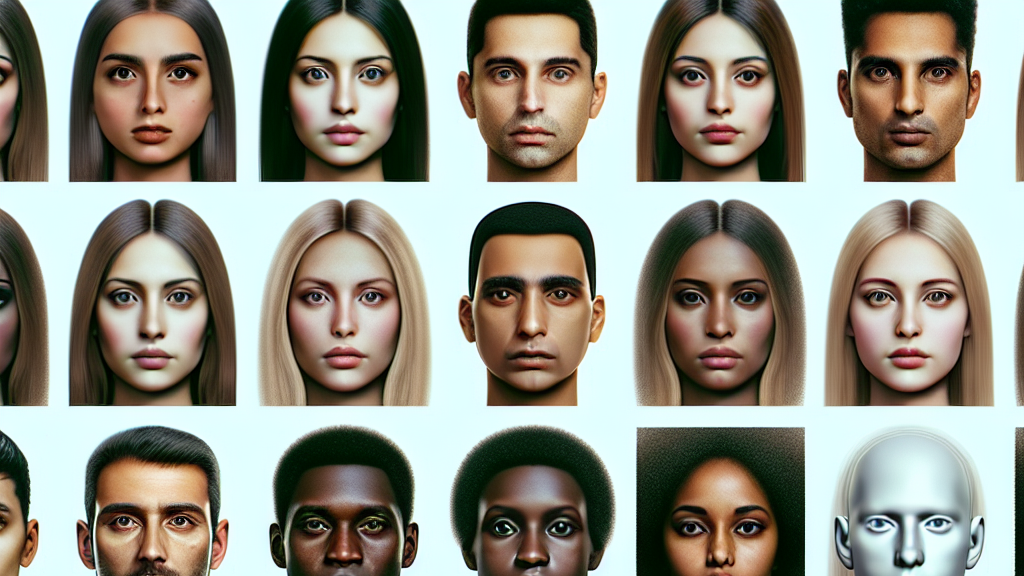
Imagine a world where computers could guess your gender just by looking at your picture. Sounds cool, right? But here’s the catch: current systems often mix up gender with physical traits, leading to mistakes, especially for those who don’t fit into typical male or female categories. This can be a huge deal for many people by not respecting their true identity.
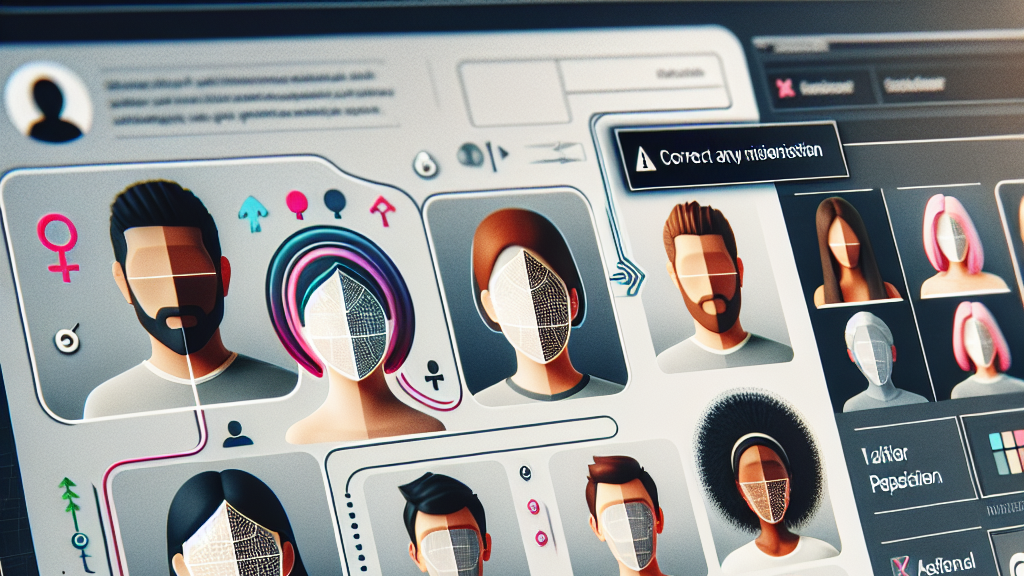
Researchers are calling for a change in how these systems work. They believe that automatic gender recognition tools should not just rely on physical features to determine gender. Instead, they propose incorporating a way for people to give feedback and correct any mistakes the system makes. This might sound like a step back from perfect automation, but it’s actually about making these systems fairer and more respectful to everyone.
Imagine filling out a form that asks you to pick your gender, but this time, if the computer messes up, you can tell it—it’s kind of like teaching a friend what name you like to be called. This new approach could make tech not just smarter, but also kinder and more aligned with human values of respect and self-expression.
Did you know? Current gender recognition tech can mix up gender about as often as a human in a pitch-black room!
FAQs
Why is automatic gender recognition often inaccurate?
Automatic gender recognition systems can often be inaccurate because they typically classify gender based on observable features that do not always align with a person’s true gender identity, especially for non-binary and gender non-conforming people.
What alternative do researchers suggest for improving gender recognition systems?
Researchers suggest adding a feedback mechanism to gender recognition systems, allowing users to correct any mistakes. This approach aims to increase fairness and respect individuals’ rights to self-expression and identity.
How could these changes to gender recognition systems impact users?
These changes could ensure that gender recognition systems are more inclusive and respectful, giving users the power to correct misidentifications and thus support their true identities.
Background
Human gender identity is complex and can’t be fully captured by what we see. Traditional AGR systems, however, often judge gender based on physical traits, which can lead to inaccuracies especially for those who don’t conform to typical gender divisions. This complexity requires a sensitive approach that respects individual identity.
History
The idea of machines recognizing gender has roots in early artificial intelligence developments. Initially, these systems aimed to sort data into basic categories, including gender. Over time, as issues about gender identity and expression gained public awareness, the limitations and insensitivity of these systems became clear, leading to calls for more nuanced and user-inclusive approaches.
Based on “Fairness through Feedback: Addressing Algorithmic Misgendering in Automatic Gender Recognition” by Camilla Quaresmini, Giacomo Zanotti, available on arXiv (arxiv.org/abs/2506.02017), used under CC BY 4.0 (creativecommons.org/licenses/by/4.0/).