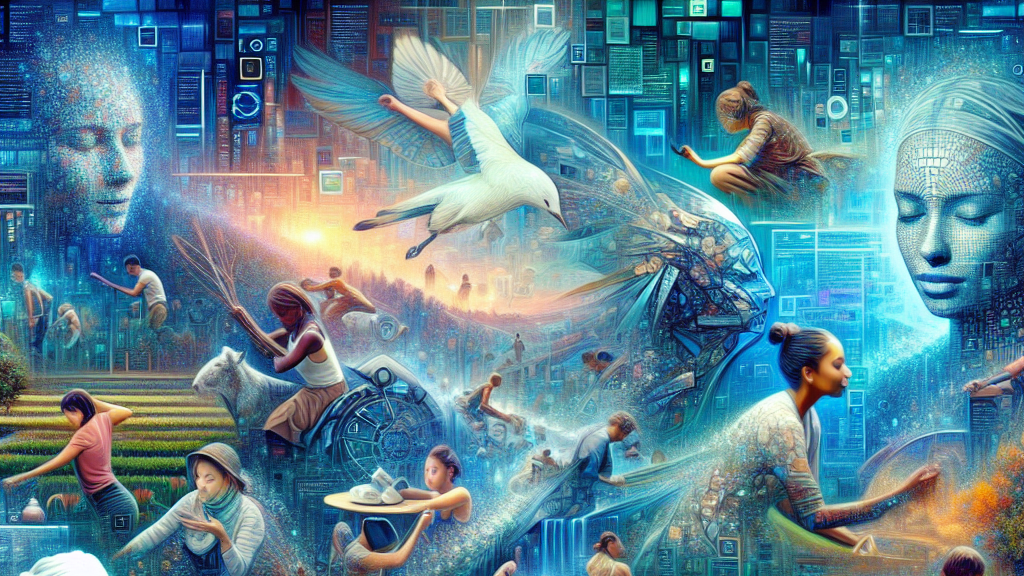
Imagine creating a picture just by describing it in words. Sounds amazing, right? That’s exactly what text-to-image AI models do; they can generate incredibly realistic images from a simple text prompt. But here’s the twist: these models might also be sneaky carriers of biases, reflecting harmful stereotypes found in society.
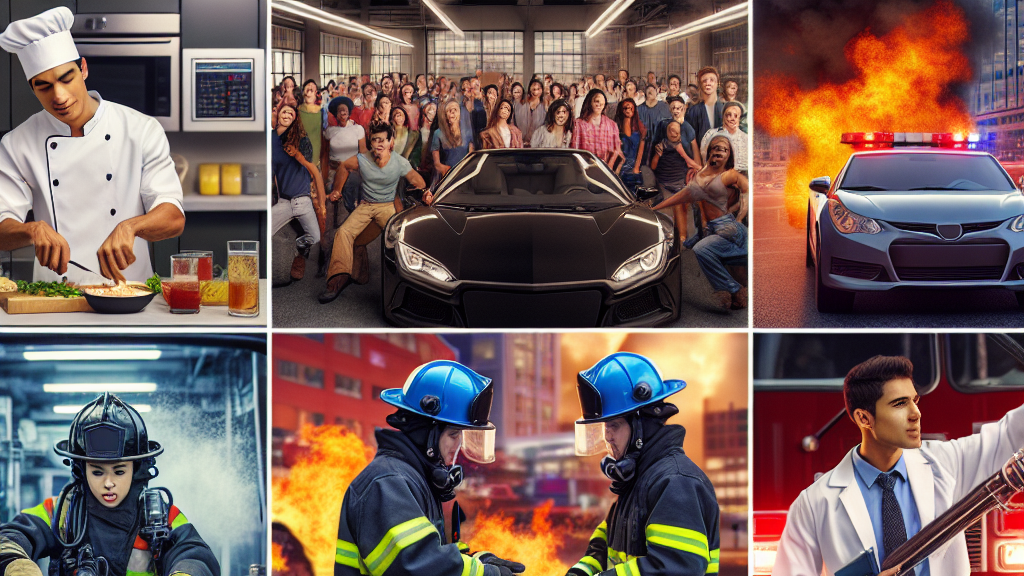
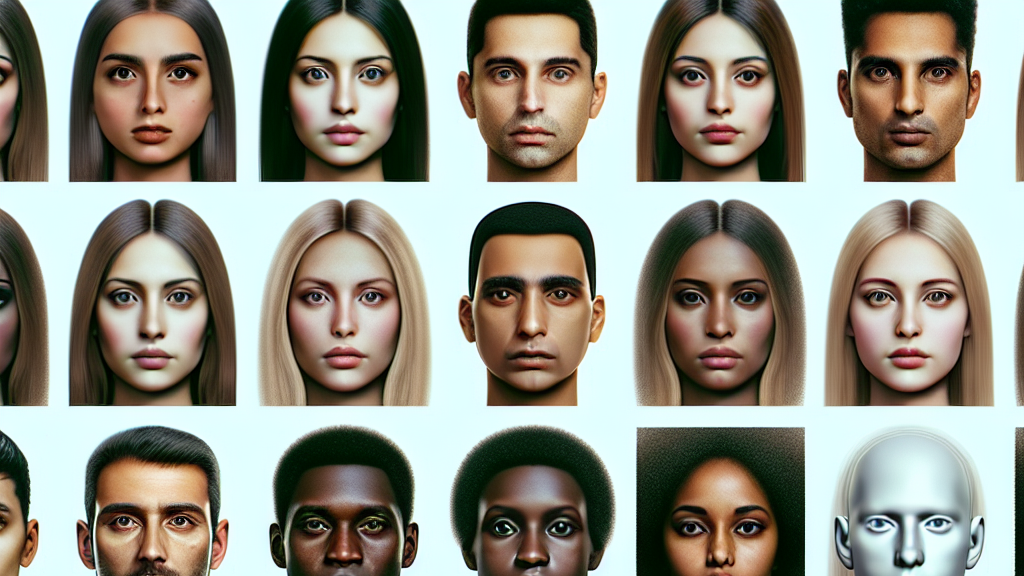
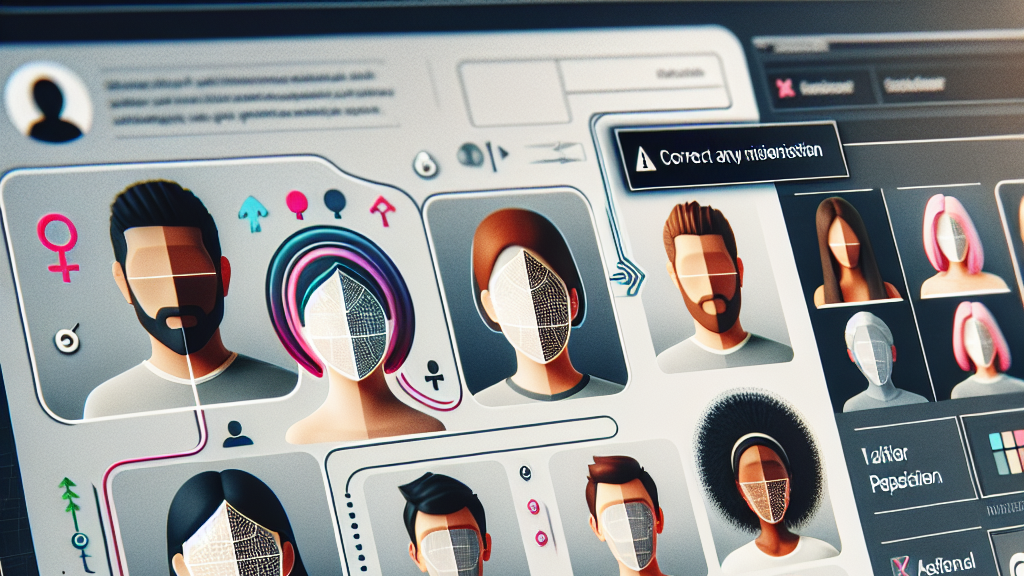
Researchers have taken a deep dive into this problem by feeding these AI systems with a wide array of prompts—everything from job roles to emotions and even family dynamics. They generated over 16,000 images using AI models, comparing them with thousands of images from Google. The results revealed troubling patterns: biases in gender, race, and age were all too common, mirroring societal prejudices.
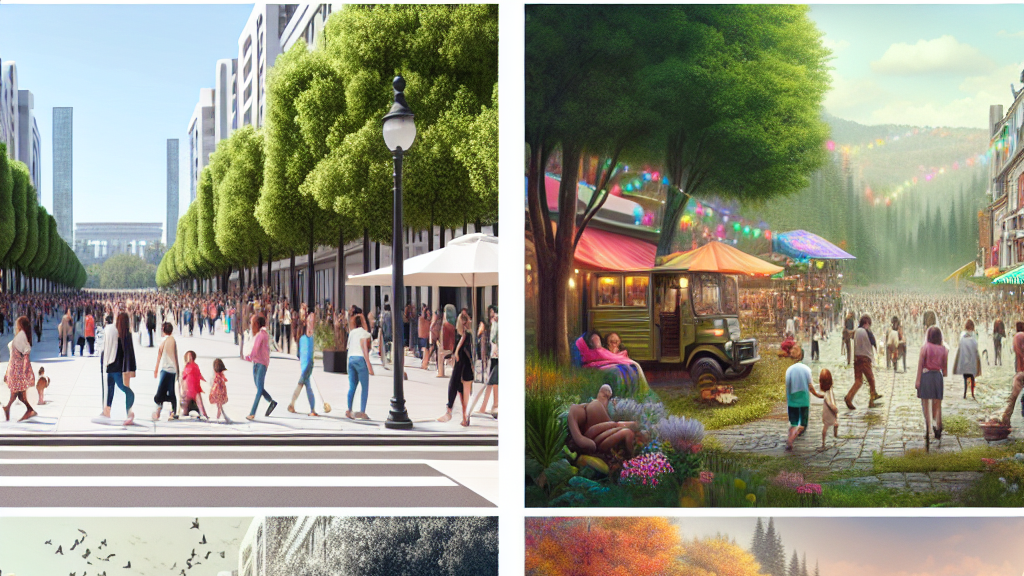
So, how do we fix it? The key lies in creating more inclusive datasets that cover all walks of life, ensuring everyone’s story is told fairly. Imagine AI art galleries that reflect the true diversity of our world, showcasing people of all backgrounds equally. With more mindful development, AI could become a powerful tool for fairness and inclusivity in digital art creation.
Did you know that AI models can inadvertently reproduce biases found in society, even when generating art?
FAQs
What are text-to-image AI models and how do they work?
Text-to-image AI models are systems that create images based on written descriptions. They work by understanding the text input and generating a visual representation, often using complex algorithms and vast datasets to mimic human creativity.
How do AI-generated images reflect societal biases?
AI-generated images can reflect societal biases because they are trained on datasets that may contain biased information. If the training data includes stereotypical representations, the AI is likely to produce similar biased outputs, reinforcing existing prejudices.
Why is it important to address biases in AI-generated images?
Addressing biases in AI-generated images is crucial for promoting equality and fairness. As AI continues to influence media and art, ensuring that its outputs represent diverse and accurate depictions of people can help combat stereotypes and create more inclusive digital spaces.
What measures can help reduce biases in AI models?
Creating more inclusive datasets that cover a wide range of representations in terms of gender, race, age, and other factors can help reduce biases. Additionally, implementing fairness guidelines during AI model development can lead to more equitable outcomes.
Could AI eventually create unbiased images?
While it is challenging to completely eliminate biases, with continuous refinement of datasets and development practices, AI has the potential to create more balanced and fair representations in the future.
Background
Text-to-image models leverage vast datasets and complex algorithms to convert written prompts into visual imagery. These algorithms are trained on existing data, which often includes human-generated content. As a result, the AI’s output can mirror the biases present in that content, unless steps are taken to mitigate these effects.
History
The development of text-to-image technology has evolved alongside advancements in machine learning and image processing. Early AI models focused on basic image recognition, but as technology advanced, the ability to generate high-quality images from text became possible. However, as with many AI systems, the potential for bias has become a significant focus in recent years, prompting researchers to explore ways to improve fairness and representation.
Based on “Hidden Bias in the Machine: Stereotypes in Text-to-Image Models” by Sedat Porikli, Vedat Porikli, available on arXiv (arxiv.org/abs/2506.13780), used under CC BY 4.0 (creativecommons.org/licenses/by/4.0/).