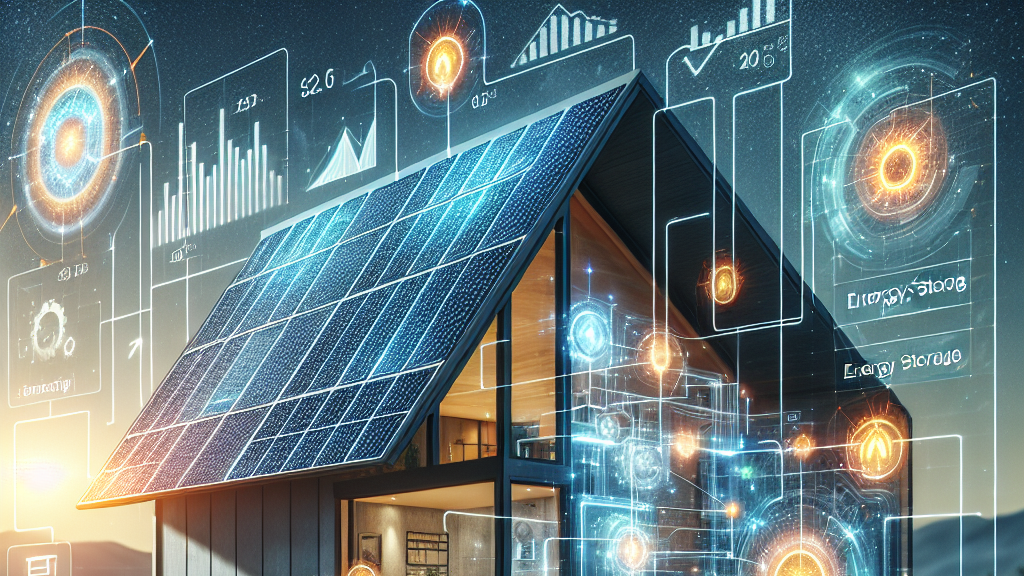
In an era where energy bills are a significant expense for many, wouldn’t it be a game-changer if your energy storage system could not only store power but also predict the best moments to use it to save money? This research explores just that by finding the perfect planning strategy for these futuristic energy setups, ensuring that the system can work at its best all the time and help you reduce costs.
Energy storage systems are like giant batteries storing energy for when you need it most. But to work efficiently, they need to be programmed smartly to know when to store energy and when to release it. Imagine the system analyzing energy prices and consumption patterns continuously, making decisions on the fly to ensure you’re always getting the most bang for your buck. The research focuses on creating a condition that ensures your energy storage system is making the optimal choice every time, at the lowest possible cost to you.
With this new method, your home energy system could potentially predict and respond to changes in electricity prices, ensuring that you store energy when it’s cheap and use it when it’s expensive. This isn’t just theoretical; imagine your future home as a smart, money-saving companion, optimally managing energy flow, reducing bills and making the most of renewable sources like solar or wind. The possibilities for both personal savings and environmental benefits are huge!
Did you know? The length of a planning horizon can directly impact how efficiently your energy storage device saves you money!
FAQs
What are energy storage scheduling problems?
Energy storage scheduling problems involve determining the best times to store and use energy from a storage system to maximize profit and efficiency in response to changing electricity prices.
Why is determining a forecast horizon important for energy storage?
A forecast horizon is important because it defines the optimal length of time over which energy storage systems should be planned. This ensures decisions are made with enough future insight to optimize energy usage and cost savings.
How does this research improve energy storage efficiency?
This research introduces a method to identify the optimal forecast horizon that ensures energy storage systems make the best decisions, resulting in reduced costs and increased efficiency for users.
Could this research affect my energy bills?
Yes, by optimizing the way energy storage systems are scheduled and managed, this research could help reduce your energy bills by making better use of stored energy based on price fluctuations.
Is the existence of forecast horizons guaranteed?
No, the research shows that forecast horizons aren’t always guaranteed, but provides a method to identify them when they do exist, ensuring optimal storage scheduling.
Background
Energy storage systems are devices that store energy for later use. How effectively they work depends on their ability to predict when to best store and release energy based on price signals. This aligns with financial goals, such as saving money by using energy during peak price periods and storing it when prices are low. The term ‘forecast horizon’ refers to the optimal timeframe over which these decisions should be planned.
History
The concept of optimizing energy storage isn’t new; it has evolved from simple energy-saving methods to complex systems that now include forecasting and real-time analysis. Previous research focused on static timeframes, but this study takes it further by introducing dynamic, condition-based forecasting, significantly improving the practicality and efficiency of energy management.
Based on “How long is long enough? Finite-horizon approximation of energy storage scheduling problems” by Eléa Prat, Richard M. Lusby, Juan Miguel Morales, Salvador Pineda, Pierre Pinson, available on arXiv (arxiv.org/abs/2411.17463), used under CC BY 4.0 (creativecommons.org/licenses/by/4.0/).