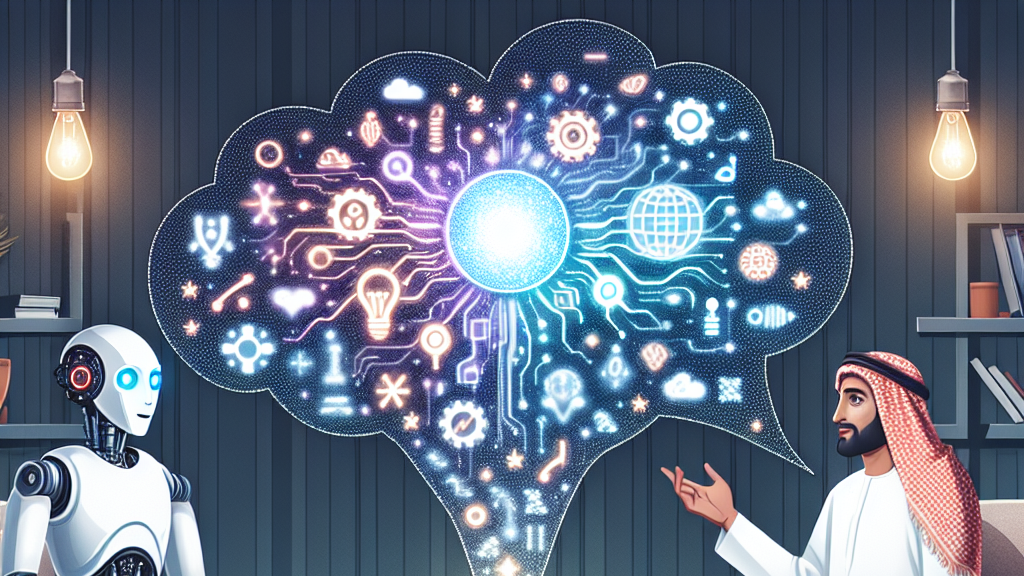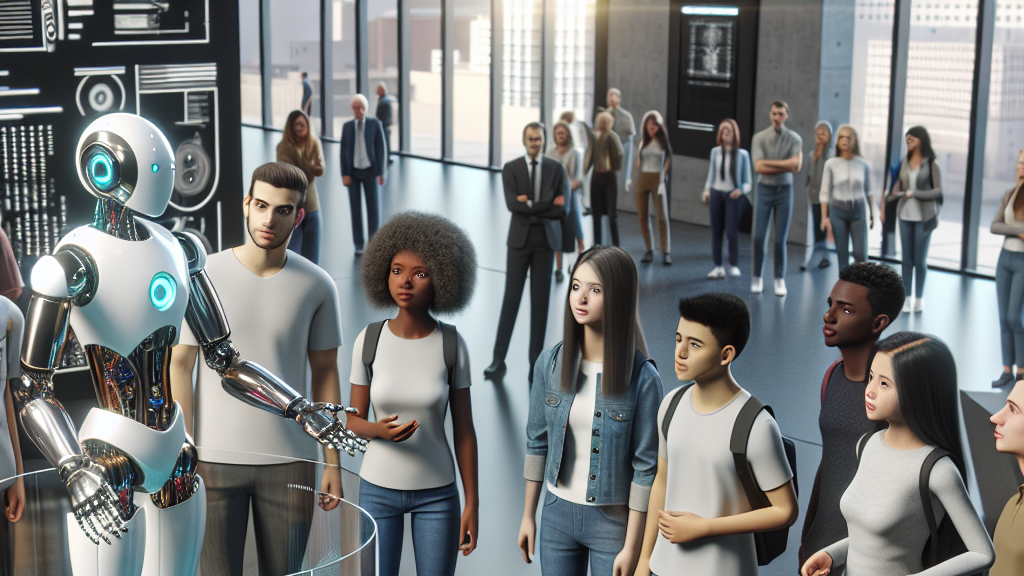
Ever wondered if robots could truly become our friends? With today’s smart technology, researchers have developed a unique way to study how we interact with robots and virtual agents, especially in public places like museums. Imagine walking into a museum and having a robot guide or enhance your visit in a meaningful way. This isn’t science fiction anymore!
Using a blend of scientific theories like proxemics (which is about personal space) and how we form bonds, researchers have combined people’s self-reports and spatial tracking to understand these interactions. By studying 187 participants in a museum setting with both a robot and a virtual buddy, this research sheds light on the challenges and potential of aligning human behavior and perception with machine interaction. The goal is to make our interactions with these intelligent machines as natural as possible.
So, how could this affect our lives? Imagine visiting museums where robots help guide tours, making learning interactive and personal. Or owning a robot that feels more like a helpful friend rather than just a machine. As we develop tools to better understand these dynamics, the potential for creating technology that genuinely fits into our social fabric is enormous.
Did you know that the study of personal space, or proxemics, was only coined in the 1960s? Yet, it’s crucial for designing social robots today!
FAQs
How do robots and humans interact in a museum setting?
Robots in museums can interact with visitors by providing tours, answering questions, or even engaging in interactive exhibits, enhancing the visitor’s learning experience.
What is the significance of using proxemics in studying interactions with robots?
Proxemics, the study of personal space, is crucial in designing robots that can interact comfortably and naturally with humans, making these interactions more effective and pleasant.
What challenges do researchers face when aligning human behavior with robot interactions?
One key challenge is understanding and predicting human perceptions and behaviors to ensure that robots can respond appropriately in real time, making the interaction seamless and comfortable for users.
Background
Proxemics is the study of how humans use space in interactions, important for understanding personal space preferences. Bonding theories explore how relationships form and evolve, applicable to human-agent interaction. This research combines these concepts to evaluate real-world interactions with socially interactive agents like robots and virtual assistants.
History
The study of human-robot interaction has evolved from basic automation, focusing on practical tasks, to more sophisticated interactions where robots serve as companions or guides. Initial studies were in simulation labs, but there’s a growing need for real-world studies to better understand how humans naturally interact with intelligent machines in everyday settings.
Based on “The Space Between Us: A Methodological Framework for Researching Bonding and Proxemics in Situated Group-Agent Interactions” by Ana Müller, Anja Richert, available on arXiv (arxiv.org/abs/2506.11829), used under CC BY 4.0 (creativecommons.org/licenses/by/4.0/).