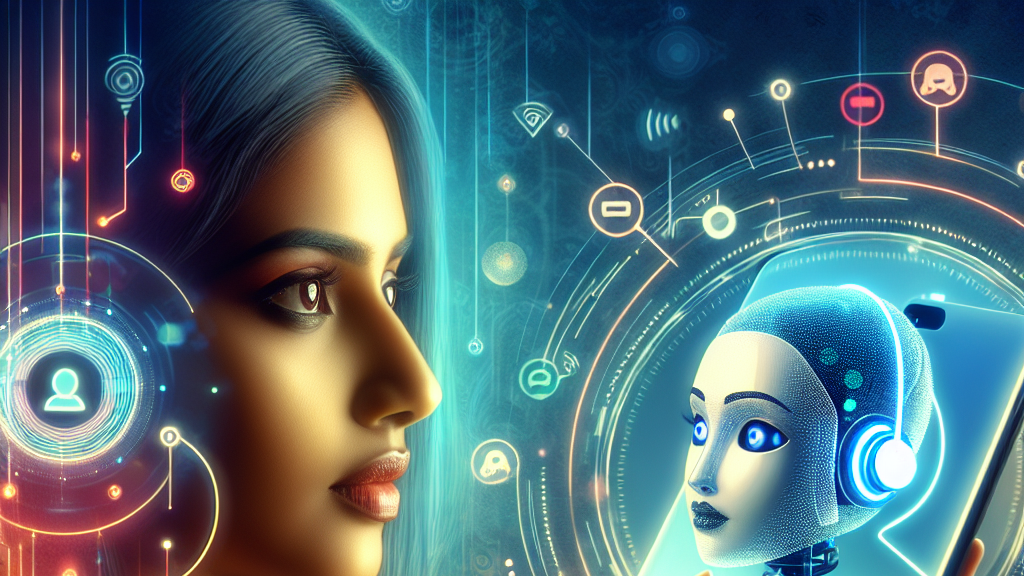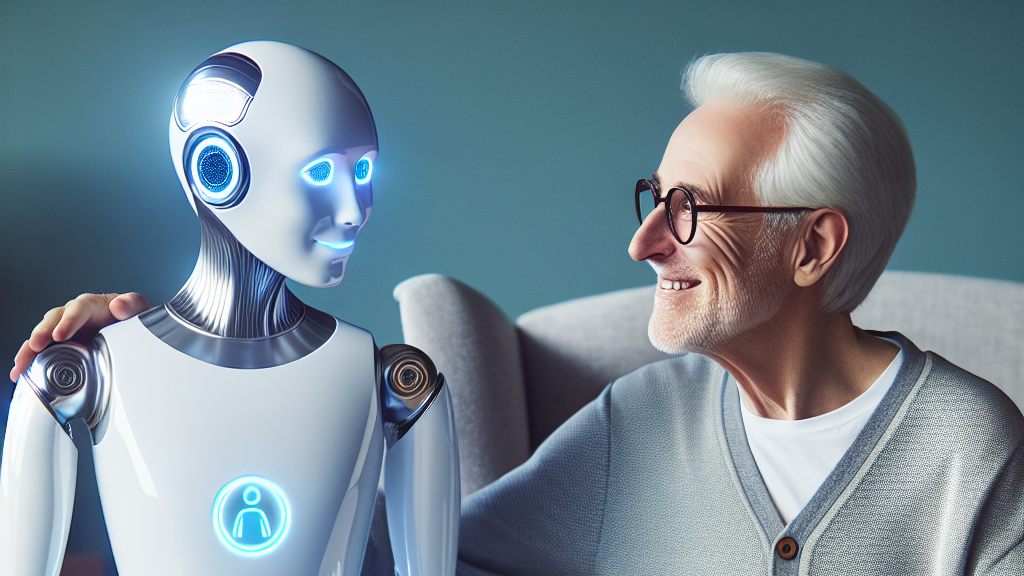
Imagine a world where your therapist isn’t a person, but an AI that understands and responds to your emotions. This isn’t some distant future; it’s happening right now. Emotional AI is being integrated into education, healthcare, and our digital lives, promising to make us happier and more connected. But what happens when machines start understanding—or rather, simulating—our feelings? The potential benefits are huge, like enhancing mental well-being and reducing loneliness. However, there are risks too: emotional manipulation, over-reliance, and cultural bias are serious concerns.
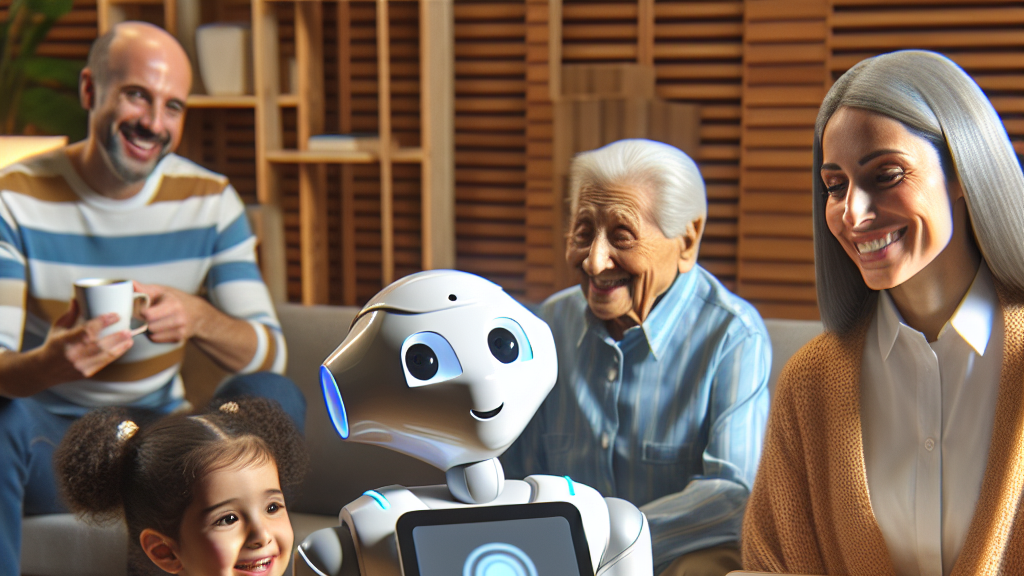
So, what’s the deal with this emotionally responsive AI? It’s about creating systems that can interpret or mimic human emotions, acting as caregivers, friends, or even mentors. Think of an AI that helps kids learn by responding to their frustrations or one that supports elderly people by understanding their emotional needs. The research combines the insights of young scientists from various fields, offering a nuanced look at how these systems could benefit or harm society. For instance, while AI can boost learning, it can also impose societal norms that may not suit everyone.
What does the future hold for emotional AI? One possibility is using it in mental healthcare to provide emotional support or even therapy, especially for those without access to traditional services. But the key will be in balancing opportunities with ethical guidelines, ensuring these systems don’t overstep boundaries or misrepresent emotions. This research points to the need for transparency, regional adjustments, and human oversight to safely navigate the emotional landscapes these technologies create.
Did you know? AI systems are being developed to reduce loneliness by simulating empathy and companionship!
FAQs
How is emotional AI changing our daily interactions?
Emotional AI systems interpret or simulate human emotions, affecting areas like education and healthcare. These systems aim to enhance mental well-being and reduce loneliness, but they also raise concerns about emotional manipulation and cultural bias.
What are the ethical implications of emotional AI?
The ethical implications include the risk of emotional manipulation, over-reliance on AI, and encoding cultural biases, which can lead to misrepresentation and inequality. It’s crucial to establish ethical guidelines and safeguards for these technologies.
Why is emotional AI particularly relevant for vulnerable populations?
Emotional AI is significant for vulnerable groups, such as children, the elderly, and those with mental health challenges, who may interact with AI in emotionally meaningful ways. However, there is a lack of legal and cognitive protections to ensure safe engagement.
Can AI truly understand human emotions?
While AI can simulate empathy and recognize emotional cues, it lacks genuine understanding. This poses challenges in ensuring these technologies don’t overstep their boundaries or misrepresent users’ needs.
What are the recommendations for developing ethical emotional AI?
The research suggests transparency, certification frameworks, and human oversight, along with region-specific fine-tuning and longitudinal studies, to ensure ethical development and usage of emotional AI systems.
Background
Emotional AI involves creating systems that can detect, interpret, and respond to human emotions. This requires sophisticated algorithms capable of analyzing speech, facial expressions, and other non-verbal cues to simulate empathy and engagement. The field is part of artificial intelligence and overlaps with areas like machine learning and human-computer interaction.
History
The concept of machines understanding emotions can be traced back to early artificial intelligence research. As machine learning techniques advanced, so did the capability to analyze and respond to human emotional cues. This has evolved into emotionally responsive AI today, drawing attention from multiple disciplines and raising societal and ethical questions.
Based on “Feeling Machines: Ethics, Culture, and the Rise of Emotional AI” by Vivek Chavan, Arsen Cenaj, Shuyuan Shen, Ariane Bar, Srishti Binwani, Tommaso Del Becaro, Marius Funk, Lynn Greschner, Roberto Hung, Stina Klein, Romina Kleiner, Stefanie Krause, Sylwia Olbrych, Vishvapalsinhji Parmar, Jaleh Sarafraz, Daria Soroko, Daksitha Withanage Don, Chang Zhou, Hoang Thuy Duong Vu, Parastoo Semnani, Daniel Weinhardt, Elisabeth Andre, Jörg Krüger, Xavier Fresquet, available on arXiv (arxiv.org/abs/2506.12437), used under CC BY 4.0 (creativecommons.org/licenses/by/4.0/).