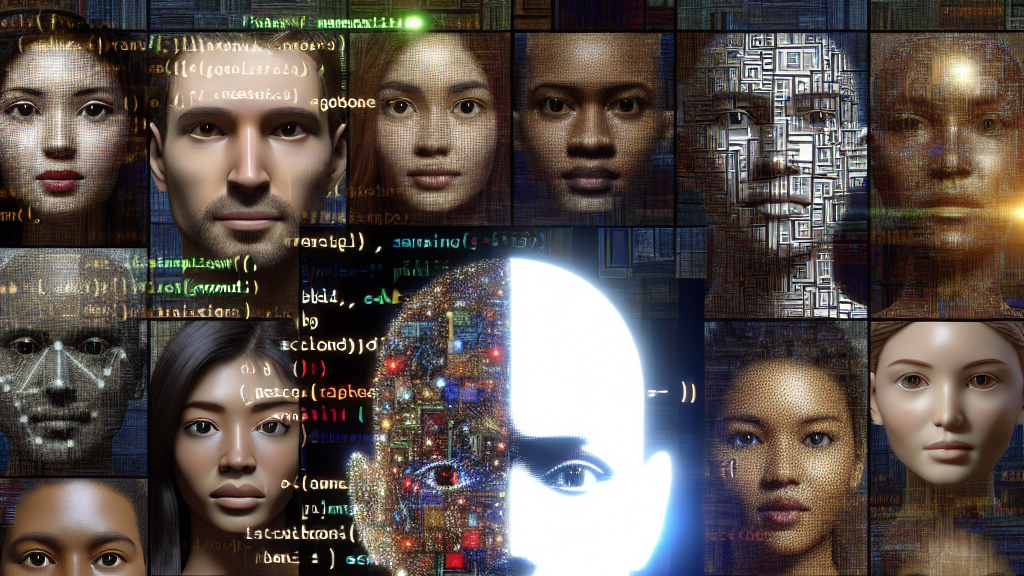
Imagine your face being judged by a machine and being unfairly categorized just because of how you look. That’s the reality that AI tools today are creating. These systems tend to favor certain appearances, associating looks with unrelated qualities like intelligence or trust. It’s like being in high school, but the popular kids aren’t even human—they’re digital avatars.
In a recent study using synthetic faces, researchers found that AI tools systematically favored certain looks, linking them to positive traits. This isn’t just a tech issue; it’s a fairness issue. Particularly troubling is that gender classification models struggle more with faces deemed ‘less attractive,’ especially non-White women. So, the next time a machine evaluates your face, remember it’s working off a biased playbook.
So why should you care? Picture a future where your digital ID is denied because an algorithm misjudges you simply based on looks. This research highlights the urgent need to fix these biases for a fairer digital world. It’s about ensuring everyone gets an equal shot, regardless of their appearance, in our ever-more digital lives.
Did you know? Algorithms might decide you’re less trustworthy just because of your face shape!
FAQs
What is algorithmic lookism in AI face recognition?
Algorithmic lookism refers to AI systems making judgments based on appearance, often linking facial attractiveness to unrelated traits like intelligence, affecting fairness in digital identity systems.
How do text-to-image systems show bias in facial perception?
Text-to-image systems often associate facial attractiveness with positive traits such as intelligence and trustworthiness, highlighting a bias toward certain appearances.
Why do gender classification models struggle with ‘less-attractive’ faces?
These models have higher error rates with faces deemed ‘less attractive,’ especially affecting non-White women, showcasing a bias that affects accurate gender identification.
How might this research affect everyday digital interactions?
This research could impact how digital identities and security systems evaluate personal data, highlighting the need for fairer algorithms to ensure equal digital treatment for all.
What can be done to combat bias in AI-generated faces?
Improving diversity and transparency in AI training datasets and methodologies is critical to reducing bias and ensuring fairness in AI-generated face evaluations.
Background
When machines learn from data, they’re looking at patterns. But if the data itself has biases, the machine will learn those too, like assuming beauty equals smartness. Such misjudgments are misleading and can lead to unfair treatment in systems that use this technology, like digital IDs or security checks.
History
The evolution of AI facial recognition began with basic face detection in images and advanced to complex gender classification and expression analysis. Recently, there’s been significant concern about bias, especially with synthetic or AI-generated faces, where biases can be encoded in the data. This study adds to the ongoing conversation about fairness in AI by revealing inherent biases in synthetically generated faces.
Based on “When Algorithms Play Favorites: Lookism in the Generation and Perception of Faces” by Miriam Doh, Aditya Gulati, Matei Mancas, Nuria Oliver, available on arXiv (arxiv.org/abs/2506.11025), used under CC BY 4.0 (creativecommons.org/licenses/by/4.0/).