Imagine having the power to dream up any object, like a superhero action figure or a custom phone case, and make it real in a snap. That’s the magic people hope to get from using AI to create things. But there’s a catch—turning digital dreams into real, physical objects isn’t as easy as clicking ‘print’. It takes thoughtful planning and special tools to bring these creations to life.
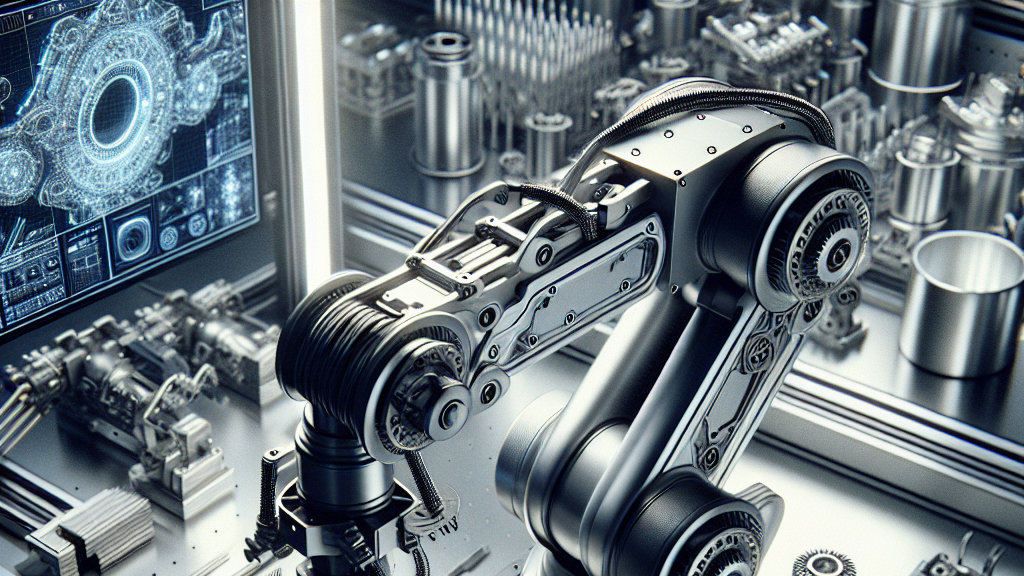
This research dives into the nitty-gritty of how we can better use AI to make real stuff. One of the exciting new ideas in the study involves using robots to put things together, almost like building with high-tech LEGO. They are looking at how different fabrication methods, like 3D printing and robotics, can match up with the cool designs that AI can imagine. But it’s not just about building; the research considers important things like how long it takes, how sustainable it is, and whether everyone can join in the fun.
In the future, imagine designing your home decor or a toy for your niece right from your computer and having it built by a friendly robot. This research is building the pathway to that future by figuring out the best ways to bring AI’s virtual creations into the real world, making creative dreams more accessible to everyone, not just tech-savvy folks.
Did you know? AI can whip up a 3D model of a coffee cup in less time than it takes to brew a pot of coffee!
FAQs
What makes creating real objects from AI designs challenging?
While AI can rapidly generate detailed 3D models, turning these into physical objects is tough because it requires high-tech tools, time, and resources that adapt to each unique design.
How can making 3D objects from AI models become more inclusive?
By developing accessible fabrication methods, like affordable 3D printers or robotic assembly kits, more people could participate in creating physical objects from AI designs without needing expensive equipment.
Why is sustainability a concern in the AI to real-world process?
Creating numerous physical objects from AI-generated designs can use up a lot of materials and energy, making it important to consider resource-efficient and environmentally friendly methods.
Background
Generative AI is a kind of artificial intelligence that can create new things, like art or models, from a simple description or an image. The 3D printing process then turns these digital models into tangible objects, layer by layer, using materials like plastic or metal. Robotics can assist in assembling or manipulating parts, offering new ways to create complex structures from these AI-generated designs.
History
Generative AI has been used to make art, music, and even write stories by learning patterns from vast amounts of data. 3D printing emerged as a revolutionary technology that creates objects directly from computer files. Combining these technologies is the next step, but the challenge lies in adapting our physical world tools and methods to handle the extraordinary flexibility of AI-generated designs.
Based on “Making Physical Objects with Generative AI and Robotic Assembly: Considering Fabrication Constraints, Sustainability, Time, Functionality, and Accessibility” by Alexander Htet Kyaw, Se Hwan Jeon, Miana Smith, Neil Gershenfeld, available on arXiv (arxiv.org/abs/2504.19131), used under CC BY 4.0 (creativecommons.org/licenses/by/4.0/).