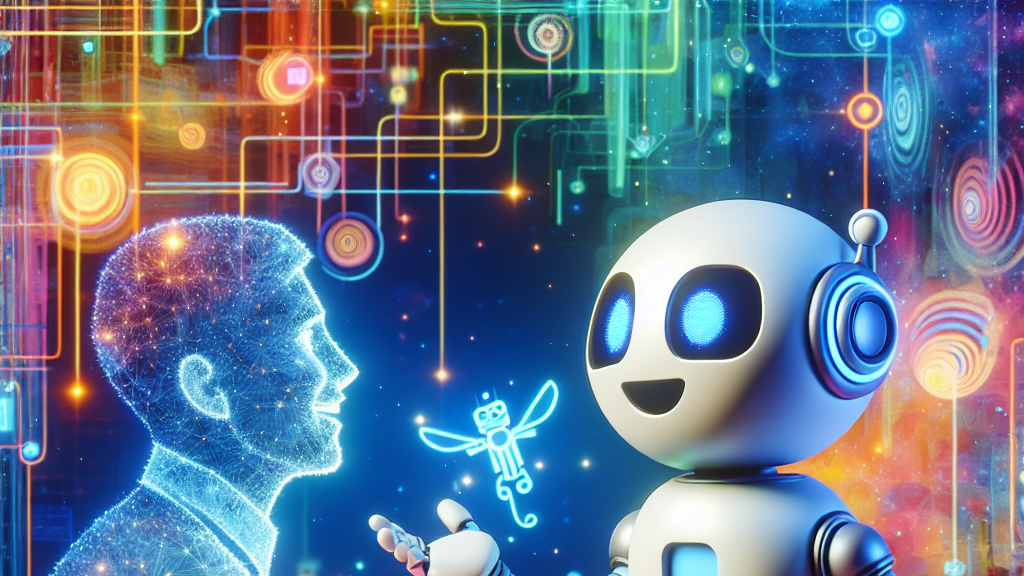
Imagine a world where computers can tell stories just like your best friend during a game night. Recent research has explored how Artificial Intelligence, specifically massive computer programs known as Large Language Models, interact in storytelling settings like role-playing games. These games usually rely on players taking on characters and spinning immersive tales together. This study takes a deep dive into understanding if AI’s storytelling is more about sounding like real-time chats, written books, or something entirely unique on its own.
In this research, scientists set out to see how AI performs when asked to create narratives in a role-playing game without human help. By analyzing the language – the words and sentence structures – generated by these AI systems, researchers could identify distinct patterns that were neither exactly like human conversations nor the polished prose of books. It revealed that the AI’s storytelling was influenced significantly by its training data, shaping a new narrative style that stands apart.
This might sound like something out of a sci-fi movie, but these findings could lead to more engaging and personalized virtual interactions in games and educational tools. Picture playing an adventure game governed by AI capable of tailoring the story to your choices, or learning history through interactive dialogues that feel as rich and dynamic as a conversation with your favorite history teacher or fantasy author.
Role-playing games date back to the 1970s, but today’s AI-driven narratives offer players an entirely unique digital storytelling partner.
FAQs
What is the main focus of this research on AI in role-playing games?
This study investigates how large AI language models create narratives, focusing on whether they mimic human conversation, written text, or something different.
How does AI-generated storytelling differ from human-generated role-playing game narratives?
AI-generated storytelling showcases a distinct pattern not seen in typical human conversations or written content, influenced by how the AI has been trained to process language.
Can AI ever replicate the storytelling depth of human role-playing game sessions?
While AI can create unique and complex narratives, it lacks the emotional and intuitive connections humans offer, making the storytelling distinctly unique but not a perfect replication of human interaction.
How could AI-driven narratives impact the future of gaming?
With continuous advancements, AI-driven narratives can offer more personalized and dynamic gaming experiences, allowing players to engage with stories that adapt to their choices and preferences.
Why study AI’s role in storytelling and gameplay?
Understanding AI’s narrative capabilities can improve interactive storytelling mediums, enhancing entertainment, educational tools, and even therapy methods through more engaging and personalized virtual interactions.
Background
In role-playing games, players take on fictional characters and create stories through their interactions. The study aims to explore if AI, specifically large language models, can generate narratives in these environments, and how its language bears resemblance to either human speech or more structured text like books.
History
Role-playing games emerged in the 1970s, evolving from simple tabletop activities to complex computer games. Over recent years, artificial intelligence, particularly large language models, has expanded its capability to understand and produce human-like text, offering new possibilities in automated storytelling.
Based on “Collaborative Storytelling and LLM: A Linguistic Analysis of Automatically-Generated Role-Playing Game Sessions” by Alessandro Maisto, available on arXiv (arxiv.org/abs/2503.20623), used under CC BY 4.0 (creativecommons.org/licenses/by/4.0/).