Connect with us

Search by keyword

Computers

Can We Make Gender Recognition Fair?

This research dives into how tech systems often fumble with gender recognition and proposes giving users a say in correcting these errors for better fairness. It’s about making tech more understanding and respectful of individual identities.

Can We Make Gender Recognition Fair
✨Researched by humans. Explained by robots. Learn more.

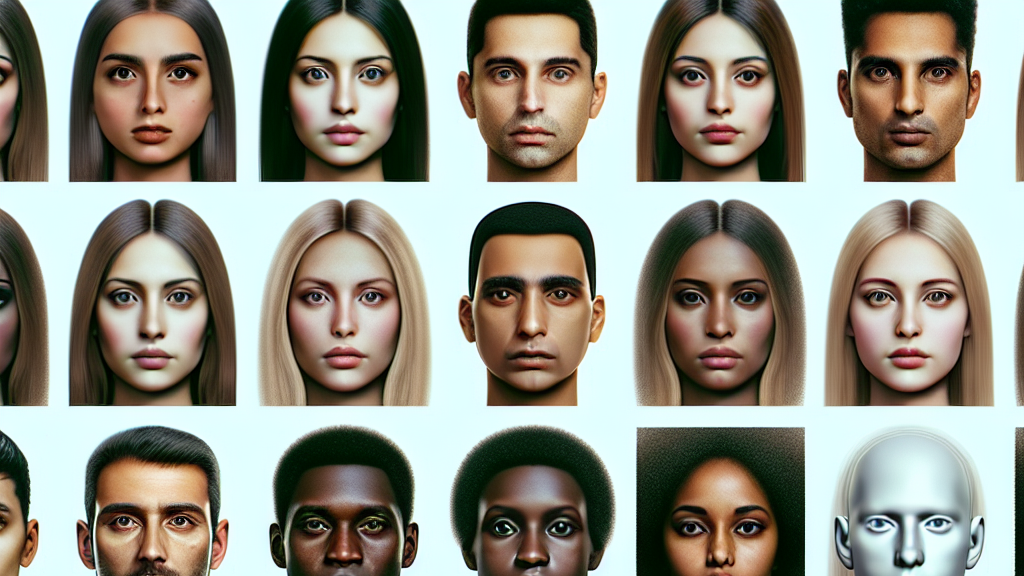
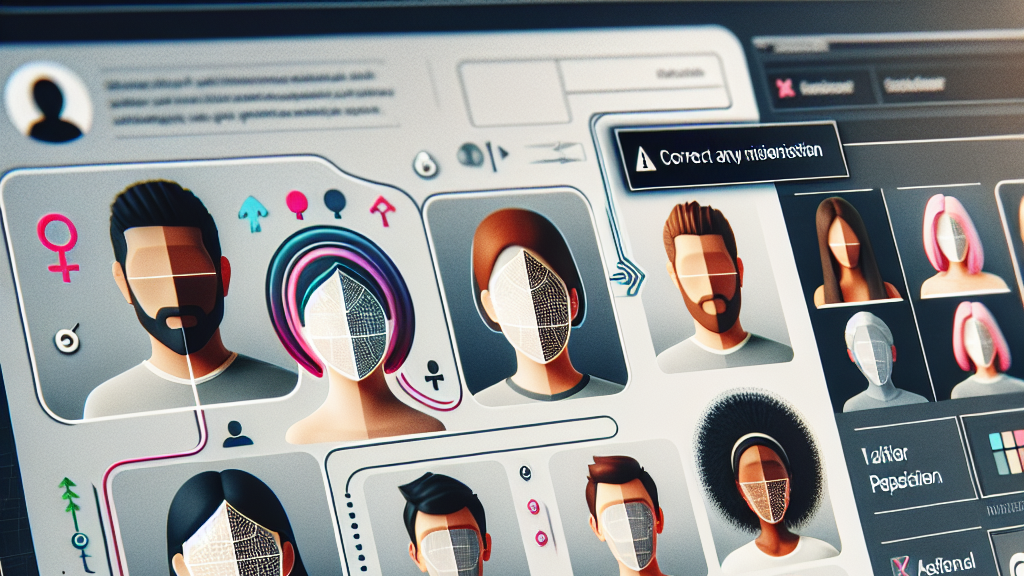
Imagine a world where computers could guess your gender just by looking at your picture. Sounds cool, right? But here’s the catch: current systems often mix up gender with physical traits, leading to mistakes, especially for those who don’t fit into typical male or female categories. This can be a huge deal for many people by not respecting their true identity.

Researchers are calling for a change in how these systems work. They believe that automatic gender recognition tools should not just rely on physical features to determine gender. Instead, they propose incorporating a way for people to give feedback and correct any mistakes the system makes. This might sound like a step back from perfect automation, but it’s actually about making these systems fairer and more respectful to everyone.

Imagine filling out a form that asks you to pick your gender, but this time, if the computer messes up, you can tell it—it’s kind of like teaching a friend what name you like to be called. This new approach could make tech not just smarter, but also kinder and more aligned with human values of respect and self-expression.

Did you know? Current gender recognition tech can mix up gender about as often as a human in a pitch-black room!

FAQs

Why is automatic gender recognition often inaccurate?

Automatic gender recognition systems can often be inaccurate because they typically classify gender based on observable features that do not always align with a person’s true gender identity, especially for non-binary and gender non-conforming people.

What alternative do researchers suggest for improving gender recognition systems?

Researchers suggest adding a feedback mechanism to gender recognition systems, allowing users to correct any mistakes. This approach aims to increase fairness and respect individuals’ rights to self-expression and identity.

How could these changes to gender recognition systems impact users?

These changes could ensure that gender recognition systems are more inclusive and respectful, giving users the power to correct misidentifications and thus support their true identities.

Background

Human gender identity is complex and can’t be fully captured by what we see. Traditional AGR systems, however, often judge gender based on physical traits, which can lead to inaccuracies especially for those who don’t conform to typical gender divisions. This complexity requires a sensitive approach that respects individual identity.

History

The idea of machines recognizing gender has roots in early artificial intelligence developments. Initially, these systems aimed to sort data into basic categories, including gender. Over time, as issues about gender identity and expression gained public awareness, the limitations and insensitivity of these systems became clear, leading to calls for more nuanced and user-inclusive approaches.

Based on “Fairness through Feedback: Addressing Algorithmic Misgendering in Automatic Gender Recognition” by Camilla Quaresmini, Giacomo Zanotti, available on arXiv (arxiv.org/abs/2506.02017), used under CC BY 4.0 (creativecommons.org/licenses/by/4.0/).

Trending

Latest

Can AI Save Water Discover How

Computers

AI is transforming the tech world, but it uses lots of water! A new tool, SCARF, helps us measure and reduce AI's water footprint,...

Whats a Forbush Decrease and Why Should We Care Whats a Forbush Decrease and Why Should We Care

Space

Scientists just observed the biggest solar storm event in years, revealing unexpected cosmic ray patterns. Understanding these changes could help us protect our technology...

Can Cars Spot Danger Faster Than Humans Can Cars Spot Danger Faster Than Humans

Computers

Think about how quickly you react when something unexpected happens on the road. This research brings us closer to creating self-driving cars that can...

Can Fear of the Other Stop Social Harmony Can Fear of the Other Stop Social Harmony

Physics

Fear of the unknown might make it harder for people to agree and get along. This study shows that when people have strong xenophobic...

Can AI Revolutionize Breast Cancer Diagnosis Can AI Revolutionize Breast Cancer Diagnosis

Electricity

This research introduces a groundbreaking AI model that can accurately assess HER2-positive breast cancer using widely accessible staining methods, potentially revolutionizing how we diagnose...

Can AI Transform Your Singing into a Choir Can AI Transform Your Singing into a Choir

Computers

Imagine singing solo and having AI turn you into a choir. This research unveils a groundbreaking AI tool that transforms your voice into rich...

You May Also Like

Computers

Imagine a machine capable of reading ancient books, deciphering complex pages with precision! This research is paving the way for AI to unlock the...

Economics

Discover how AI models can unknowingly favor certain races in mortgage decisions and how new methods could dramatically reduce these biases, fostering a fairer...

Computers

Dive into the world of AI mistrust, where computers don't always know when they're wrong! Discover how teaching AI to see like us might...

Computers

This research delves into how AI-generated images can reinforce societal biases, urging for more inclusive practices to ensure fair and diverse representation. It examines...

Computers

Discover potential dangers in using artificial intelligence to count votes and how even a small error could change election outcomes.

Computers

Artificial intelligence systems favor attractive faces, linking them to traits like intelligence, and struggle more to accurately classify less-attractive, non-White female faces. This raises...

Computers

Researchers are testing if blending sound and sight in AI could boost its smarts. This matters because it could mean smarter tech in devices...

Computers

This study reveals how people with schizophrenia use YouTube vlogs to share their emotional journeys, combining verbal and visual storytelling to engage viewers better....

Computers

This research introduces a new dataset to help AI systems more accurately identify images of minors online, potentially protecting children from digital exploitation and...

Copyright © 2024 8ig8rain.

Disclaimer: The content on 8ig8rain.com consists of AI-generated summaries of scientific abstracts from arXiv. Please note that most arXiv abstracts are preprints and may not have undergone formal peer review. While these summaries aim to convey key ideas and potential applications, they are provided for informational purposes only and should not be interpreted as validated scientific findings or professional advice. The summaries are intended to educate, spark curiosity, and inspire further exploration of science.