Imagine talking to a friendly AI chatbot that could actually change the way you feel, just like chatting with a human friend. With AI chatbots like ChatGPT becoming a part of our daily lives, researchers are curious about their impact on our emotions and behaviors. Could these digital conversations influence our mood or even lead to dependency?
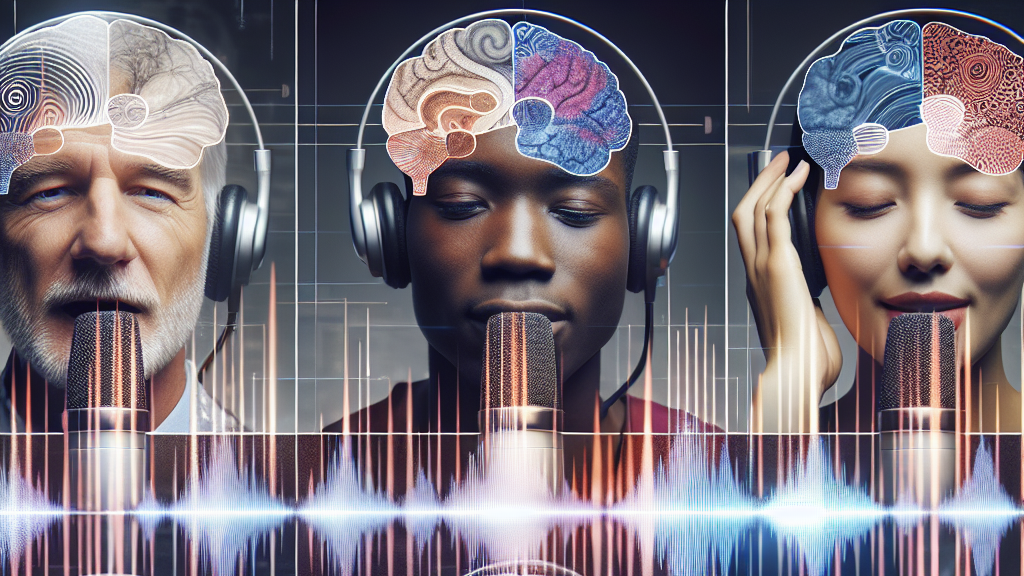
This study took a closer look at how people interact with ChatGPT, especially through its Advanced Voice Mode. By analyzing over 3 million conversations and surveying thousands of users, the researchers aimed to understand if chatting with AI affects emotional well-being. In a detailed experiment with nearly 1,000 people, they found that frequent conversations with ChatGPT can lead to emotional shifts, which vary based on how much the person uses it and their moods before starting the chat.
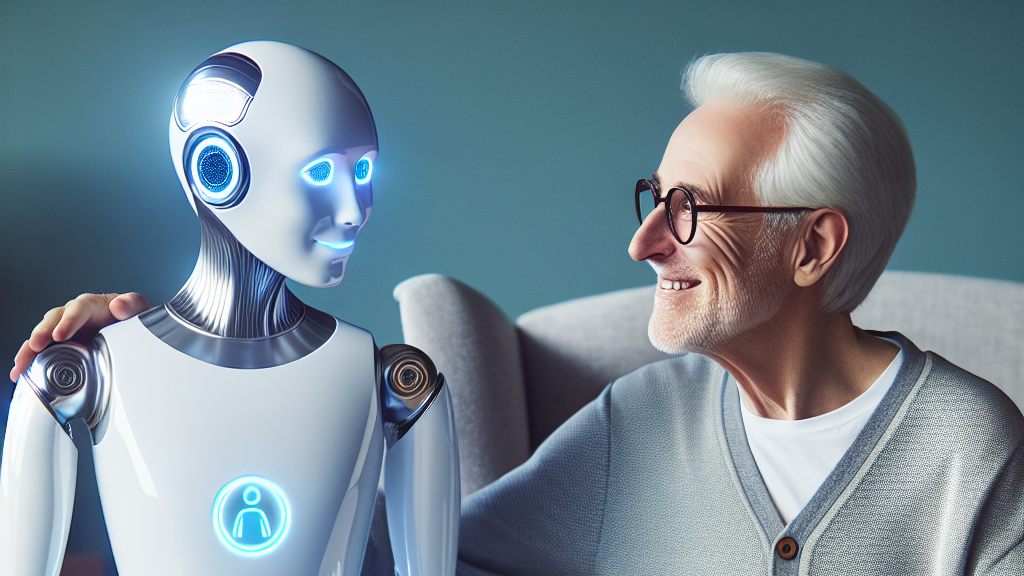
Imagine a future where AI chatbots might be used as digital counselors or even help with loneliness. If a chatbot can positively influence emotions, it might be harnessed to support mental well-being, especially for those who need someone to talk to. However, it’s important to keep in mind that some users might become too dependent on these interactions. It’s a fine balance that researchers are aiming to understand better.
Did you know? Chatbots might soon become your go-to for emotional support, like a digital friend cheering you up!
FAQs
How do AI chatbots like ChatGPT affect emotional well-being?
AI chatbots such as ChatGPT can influence emotional well-being by changing a user’s mood during interactions. This study found that high usage of these chatbots might result in increased feelings of dependence, impacting emotional states in different ways.
What did the study reveal about AI chatbot usage and user behavior?
The research showed that most affective responses came from a small group of users who interacted with the chatbot the most. These users often displayed significant changes in mood and behavior, highlighting a potential for dependency.
Can AI chatbots become a substitute for real human interactions?
While AI chatbots can provide emotional support and companionship, they are not a full substitute for real human interactions. Humans need genuine connections, though chatbots might provide temporary relief or company for some individuals.
What are the benefits and risks of using AI chatbots for emotional support?
Benefits include providing immediate emotional support and companionship, especially for those feeling isolated. However, there’s a risk of users becoming overly reliant on these AI interactions, which could impact their interpersonal skills and real-world relationships.
How can Advanced Voice Mode in AI chatbots influence user experience?
Advanced Voice Mode in AI chatbots can make interactions more engaging, resembling conversations with actual people. This might enhance user experience by making it feel more personal but could also increase emotional attachment, leading to dependency.
Background
As technology advances, AI chatbots like ChatGPT are being designed to mimic human conversation, offering a more relatable and engaging experience. The concept revolves around natural language processing, which allows these chatbots to understand and respond in a human-like manner. By analyzing text and audio inputs, they generate responses that are contextually relevant, aiming to create a sense of companionship and support for users.
History
The development of AI chatbots has evolved from simple scripted responses to complex, adaptable interactions. Initially used for customer service, these chatbots have expanded into more personal realms with the ability to engage in nuanced conversations. The rise of voice-activated assistants like Alexa and Google Assistant laid the groundwork for such interactive systems. This study builds on these developments by exploring the psychological effects that ongoing and immersive interactions can have on users.
Based on “Investigating Affective Use and Emotional Well-being on ChatGPT” by Jason Phang, Michael Lampe, Lama Ahmad, Sandhini Agarwal, Cathy Mengying Fang, Auren R. Liu, Valdemar Danry, Eunhae Lee, Samantha W. T. Chan, Pat Pataranutaporn, Pattie Maes, available on arXiv (arxiv.org/abs/2504.03888), used under CC BY 4.0 (creativecommons.org/licenses/by/4.0/).