Connect with us

Search by keyword

Computers

Should AI Be Punished First? Discover Surprising Views!

Can AI be punished for its mistakes? This research explores how people think AI should be held accountable, and why understanding these views is crucial for designing fair tech laws.

Should AI Be Punished First Discover Surprising Views
✨Researched by humans. Explained by robots. Learn more.

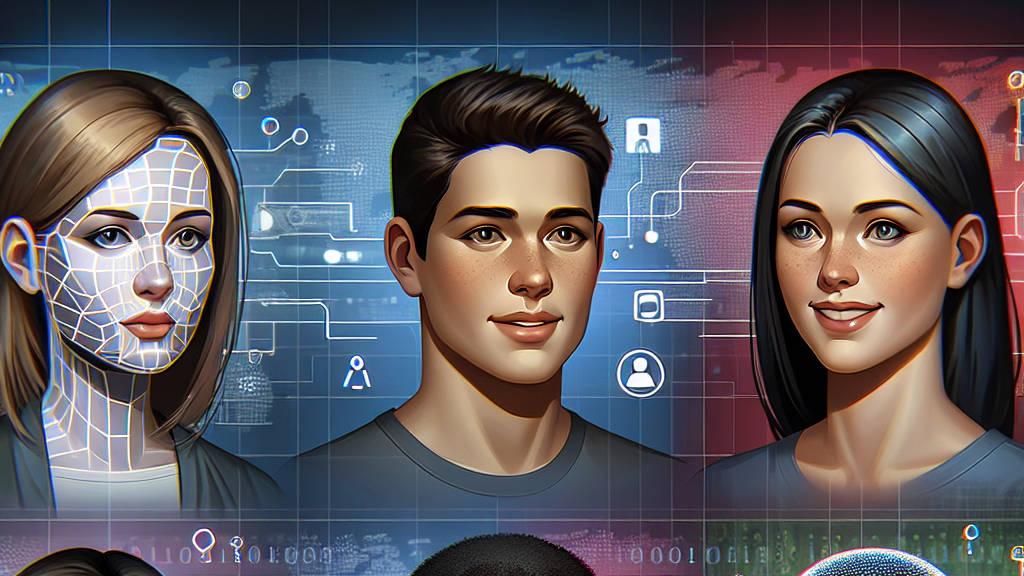
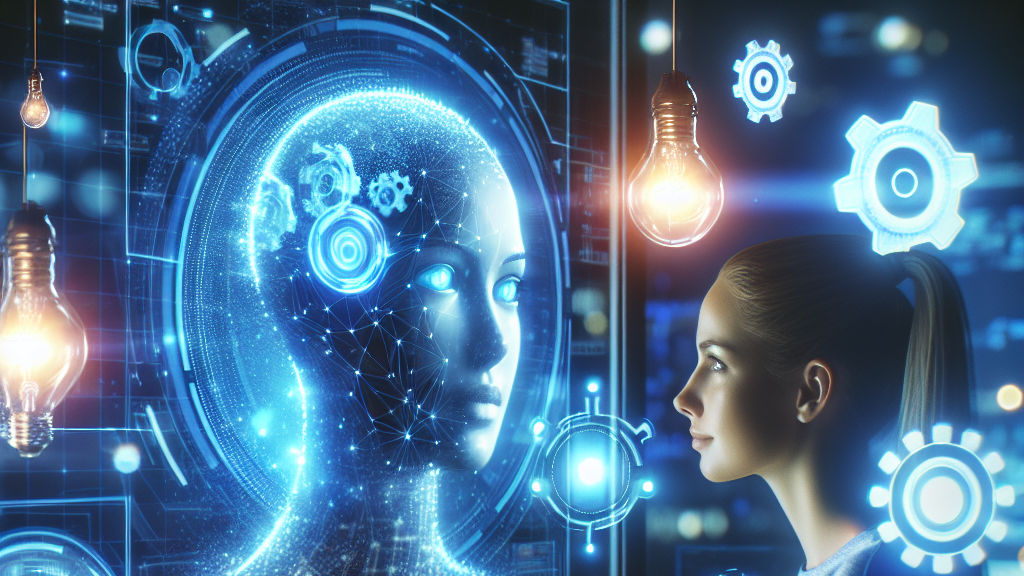
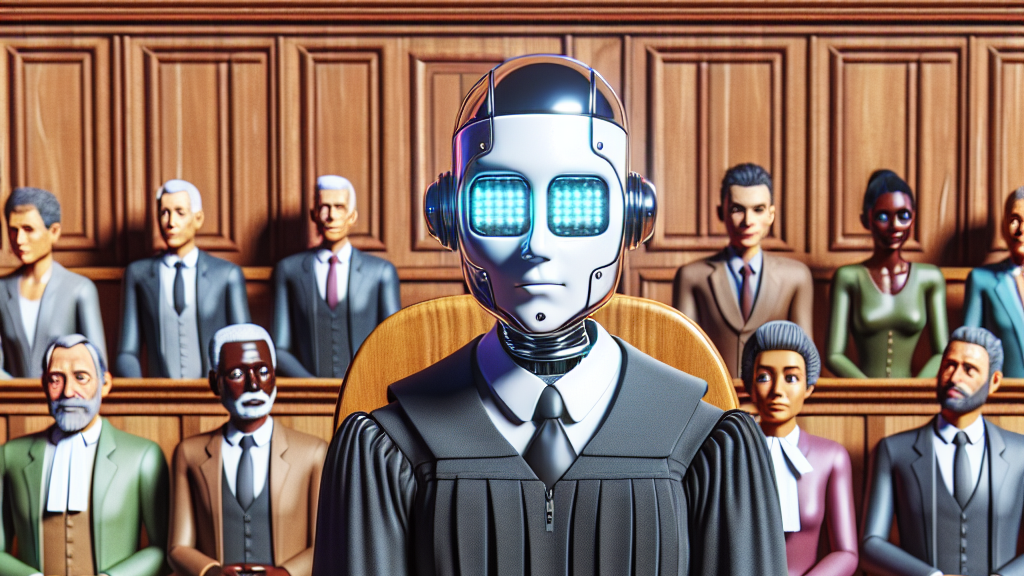
**Could a robot be put on trial?** That’s the fascinating question driving researchers today. As artificial intelligence becomes a bigger part of our lives, it’s not just making decisions—sometimes, it makes mistakes that cause harm. And while it might sound like a sci-fi movie, people are starting to wonder if AI should face consequences, just like humans do when they mess up. It’s a wild thought, but understanding how people feel about AI ‘punishment’ can shape the future of technology and law.

Researchers are diving into this new world, drawing insights from psychology, computer science, philosophy, and even the law. What’s surprising is that people want AI to take responsibility and, if needed, be punished when it causes harm. The study finds that lack of clear understanding in this area could leave us unsatisfied, especially when AI’s legal accountability doesn’t align with our expectations. Imagine relying on a self-driving car, and it crashes—how do we ensure justice? This research seeks to bridge that gap, offering a fair way to address AI-related issues.

Picture a future where AI is as common as smartphones are today. We’re not far from this reality, and researchers are calling for a mix of studies to explore what justice looks like in a high-tech world. They argue that if we don’t understand public expectations about AI accountability, our tech laws might fall short, leaving us with unresolved feelings of injustice. By engaging in this exploration, we might just design a system that’s fair for everyone—including the robots.

Did you know some people already think AI should be punished like humans? It’s a revealing insight into how much trust we place in technology!

FAQs

Why do people think AI should be punished?

People often expect AI to be held accountable for causing harm because robots have become an integral part of our lives, and many believe justice should apply to all entities that impact society.

How could AI punishment be enforced?

While it’s a hypothetical scenario, enforcing AI punishment could involve restricting certain software functions or imposing fines on creators. Exploring legal frameworks is vital to understand how this could work in practice.

Will AI punishment make technology development safer?

Possibly, as it could encourage developers to design more reliable and accountable AI systems. If legal standards reflect public expectations, it might lead to safer technology advancements.

Background

Artificial Intelligence, or AI, leverages complex algorithms to perform tasks that mimic human intelligence like decision-making and problem-solving. As AI becomes more advanced, it plays larger roles in various fields from healthcare to autonomous vehicles. However, when AI makes significant decisions, it can also make errors, sometimes with severe consequences. Understanding public sentiment on AI accountability is crucial because, despite its non-human status, many people feel that AI should be responsible for its actions.

History

The idea of AI accountability has its roots in early discussions about machine learning and decision-making autonomy. Debates in AI ethics have long revolved around responsibility and trust. However, the rapid integration of AI in our daily lives has amplified these concerns, drawing attention from psychology, legal studies, and philosophy to address the emerging challenges in AI ethics.

Based on “’Till I can get my satisfaction’: Open Questions in the Public Desire to Punish AI” by Eddie L. Ungless, Zachary Horne, Björn Ross, available on arXiv (arxiv.org/abs/2503.03383), used under CC BY 4.0 (creativecommons.org/licenses/by/4.0/).

Trending

Latest

Can AI Save Water Discover How

Computers

AI is transforming the tech world, but it uses lots of water! A new tool, SCARF, helps us measure and reduce AI's water footprint,...

Whats a Forbush Decrease and Why Should We Care Whats a Forbush Decrease and Why Should We Care

Space

Scientists just observed the biggest solar storm event in years, revealing unexpected cosmic ray patterns. Understanding these changes could help us protect our technology...

Can Cars Spot Danger Faster Than Humans Can Cars Spot Danger Faster Than Humans

Computers

Think about how quickly you react when something unexpected happens on the road. This research brings us closer to creating self-driving cars that can...

Can Fear of the Other Stop Social Harmony Can Fear of the Other Stop Social Harmony

Physics

Fear of the unknown might make it harder for people to agree and get along. This study shows that when people have strong xenophobic...

Can AI Revolutionize Breast Cancer Diagnosis Can AI Revolutionize Breast Cancer Diagnosis

Electricity

This research introduces a groundbreaking AI model that can accurately assess HER2-positive breast cancer using widely accessible staining methods, potentially revolutionizing how we diagnose...

Can AI Transform Your Singing into a Choir Can AI Transform Your Singing into a Choir

Computers

Imagine singing solo and having AI turn you into a choir. This research unveils a groundbreaking AI tool that transforms your voice into rich...

You May Also Like

Electricity

What if you could control a computer just by moving your eyes? This study explores a new technology, using a tiny device in the...

Computers

Imagine moving things without touching them, just like magic! This cutting-edge research uses sound waves and robots to transport objects through the air, revolutionizing...

Computers

Digital transformation in urban planning could revolutionize how cities function, from easing traffic to enhancing public services, especially as challenges like outdated practices and...

Computers

Ever wonder how your AI assistant handles your most private questions? A new study dives deep into how different chatbots answer sensitive queries, revealing...

Space

This research has unlocked a faster way to explore the universe using gravitational lensing, an astronomical phenomenon that could reveal hidden secrets of quasars...

Computers

This research explores how using AI can transform feelings of guilt into growth, making us more creative and innovative partners with technology. It sheds...

Physics

Quantum computing might be the secret sauce that takes artificial intelligence to the next level, offering revolutionary ways to boost AI performance and solve...

Physics

This research reveals how Canadian experts are tackling noise issues in quantum science, leading innovations that could transform how we use quantum computers, making...

Computers

Zeta Neural Networks could revolutionize tech by improving how digital brains learn and understand complex patterns, potentially reshaping everything from gaming to medical diagnostics.

Copyright © 2024 8ig8rain.

Disclaimer: The content on 8ig8rain.com consists of AI-generated summaries of scientific abstracts from arXiv. Please note that most arXiv abstracts are preprints and may not have undergone formal peer review. While these summaries aim to convey key ideas and potential applications, they are provided for informational purposes only and should not be interpreted as validated scientific findings or professional advice. The summaries are intended to educate, spark curiosity, and inspire further exploration of science.