Connect with us

Search by keyword

Computers

Are Social Media Algorithms Dividing Us?

This research uncovers how social media algorithms create echo chambers that split us into ideological camps, making it harder for society to come together and reason collectively in times of tension.

Are Social Media Algorithms Dividing Us
✨Researched by humans. Explained by robots. Learn more.

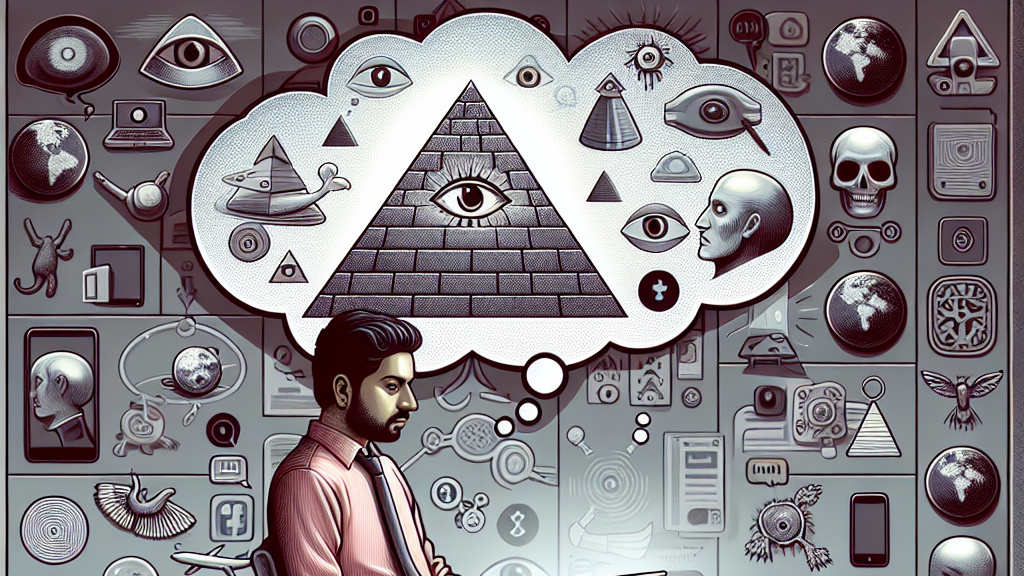
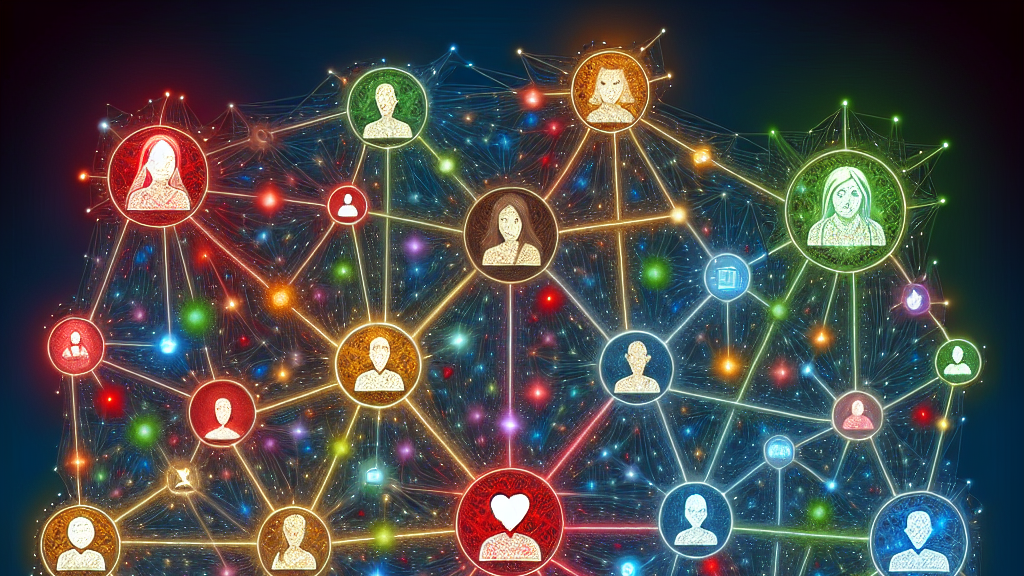
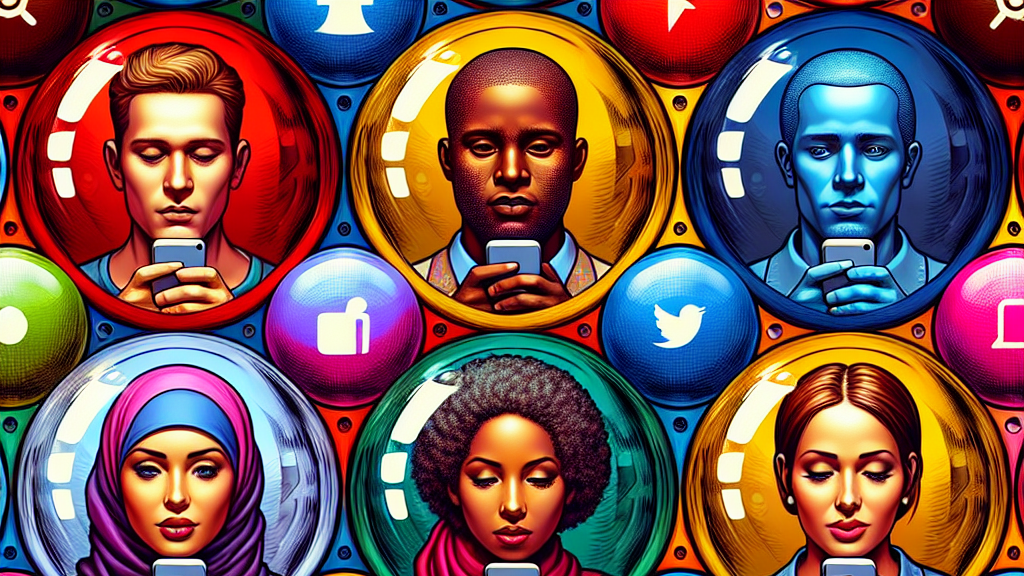
Have you ever wondered why conversations on social media can feel a bit like shouting across a canyon? It turns out, the algorithms behind your favorite platforms might be creating bigger divides than you realize. These algorithms, designed to show you content you’ll engage with, often end up creating echo chambers. Instead of bringing diverse ideas together, they push people into isolated bubbles where everyone shares similar views. This makes it harder to have meaningful conversations across different groups and can deepen social divides.

This study digs into how this happens by focusing on the way digital communities work. It combines philosophical theories about community and shared values with a detailed analysis of how social media interactions unfold. The research looks at how these algorithms amplify discussions around sensitive issues like sexism, racism, and xenophobia, especially when society is already on edge. By doing so, it shows how social media not only mirrors but also magnifies the tensions we feel in real life.

Imagine a future where social media platforms evolve to encourage more cross-group dialogue rather than division. This research highlights the importance of finding ways to tweak these algorithms for more balanced discourse. Imagine algorithms that promote more diverse viewpoints and help bridge the gap, making online discussions more reflective of a healthy community dialogue. With this kind of change, social media could become a tool for unity rather than division.

Did you know that social media algorithms can predict the types of content you’re likely to engage with, but in doing so, they might also be limiting your exposure to different viewpoints?

FAQs

[Collection], [Collection], [Collection], [Collection], [Collection]

Background

At the heart of this study are social media algorithms — those hidden codes that decide what content you see on your feeds based on your interests, clicks, likes, and shares. These algorithms are great at keeping you engaged but often at the cost of showing you only things you already agree with, creating a phenomenon known as a ‘filter bubble.’ They essentially craft a digital echo chamber where divergent ideas rarely penetrate, fostering division instead of understanding. This study also integrates philosophical insights into community and shared values, emphasizing how crucial cross-group dialogue is for society.

History

The concept of ‘filter bubbles’ gained attention with the rise of social media and its algorithms. Early social media aimed at connecting people, but over time, algorithms evolved to prioritize content that maximizes user engagement, often at the expense of diversity in discourse. Previous studies have shown how these algorithms tend to reinforce existing biases and create echo chambers. This research builds on these findings by integrating philosophical perspectives to understand the broader implications of such digital communication patterns.

Based on “From Public Square to Echo Chamber: The Fragmentation of Online Discourse” by Abhinav Pratap, Amit Pathak, available on arXiv (arxiv.org/abs/2501.18441), used under CC BY 4.0 (creativecommons.org/licenses/by/4.0/).


Trending

Latest

Can AI Save Water Discover How

Computers

AI is transforming the tech world, but it uses lots of water! A new tool, SCARF, helps us measure and reduce AI's water footprint,...

Whats a Forbush Decrease and Why Should We Care Whats a Forbush Decrease and Why Should We Care

Space

Scientists just observed the biggest solar storm event in years, revealing unexpected cosmic ray patterns. Understanding these changes could help us protect our technology...

Can Cars Spot Danger Faster Than Humans Can Cars Spot Danger Faster Than Humans

Computers

Think about how quickly you react when something unexpected happens on the road. This research brings us closer to creating self-driving cars that can...

Can Fear of the Other Stop Social Harmony Can Fear of the Other Stop Social Harmony

Physics

Fear of the unknown might make it harder for people to agree and get along. This study shows that when people have strong xenophobic...

Can AI Revolutionize Breast Cancer Diagnosis Can AI Revolutionize Breast Cancer Diagnosis

Electricity

This research introduces a groundbreaking AI model that can accurately assess HER2-positive breast cancer using widely accessible staining methods, potentially revolutionizing how we diagnose...

Can AI Transform Your Singing into a Choir Can AI Transform Your Singing into a Choir

Computers

Imagine singing solo and having AI turn you into a choir. This research unveils a groundbreaking AI tool that transforms your voice into rich...

You May Also Like

Economics

Social media might not always be the villain when it comes to spreading fake news. In regions with strong public engagement, social media can...

Computers

Did you know that Google might be hiding info from you? This research shows that Google's algorithms can suppress certain online content, like conspiracy...

Computers

Imagine AI systems helping businesses plan and carry out tasks—but they're relying on potentially fake online reviews. Sound risky? This research dives into how...

Physics

This research is exploring how particle pairs, called dibosons, might be exhibiting a fascinating quantum trait called entanglement. Understanding this can potentially lead to...

Computers

This study uncovers how a 'conspiratorial mindset' exists in some social media users before they become part of conspiracy groups. It highlights the need...

Computers

Discover how studying the arrangement of pages and queues in graph layouts might lead to more efficient data organization and processing tricks that could...

Computers

This study introduces a new dataset to better identify violent threats on social media. This can lead to more effective tools to keep online...

Physics

This research unveils how social media can spotlight political divides, showing that including negative interactions helps reveal the most extreme political views and behaviors...

Computers

This research explores how people on Reddit discuss race portrayed in TV shows like Lovecraft Country and Watchmen. It reveals how opinions change and...

Copyright © 2024 8ig8rain.

Disclaimer: The content on 8ig8rain.com consists of AI-generated summaries of scientific abstracts from arXiv. Please note that most arXiv abstracts are preprints and may not have undergone formal peer review. While these summaries aim to convey key ideas and potential applications, they are provided for informational purposes only and should not be interpreted as validated scientific findings or professional advice. The summaries are intended to educate, spark curiosity, and inspire further exploration of science.