





































































Economics
Social media might not always be the villain when it comes to spreading fake news. In regions with strong public engagement, social media can...
Search by keyword

Social media might not always be the villain when it comes to spreading fake news. In regions with strong public engagement, social media can...
Did you know that Google might be hiding info from you? This research shows that Google's algorithms can suppress certain online content, like conspiracy...
Imagine AI systems helping businesses plan and carry out tasks—but they're relying on potentially fake online reviews. Sound risky? This research dives into how...
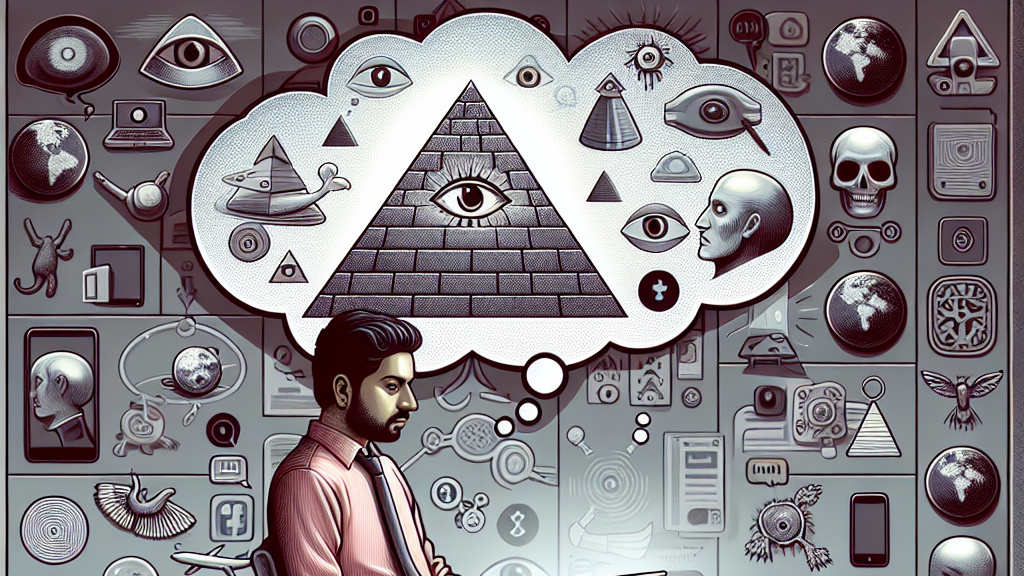
This study uncovers how a 'conspiratorial mindset' exists in some social media users before they become part of conspiracy groups. It highlights the need...
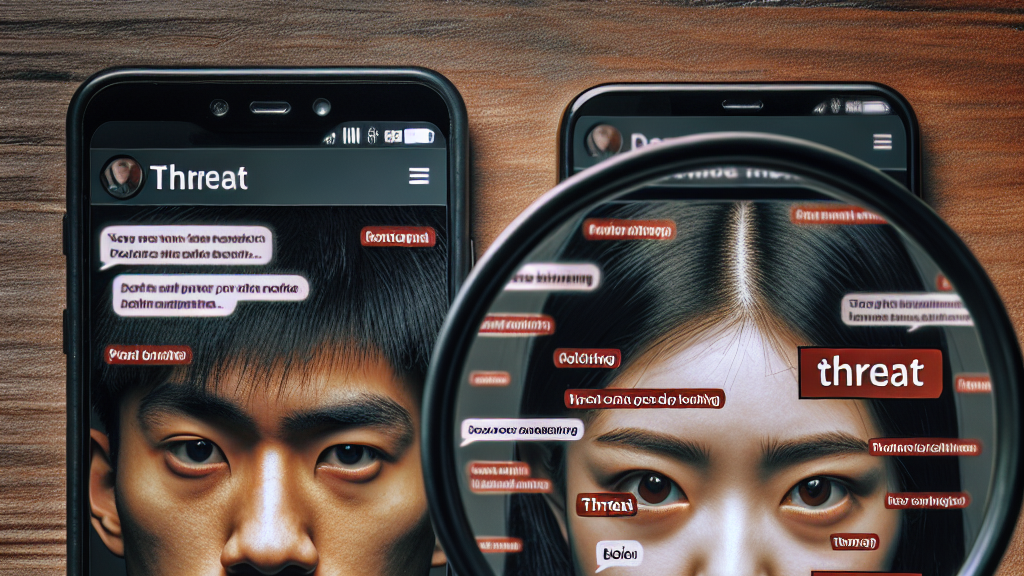
This study introduces a new dataset to better identify violent threats on social media. This can lead to more effective tools to keep online...
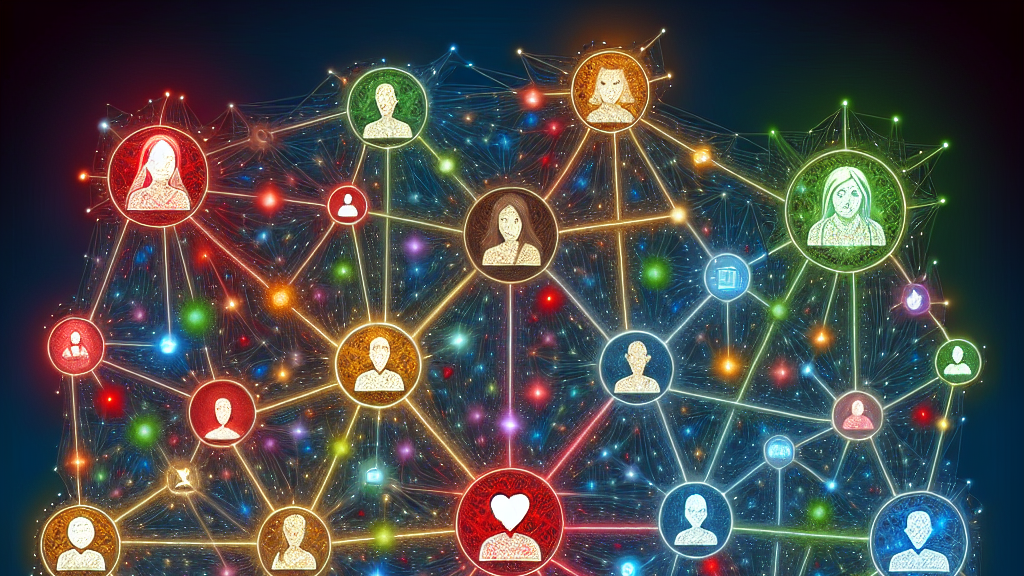
This research unveils how social media can spotlight political divides, showing that including negative interactions helps reveal the most extreme political views and behaviors...
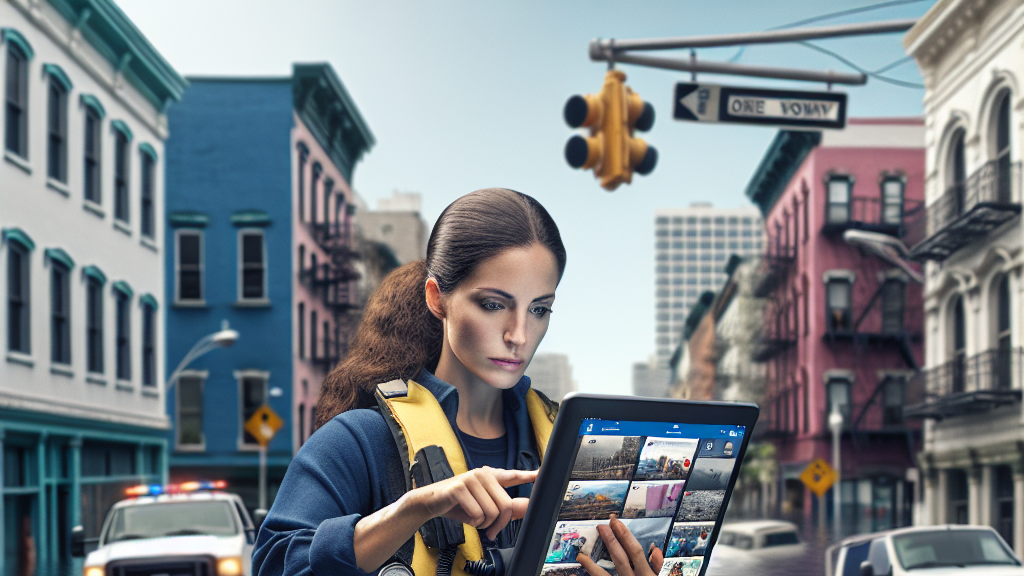
Discover how social media could transform disaster response by giving emergency workers real-time, life-saving insights during floods and other extreme events.
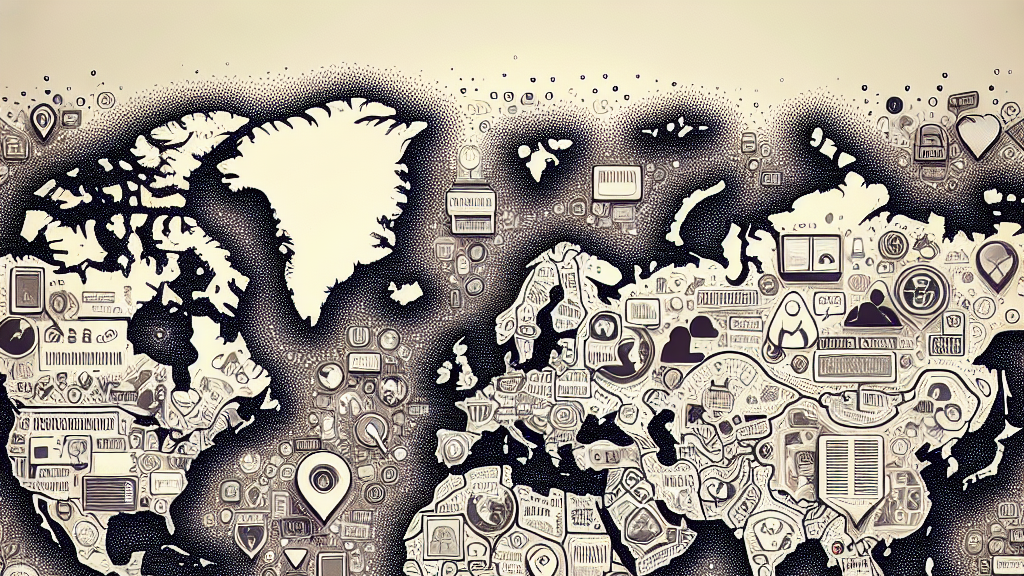
Countries worldwide are making new laws to tackle fake news and misinformation online. With diverse strategies and global reach, these laws aim to protect...
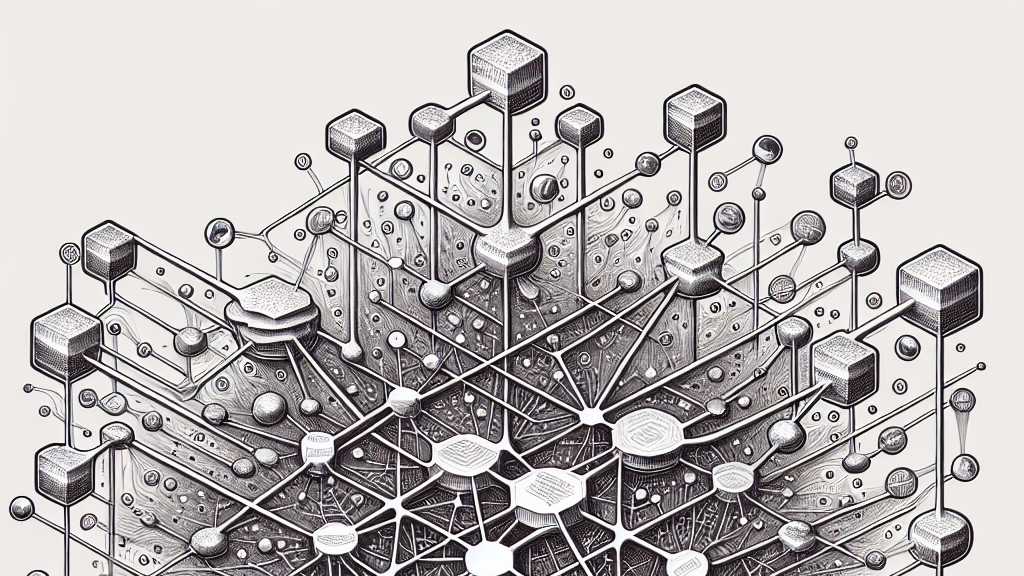
Ever wonder how social media spreads misinformation so quickly? A new study reveals that the structure of social media networks can amplify falsehoods as...
This research uncovers how content creators are using the 'Pin of Shame' to highlight and confront bad behavior in comments, addressing the complex dance...
This research uncovers how 'Pin of Shame' mechanics on social media are being used to highlight bad behavior and teach community standards, making us...
As social media platforms use AI more, they're making it harder for outsiders to see if they're being fair and honest. This study shows...

Exploring AI's ability to transform hateful memes into thoughtful ones, improving our online interactions and fostering a more respectful digital world.

TrueFake is a groundbreaking dataset created to help improve the detection of fake images on social media. With 600,000 images tested under realistic sharing...
This research shows how AI can sift through social media during disasters, sorting info quickly to help emergency responders prioritize and assist those in...
This study shows how analyzing social media chatter can help investors and companies see what the public really thinks about big brands in real...
AI might just be our secret weapon against the rising flood of misinformation on social media. By enhancing our ability to detect and counter...
Discover how TikTok's video recommendations might be creating echo chambers and explore new research that offers strategies to diversify your experience and break free...
Social media posts, typically seen as noise, are now being used to predict stock trends more accurately with a new method that pairs expert...
This study explores what people say about migraines on Reddit, revealing four surprising facts that could change how we view this painful condition. From...

This study reveals how people's facial expressions in Instagram posts about the 2024 U.S. presidential election can tell us as much as their words...
Sharing photos online might seem innocent, but they can reveal more about your location than you think. Researchers created an app that helps users...
Discover how new tech uncovers hidden tricks in political ads, shedding light on election manipulation and boosting transparency in politics.
This new AI model could help identify cyberbullies online, making social media a safer space by considering the victim's unique characteristics and the severity...
Using the power of AI, researchers have created a tool that analyzes posts on platforms like Reddit to detect signs of mental health issues...
A study on an Indian TikTok-like app reveals that replacing algorithmic content ranking with random delivery significantly reduces exposure to harmful content. This research...
A new study shows randomizing content can cut exposure to toxic posts by over a quarter, revealing how algorithm shifts might influence online behavior.
Did you know those fun face filters on social media might be collecting personal data about you? This research shows that users often aren't...
This research reveals how social media apps may use your local data without you even knowing, potentially altering how you behave online. Discover how...
This research investigates how tweets from influential users in Delhi can act as sensors to detect air pollution, potentially enhancing awareness and helping us...