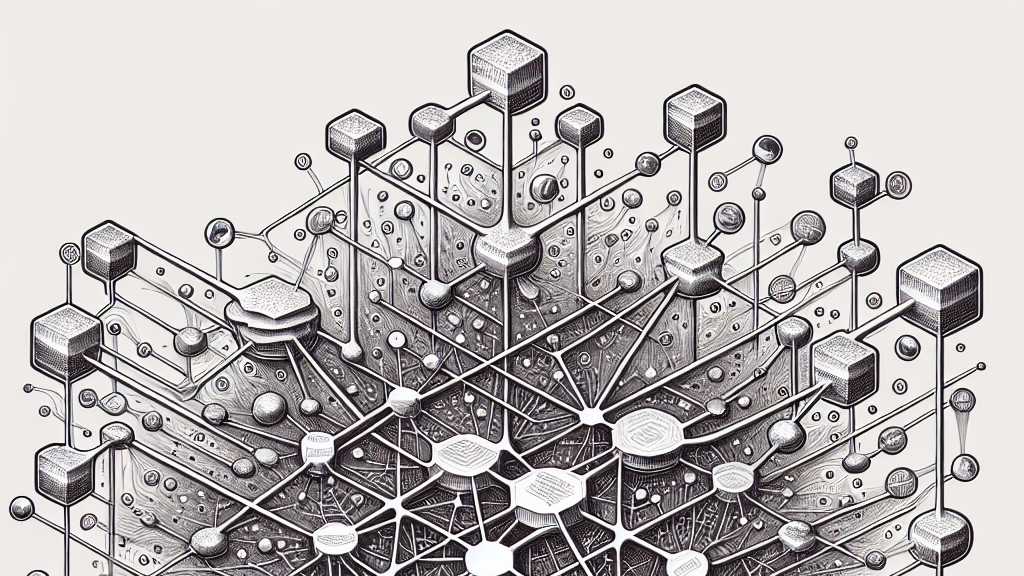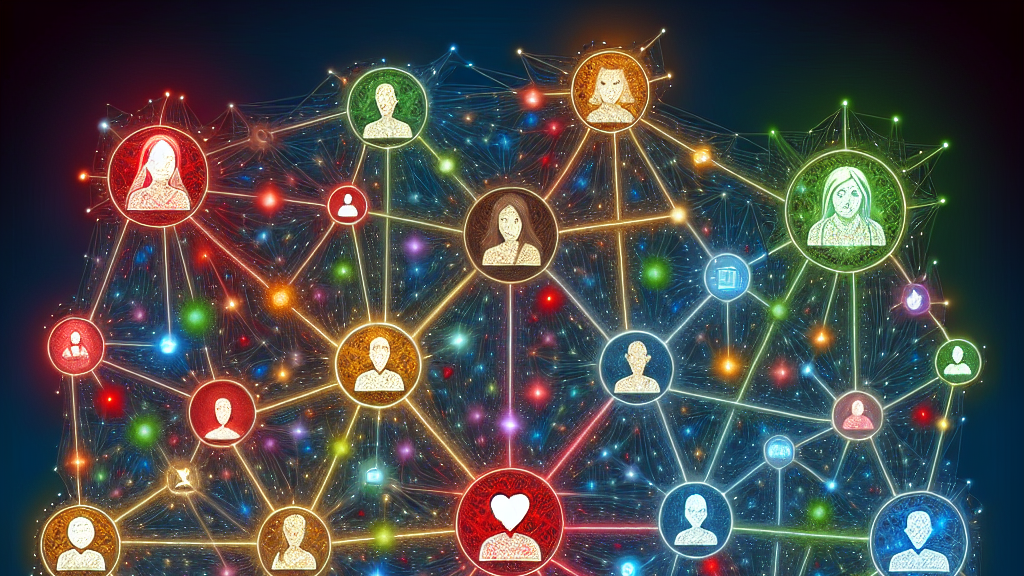
We all know social media can be a hotbed of both positive and negative interactions, but did you ever wonder how these digital exchanges might illuminate the political divides in our society? Well, recent research delves into exactly that by using what’s called ‘signed networks’—these are like maps of our online interactions, with lines that not only connect us but also show the mood between us. Positive or negative, these lines reveal more than just connections—they unveil the underlying currents of social and political dynamics.
Researchers studied Menéame, a Spanish social media platform where users comment on news stories. They employed a fancy-sounding technique allowing them to dig into these ‘signed networks’ and observe conversations about various topics. What they found was fascinating: without taking into account the negative interactions—the more antagonistic exchanges—it’s like missing half the story. Only by recognizing these negative ties can they see who the really extreme users are—the ones who don’t just disagree but actively clash with others.
Imagine if social media could help us see where the intense political feelings are lurking—not just with who agrees with who, but where the friction lies. By looking at these interactions, we might better understand how to bridge divides and foster engagement that’s less about fighting and more about discourse. This research not just maps the digital battleground but could also guide us towards a more harmonious online community, potentially inspiring platforms to build better tools for understanding and mitigating such divides.
Did you know? Those seemingly random online arguments could actually highlight hidden political extremes!
FAQs
What is a signed network in the context of online interactions?
A signed network represents online interactions where connections have different values indicating positive or negative sentiments, helping to map out how people digitally engage with each other, especially in terms of support or opposition.
How does analyzing negative interactions improve our understanding of political polarization?
Analyzing negative interactions reveals the most extreme political views and behaviors, making it clear who is not only disagreeing but also actively engaging in antagonistic behavior, which is often missed in regular network analysis.
Why is this research on Menéame significant for understanding political divides on social media?
Menéame provides a unique platform where users engage and vote on news stories, offering a microcosm of social media dynamics that, when analyzed, can expose the nuanced ways ideological divides and polarization manifest in online communities.
Background
Signed networks are an advanced way of visualizing connections between individuals, where the connections have weights that indicate positive or negative interactions. This allows researchers to not only see who is connected, but also how they are connected in terms of sentiment. By using this approach, researchers can better understand the social dynamics at play, particularly in polarized environments where feelings can be mixed.
History
In traditional network studies of online communities, interactions were often viewed as simple connections among users without sentiment. Recent studies have moved to incorporate polarity or sentiment into these networks, turning them into ‘signed networks.’ This approach gained traction as researchers found it significantly enhanced the understanding of complex behaviors and relationships within polarized groups, particularly in contexts like political discussions on social media.
Based on “Negative Ties Highlight Hidden Extremes in Social Media Polarization” by Elena Candellone, Shazia’Ayn Babul, Özgür Togay, Alexandre Bovet, Javier Garcia-Bernardo, available on arXiv (arxiv.org/abs/2501.05590), used under CC BY 4.0 (creativecommons.org/licenses/by/4.0/).