Ever wonder if you’re really concentrating when studying online? With all the distractions around us, keeping our focus isn’t as easy as it sounds. But what if technology could help us know when we’re truly focused or just staring blankly at the screen? This isn’t just a dream; it’s becoming reality thanks to some breakthrough research.
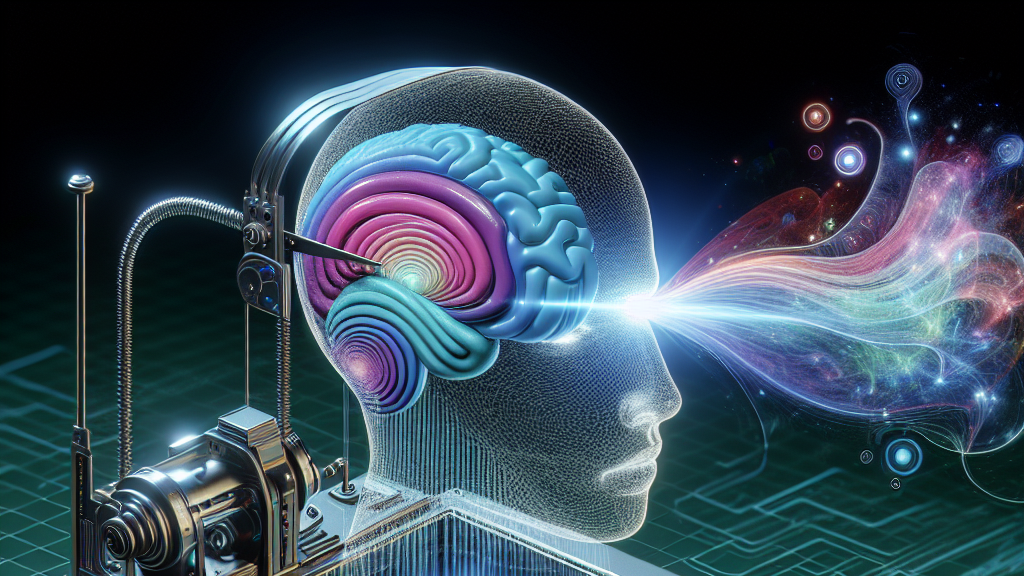
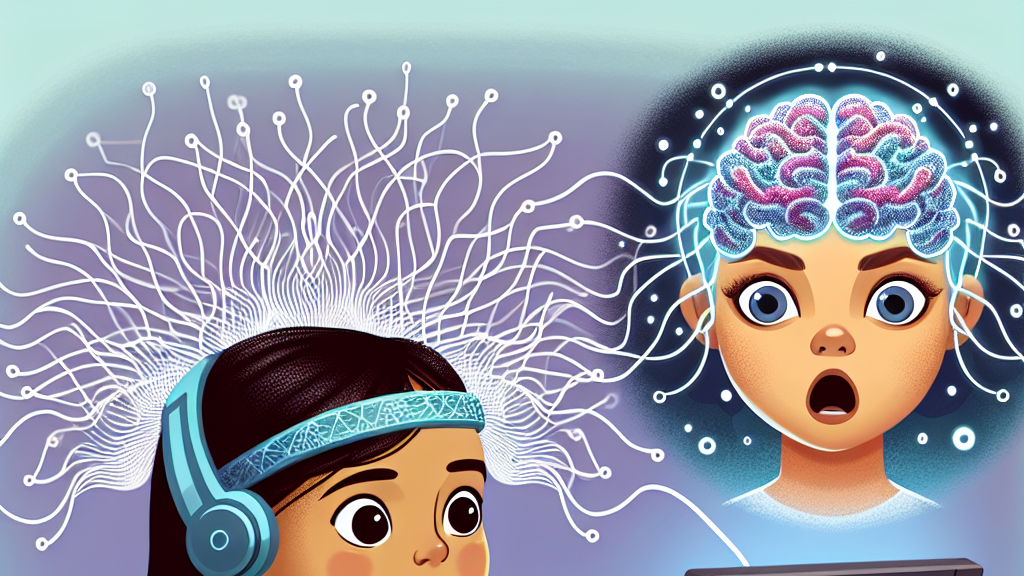
Researchers have developed a system that reads brain signals through a special headband to figure out how focused you really are while learning online. By capturing signals like alpha, beta, and theta waves, and using a smart machine learning model tailored just for you, this tech offers unique insights. It uses advanced processes to pick the most important pieces of information and fine-tune their program, so it gets better and better at understanding your focus levels.
Picture a world where students could get real-time feedback on their concentration levels and adjust their study habits accordingly. This could transform the way we learn and help educators design more effective educational experiences. Imagine getting nudges when your mind wanders or suggestions about the best times for you to hit the books. With AI, this is becoming more possible every day.
Did you know that brainwaves like alpha and beta can reveal if you’re daydreaming or laser-focused?
FAQs
How does using EEG data help in determining student concentration?
EEG data captures the brain’s electrical activity, which can show whether a student is focused or distracted by analyzing different brain waves.
What makes the machine learning model in this study unique?
This model is personalized, meaning it’s tailored specifically to individual students, which enhances its accuracy in assessing their concentration states.
Can this technology be used outside of online learning?
Yes, similar technology could potentially be used in various settings like workplace productivity or even virtual reality experiences to monitor and enhance focus.
Background
Electroencephalography, or EEG, is a method used to record the brain’s electrical activity. By wearing a headband with electrodes, it’s possible to capture this activity in the form of different brainwaves. These brainwaves, such as alpha and beta, can provide insights into a person’s mental state, like whether they are relaxed, attentive, or distracted. Machine learning is a powerful tool that can analyze these patterns and learn from them to draw conclusions about a student’s concentration levels.
History
The use of EEG for studying brain activity dates back decades, but only more recently have advancements in machine learning allowed such personal and precise analysis. Where early EEG studies were limited to bulky machines and general findings about brain function, this study utilizes elegant, wearable technology and the power of modern computing to provide real-time, personalized insights.
Based on “Assessing a Single Student’s Concentration on Learning Platforms: A Machine Learning-Enhanced EEG-Based Framework” by Zewen Zhuo, Mohamad Najafi, Hazem Zein, Amine Nait-Ali, available on arXiv (arxiv.org/abs/2502.15107), used under CC BY 4.0 (creativecommons.org/licenses/by/4.0/).