In a world where information travels faster than ever, how do we separate fact from fiction? Especially during a crisis like the COVID-19 pandemic, false information can easily mislead the public and create unnecessary panic. Researchers have recently delved deep into this issue, analyzing online posts that spread misinformation about COVID-19 from nearly every corner of the globe. Their findings reveal a complex web of fear, politics, and profit driving these misleading narratives.
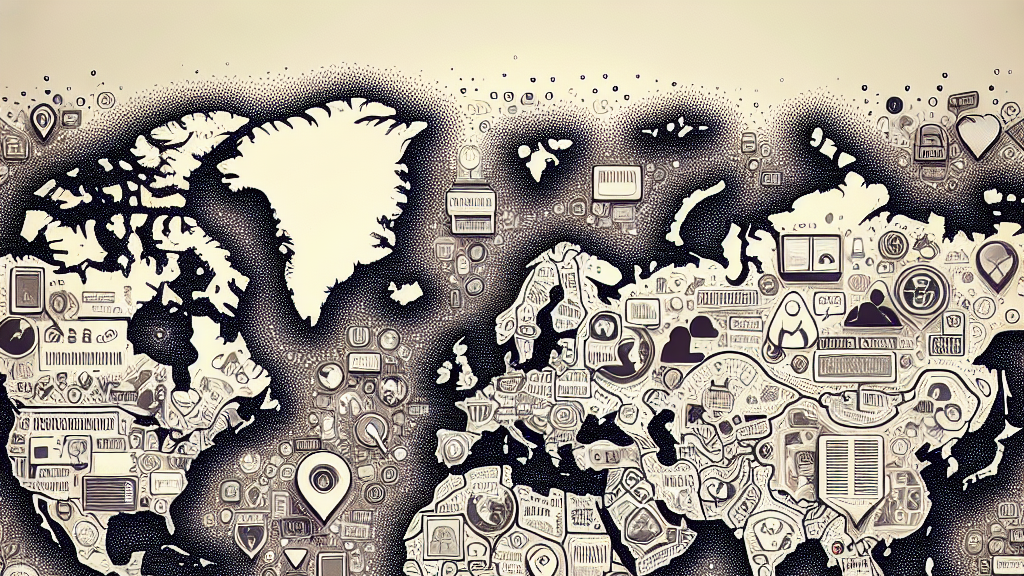
Using a dataset of over 5,600 online posts from 193 countries, the researchers developed a new way to analyze misinformation by examining the motives, narratives, and sources involved. They found that emotions like fear and the lure of political or financial gain can turn ordinary stories into dangerous misinformation. The study also mapped out the different types of storytellers—individuals, organizations, and media outlets—each contributing to the spread of false news.
Imagine a world where your social media feed is free from misleading posts. By understanding the patterns and motives behind misinformation, governments and tech companies can create smarter policies and tools to fight fake news. This means safer, more trustworthy online spaces for everyone, ultimately shielding us from the harmful effects of false information on public perception and health.
Did you know? Over 5,600 online posts from around the world were analyzed to understand how misinformation about COVID-19 spreads!
FAQs
What is the main focus of the misinformation study?
The main focus is on analyzing how conspiracy theories, fake remedies, and false reports about COVID-19 spread online and influence public perception.
How does this research connect to real-world implications?
By understanding the motives and narratives behind misinformation, this research helps inform public policy and health communication strategies, aiming to reduce the spread of false news and protect public health.
What was the dataset used for the misinformation study?
The study analyzed 5,614 posts from 2020 that contained misinformation about COVID-19, sourced from 427 online platforms across 193 countries and in 49 languages.
Why is it important to understand motives behind misinformation?
Understanding the motives, such as fear, politics, and profit, helps identify why misleading claims spread and can inform targeted intervention strategies to combat misinformation effectively.
What potential roles do different sources play in spreading misinformation?
Different sources, including individuals, state-based organizations, and media outlets, have varied influences in spreading false information, which the study highlights to guide more focused approaches in tackling misinformation.
Background
Misinformation refers to false or misleading information spread without intent to deceive. During the COVID-19 pandemic, misinformation about the virus, potential remedies, and government responses surfaced, creating confusion and panic. To address this, researchers need to explore not just the content of these stories but also the underlying motivations and how these false narratives spread across different media platforms.
History
The battle against misinformation isn’t new; it dates back to efforts to combat propaganda and sensational journalism. With the rise of the internet, particularly social media, the speed and reach of misinformation have exponentially increased. Previous studies have focused on misinformation’s effects on electoral processes and public opinion. This research builds on these earlier studies by specifically examining the impact of misinformation during the COVID-19 pandemic, a global health crisis.
Based on “Dynamics of COVID-19 Misinformation: An Analysis of Conspiracy Theories, Fake Remedies, and False Reports” by Nirmalya Thakur, Mingchen Shao, Victoria Knieling, Vanessa Su, Andrew Bian, Hongseok Jeong, available on arXiv (arxiv.org/abs/2503.14765), used under CC BY 4.0 (creativecommons.org/licenses/by/4.0/).