Fake news isn’t a new issue, but it’s become a global concern thanks to social media and the COVID-19 pandemic. With people turning to these online sources for information, the spread of unverified news has skyrocketed, sparking a rush of new laws to control misinformation. This isn’t just about blocking bad content; it’s a battle of how to balance freedom of speech with the need for reliable, safe information online. And countries around the world are taking very different approaches to this challenge.
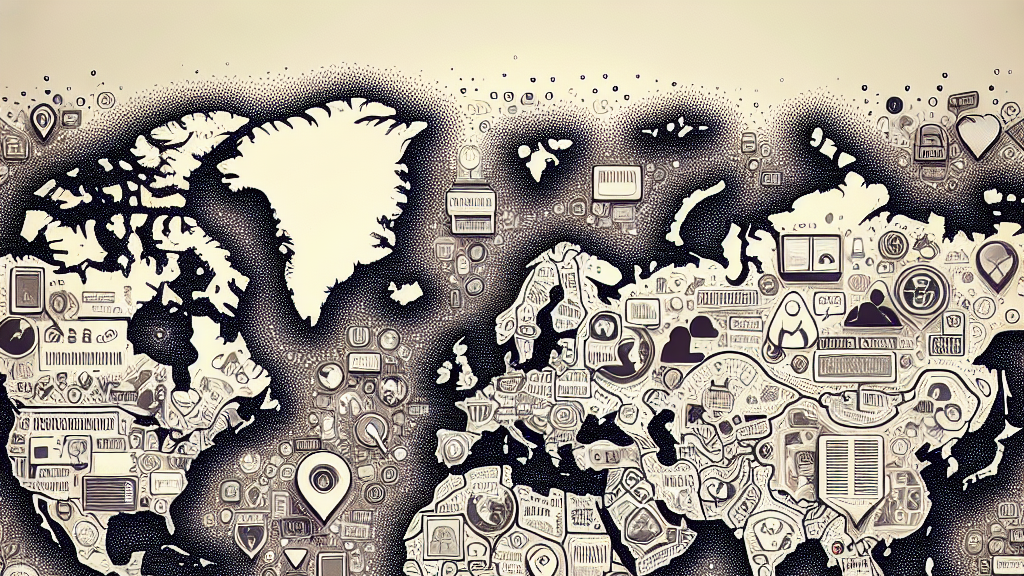
Research shows that countries with fewer civil liberties and lower incomes were the first to draft such laws, primarily focusing on national security. Interestingly, the spread of the internet itself wasn’t the main factor pushing these regulations. Instead, it was the urgent need to protect public health and secure their nations that drove governments to act. But the most significant change now is in Western countries, which are rapidly adopting their own rules against false information, showing that this need is becoming a truly global phenomenon.
The big question is no longer if but how we should regulate fake news. Should governments have stricter control, or should other methods be used? Imagine a future where every country has its own set of rules for online content. This could change not only how we access information but also how we interact with each other online. So, whether it’s fact-checking policies or a more transparent way to share news, the changes are coming, and they’ll shape the digital world we know today in surprising ways.
Did you know that more laws against fake news popped up in 2020 than ever before, mostly focusing on public health?
FAQs
What is the main reason for the new laws against fake news?
Countries are creating new laws mainly to protect public health and national security, especially after the spread of misinformation during the COVID-19 pandemic.
How did less free countries lead in creating online misinformation laws?
Less free countries, with fewer civil liberties, were among the first to make laws against misinformation to safeguard national security without facing heavy constraints on government action.
Why is the growth of such laws now steepest in Western states?
Western states have recognized the global need to regulate misinformation, spurred by the pandemic and the rapid spread of false information online, leading to a surge in their legislative responses.
How might these laws affect how we use social media?
As these laws evolve, social media platforms may have to implement stricter guidelines and content monitoring, impacting how information is shared and consumed online.
Is internet penetration a major factor in creating misinformation laws?
Surprisingly, internet penetration hasn’t been a significant factor in creating these laws; it’s more about addressing urgent needs like national security and public health.
Background
Fake news has been around for centuries, but the rise of the internet and social media has made it easier to spread than ever before. When you combine this with the anxiety and uncertainty during a global event like the COVID-19 pandemic, misinformation becomes a critical issue. Understanding how different countries respond with laws to deal with fake news involves looking at how they prioritize public safety and national security over civil liberties.
History
The conversation around misinformation isn’t new. It has roots in early media like newspapers where sensationalist headlines sold more copies. With the internet, the spread of information—true or false—exploded. Initially, countries with lower civil liberties were quicker to create laws to control this spread, mainly for security reasons. But since 2020, especially during the pandemic, Western countries have joined in, realizing the broader impact of disinformation on society.
Based on “Lawful but Awful: Evolving Legislative Responses to Address Online Misinformation, Disinformation, and Mal-Information in the Age of Generative AI” by Simon Chesterman, available on arXiv (arxiv.org/abs/2505.15067), used under CC BY 4.0 (creativecommons.org/licenses/by/4.0/).