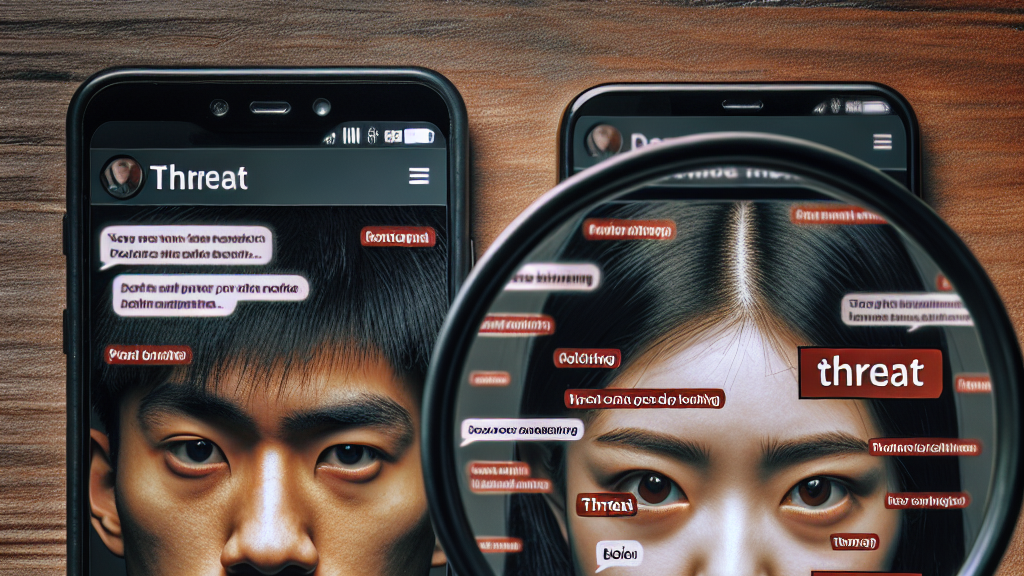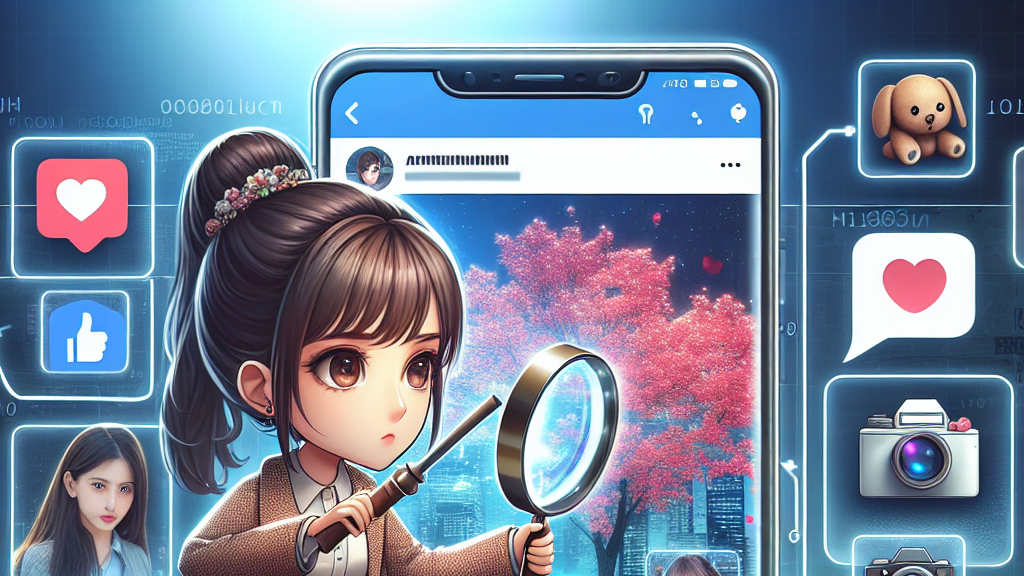
Today, it’s harder than ever to tell what’s real and what’s not in our online worlds. AI-generated fake images are everywhere on social media, fooling even the sharpest eyes and spreading misinformation like wildfire. This matters because every time we mindlessly scroll, we’re exposed to these potential deceptions without even knowing it. It’s like being in a digital masquerade ball where no one can tell who’s behind the mask.
Enter TrueFake, a massive dataset of 600,000 images designed to tackle this digital conundrum head-on. It tests the abilities of state-of-the-art fake detection tools, challenging them to identify AI-generated images after they’ve been shared on social media platforms like Facebook and Instagram. These platforms tend to compress images, sometimes erasing the subtle clues that detectives would use to identify a forgery, which is why TrueFake is so crucial. It essentially puts our current forensic tools through a real-world test, revealing how well they perform when faced with the rough-and-tumble world of online sharing.
Imagine a future where your social media app not only suggests friends but also warns you about potentially fake images in your feed. This research is pushing us closer to that reality by showing what strategies work best in identifying fake images shared across social platforms. This means someday soon, you might not only be entertained by your social feed but also be more informed and safeguarded against the spread of misinformation.
Did you know that AI can create fake images so convincing, even experts can be fooled without sophisticated tools?
FAQs
How does AI-generated image detection work on social media?
AI-generated image detection on social media involves using forensic tools to identify digital fingerprints and cues that suggest an image has been artificially created. However, platforms often compress images, making it harder to detect these cues.
Why is the TrueFake dataset important for fake image detection?
The TrueFake dataset is crucial because it provides a massive collection of AI-generated images shared on social media, offering a realistic testbed for evaluating and improving detection techniques under real-world conditions.
What are the challenges of detecting AI-generated images online?
Detecting AI-generated images online is challenging due to image compression and processing on social media, which can obscure the subtle clues used by detectors. This makes it more difficult to differentiate fake images from real ones.
How can improving detection of fake images affect our daily lives?
Improving the detection of fake images can enhance the reliability of information we consume daily, reducing the spread of misinformation and making social media a safer place for accurate news and content sharing.
What strategies help improve fake image detection on social media?
Strategies that help improve fake image detection include adapting forensic tools for post-compression analysis and incorporating AI techniques that learn to recognize patterns in AI-generated content after being shared online.
Background
AI-generated synthetic media refers to images or videos created by artificial intelligence algorithms to resemble real media. These are often high-quality and can be used to deceive viewers. Forensic tools are software used to analyze digital media and verify their authenticity. However, the compression and processing by social media platforms can remove or alter the subtle markers that these tools detect, making it a challenge to identify fakes in everyday posts.
History
The concept of AI-generated images took off with advancements in machine learning, particularly with the development of Generative Adversarial Networks (GANs), which can create realistic-looking images from scratch. As these technologies have matured, they’ve started to be used not only for legitimate creative purposes but also for spreading misinformation. Prior studies have focused on detecting such images in lab settings, but TrueFake is one of the first to provide a comprehensive testbed under real-world conditions.
Based on “TrueFake: A Real World Case Dataset of Last Generation Fake Images also Shared on Social Networks” by Stefano Dell’Anna (University of Trento, Trento, Italy), Andrea Montibeller (University of Trento, Trento, Italy), Giulia Boato (University of Trento, Trento, Italy, Truebees srl, Trento, Italy), available on arXiv (arxiv.org/abs/2504.20658), used under CC BY 4.0 (creativecommons.org/licenses/by/4.0/).