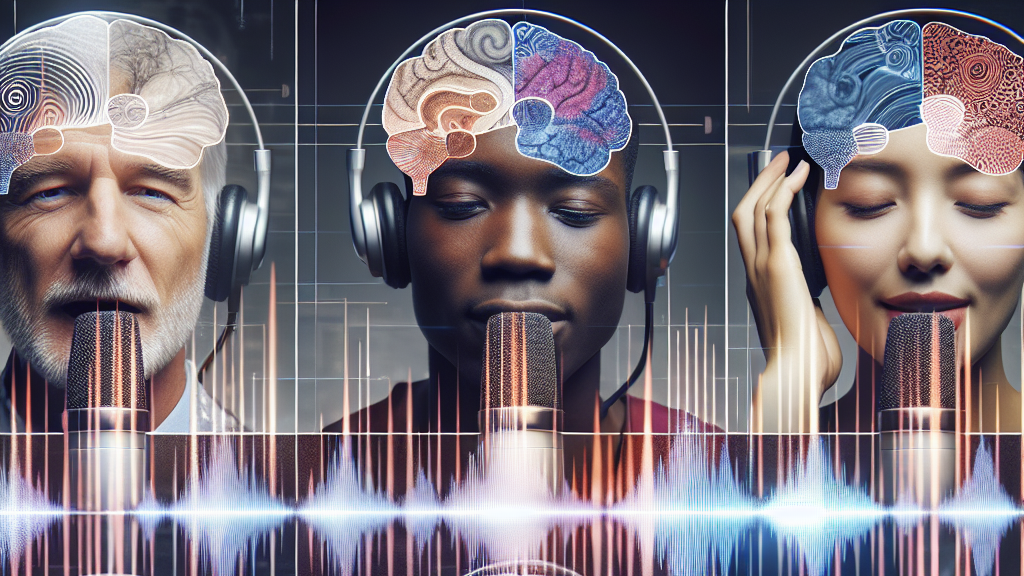
AI red-teaming is a fascinating concept that plays a central role in preventing AI models from causing harm. But there’s a hidden aspect to this work that often goes unnoticed: the emotional toll it can take on the people involved. Red-teaming involves stepping into the shoes of potential malicious users to test AI behaviors, which can be mentally taxing.
The study highlights how this kind of work, despite being crucial, can lead to stress and mental health issues similar to those experienced by actors, therapists, or war photographers who deal with intense emotional situations. The unique nature of interacting with AI requires these red teamers to engage in challenging mental exercises that can affect their well-being.
Imagine if companies took a more serious approach to supporting these teams, using strategies from other fields. By implementing mental health safeguards, they can ensure AI red teamers remain sharp and motivated. This not only helps the teams but also ensures AI systems remain safe for everyone. In the future, such a supportive environment could be standard in workplaces dealing with high-stakes tech development.
Did you know? AI red-teamers face mental health challenges similar to actors and conflict photographers because of the intense role-playing required in their work.
FAQs
What makes AI red-teaming necessary for AI safety?
AI red-teaming is essential because it simulates potential malicious uses of AI systems, helping to identify and prevent harmful outputs before they reach the public.
How does AI red-teaming affect mental health?
The mental health of AI red teamers can be affected due to the intense role-playing and adversarial scenarios they engage in to test AI systems, which may lead to stress and emotional exhaustion.
What strategies can protect the mental health of AI red-teamers?
Strategies from similar fields like mental health professionals or content moderators, such as regular mental health check-ins, peer support groups, and stress management training, can be adapted to help AI red-teamers cope with their unique challenges.
Can improving mental health support enhance AI safety?
Yes, improving mental health support for AI red teamers can lead to better performance and diligence in their work, ultimately enhancing the overall safety of AI systems.
Why is addressing AI red-teamers’ mental health a workplace safety concern?
The mental health of AI red teamers is a workplace safety concern because their well-being directly impacts their ability to effectively test and ensure AI systems do not produce harmful content.
Background
AI red-teaming involves using a group of experts to intentionally stress-test AI models by simulating potential threats. This practice aims to expose vulnerabilities and ensure the AI behaves safely in unpredictable situations. It’s an interactional approach resembling a mental exercise similar to role-playing, requiring individuals to envision and simulate potentially harmful scenarios to see how the AI might respond.
History
The practice of red-teaming has its roots in military exercises where a ‘red team’ was used to mimic the enemy to expose security flaws. This concept has evolved and is now applied in various sectors like cybersecurity and AI development. In AI, the need for red-teaming has grown with the increasing complexity and opacity of AI models, as these systems can sometimes unpredictably generate harmful outputs, necessitating this unique form of testing.
Based on “When Testing AI Tests Us: Safeguarding Mental Health on the Digital Frontlines” by Sachin R. Pendse, Darren Gergle, Rachel Kornfield, Jonah Meyerhoff, David Mohr, Jina Suh, Annie Wescott, Casey Williams, Jessica Schleider, available on arXiv (arxiv.org/abs/2504.20910), used under CC BY 4.0 (creativecommons.org/licenses/by/4.0/).