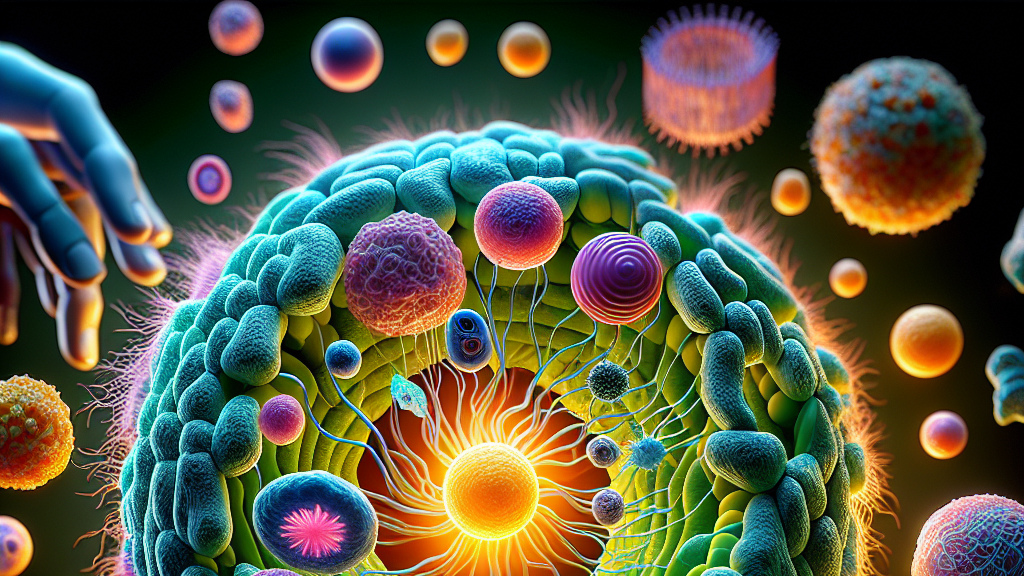
Did you know that ancient viruses might have played a key role in shaping the diversity of life we see today? Imagine a time during Earth’s history when viral outbreaks caused shared genetic changes, setting the stage for the creation of new species. This isn’t just science fiction—it’s an exciting theory that suggests viruses could have acted as creative forces of life, triggering waves of new species.
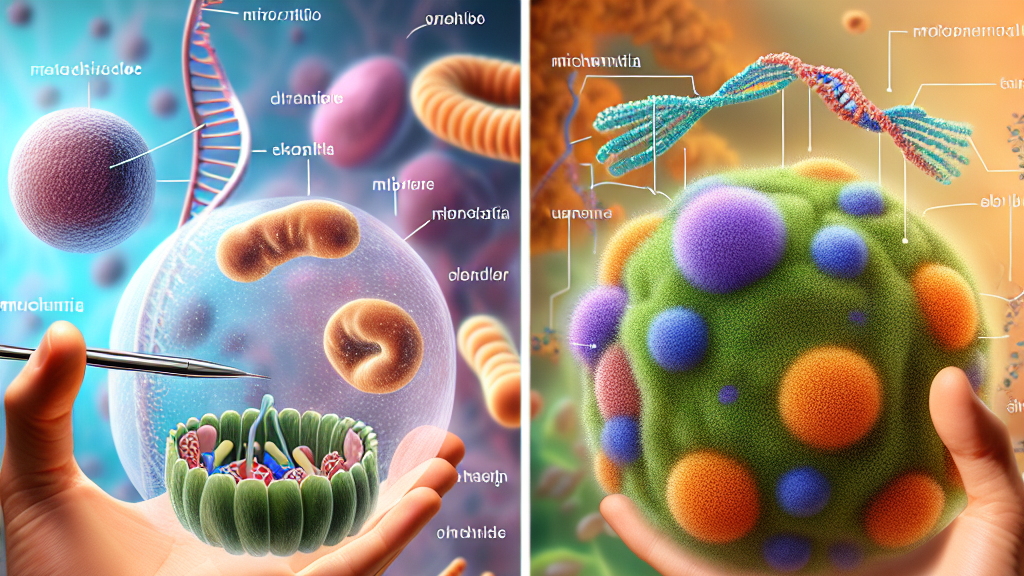
Mobile genetic elements, such as endogenous viruses and other sequences, can embed themselves into the DNA of different genomes, even crossing species lines. When viruses integrate with their host’s genetic material, they sometimes bring along genes or regulatory elements that could be repurposed by the host organism. This integration can lead to major genetic rearrangements, potentially launching groups of individuals into becoming the founders of completely new species. Fascinatingly, synchronized viral outbreaks could make these genetic changes widespread enough to result in new evolutionary paths.
Imagine the planet teeming with creatures, and a viral epidemic sweeps through, sparking genetic changes in enough individuals across a population. Over time, these changes help isolate the group from others, nudging them down a path towards becoming a distinct species. It’s a powerful idea that could explain rapid diversification events in Earth’s history. So next time you think about viruses, recognize not just their threat, but their potential role as invisible architects of life.
Some viruses can ‘jump’ from one species to another, potentially causing major genetic shifts, proving that viruses are not only threats but also evolutionary game-changers.
FAQs
How do viruses influence species formation?
Viruses can integrate into the host’s DNA, causing genetic changes. These changes may isolate a group genetically from others, potentially leading to the formation of a new species.
What is an endogenous viral element?
An endogenous viral element is a sequence in a host’s DNA that originated from an ancestral viral infection, becoming part of the organism’s genome over generations.
How did ancient viruses contribute to evolution?
Ancient viruses may have triggered bursts of species creation during evolutionary history by integrating into host genomes and causing widespread genetic changes during outbreaks.
Could viruses still affect species formation today?
Yes, viruses continue to have the potential to influence genetic changes within species, although the implications for species formation are complex and often hard to predict.
What is an example of a dramatic change caused by a virus?
Famous examples include the ancient viral integrations that have shaped human genomes, contributing to immune system evolution and other critical genetic traits.
Background
Mobile genetic elements are segments of DNA that can move around to different places within a genome. This includes certain types of viruses, known as endogenous viral elements, which integrate into the DNA of the host organism. Sometimes an integrated virus stays within the genome and can be passed down to future generations, becoming part of the host’s genetic material. These integrated viral sequences can affect how genes are regulated or expressed, sometimes leading to significant changes in the host’s genetic makeup.
History
The idea of genetic change through viral elements dates back to the discovery of mobile genetic elements themselves. Nobel laureate Barbara McClintock first discovered these elements in maize during the 1940s, coining the term ‘transposable elements.’ Over time, scientists began to recognize the potential of viruses not just as agents of disease but as significant contributors to genetic evolution. This work builds on that legacy, suggesting that viral epidemics could have driven rapid species diversification in Earth’s history, like after the dinosaurs went extinct.
Based on “Viral Hitchhikers and Macroevolution: A Novel Hypothesis on Explosive Speciation” by Mario E. Lozano, Marcela G. Pilloff, available on arXiv (arxiv.org/abs/2506.04511), used under CC BY 4.0 (creativecommons.org/licenses/by/4.0/).