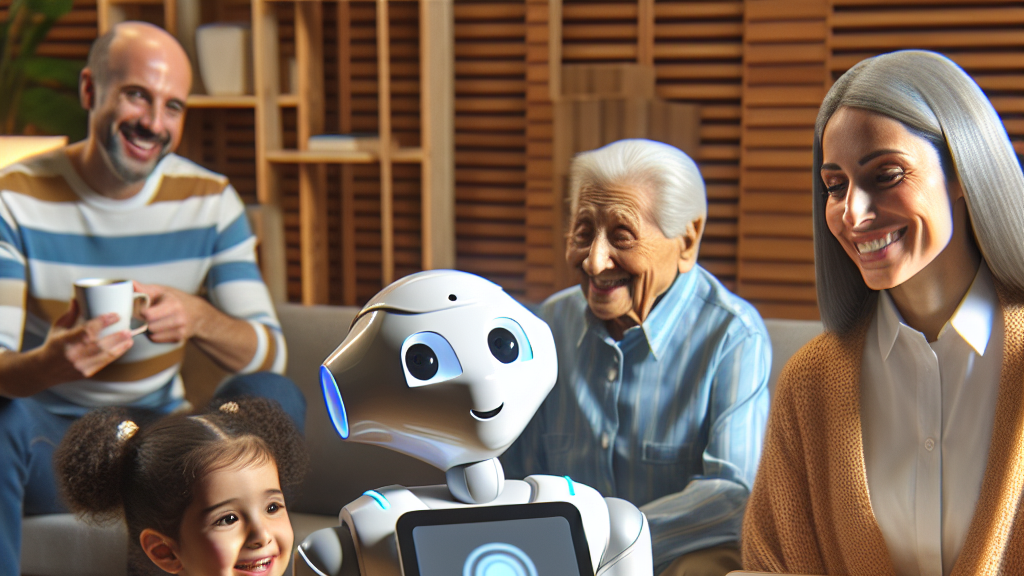
Picture a world where your computer or phone can understand how you feel and respond to your emotions. This isn’t a scene from a futuristic movie, but a reality that’s closer than you think. Researchers are investigating how emotionally responsive artificial intelligence (AI) is becoming part of our everyday interactions, changing the way we learn, heal, and even experience digital life. As cool as it sounds, it’s crucial to understand both the benefits and the risks of these tech-savvy companions.
At the heart of this research are four key themes: the ethical conundrums, the social and cultural shifts in how we interact with machines, the potential impacts on vulnerable groups, and the technical and regulatory challenges we face. Think about it—AI could help your kids with their homework by giving real-time emotional support, or it might keep lonely seniors company. But what happens if it misreads emotions, or even manipulates how we feel? These tech systems are getting more advanced, and it’s essential to ensure they’re used responsibly and safely, especially for people who might heavily rely on them.
So, how might this affect you in the future? Imagine having an AI friend that monitors your mood to provide the right kind of support when you’re feeling down or helps guide your educational journey based on how engaged you are during a lesson. This cutting-edge AI could bring great change to how we handle education, mental health, and personal well-being. However, developers and policymakers must protect users with well-thought-out regulations and cultural sensitivity to make sure these AI partners truly understand and respect our diverse experiences and emotions.
Did you know? Emotional AI can potentially reduce loneliness by simulating human-like interactions, offering companionship and support to those in need.
FAQs
What is emotional AI and why does it matter?
Emotional AI refers to technology that can interpret or simulate human emotions. It’s important because it has the potential to transform areas like healthcare, education, and digital interaction by providing personalized and empathetic support, improving mental well-being, and enhancing learning experiences.
How might emotional AI be used in everyday life?
Emotional AI could assist in education by offering real-time feedback based on students’ emotional engagement. It might support mental health by detecting emotional distress and guiding individuals to useful resources. It could also reduce loneliness for the elderly by acting as a companion that interacts in human-like ways.
What are the risks associated with emotional AI?
The risks include potential emotional manipulation, cultural bias in AI responses, over-reliance on technology, and the misinterpretation of emotions. These systems need to be carefully regulated to protect users, especially vulnerable groups like children and the elderly.
Are there any safeguards for users of emotional AI?
Currently, there is a lack of comprehensive cognitive and legal protections for users interacting with emotional AI. The research emphasizes the need for transparency, human oversight, and region-specific adaptations to ensure safe engagement with these technologies.
How can we ensure ethical development of emotional AI?
To ensure ethical development, researchers suggest implementing certification frameworks, encouraging transparency, and involving diverse stakeholders in the design and regulation of AI systems. Longitudinal research is also crucial for understanding the long-term impacts of these technologies.
Background
Emotional AI is built on the idea of creating systems that can understand and respond to human emotions, almost like an emotionally aware friend. This involves complex algorithms and lots of data to recognize patterns in voice, facial expressions, or even typing styles. The goal is to make devices and systems more intuitive and effective in interacting with humans, anticipating needs, and providing comfort or assistance where emotion is a key factor.
History
Emotionally responsive AI is a culmination of years of research into machine learning and natural language processing. Early AI developments focused purely on logical problem-solving. As technology advanced, the focus shifted to making AI more human-like, incorporating emotional intelligence. This field has grown as more applications are developed for areas like customer service, mental health, and education. The increase in data from digital interactions and improvements in AI’s ability to ‘learn’ from those interactions have propelled this research forward.
Based on “Feeling Machines: Ethics, Culture, and the Rise of Emotional AI” by Vivek Chavan, Arsen Cenaj, Shuyuan Shen, Ariane Bar, Srishti Binwani, Tommaso Del Becaro, Marius Funk, Lynn Greschner, Roberto Hung, Stina Klein, Romina Kleiner, Stefanie Krause, Sylwia Olbrych, Vishvapalsinhji Parmar, Jaleh Sarafraz, Daria Soroko, Daksitha Withanage Don, Chang Zhou, Hoang Thuy Duong Vu, Parastoo Semnani, Daniel Weinhardt, Elisabeth Andre, Jörg Krüger, Xavier Fresquet, available on arXiv (arxiv.org/abs/2506.12437), used under CC BY 4.0 (creativecommons.org/licenses/by/4.0/).