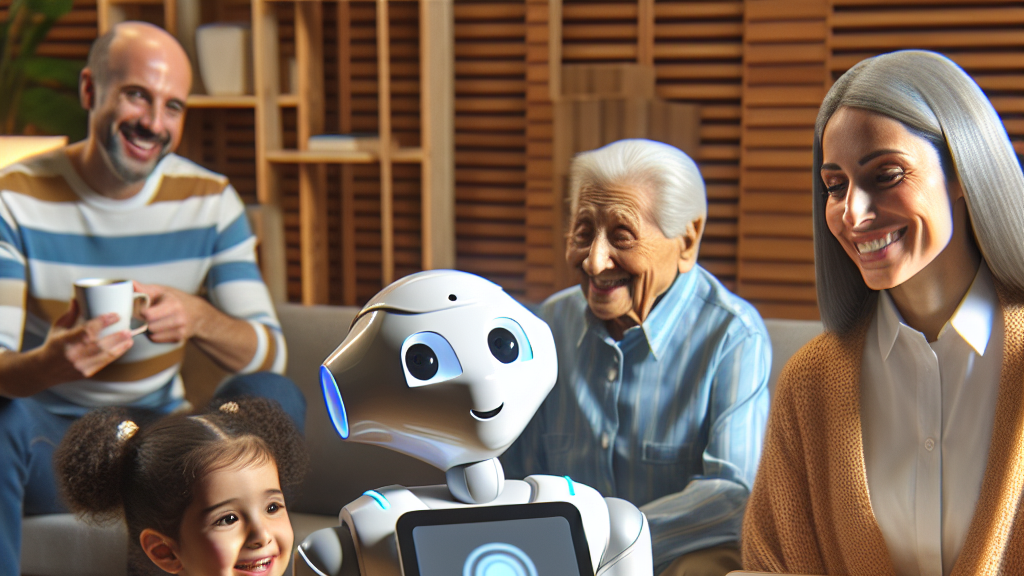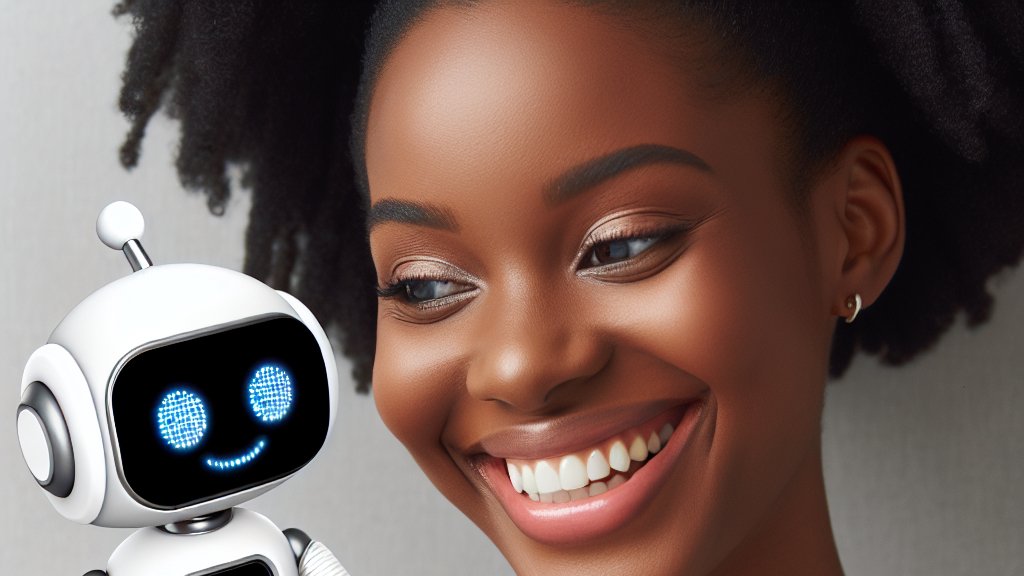
Ever wondered if chatting with an AI could actually make you feel better? Recent research suggests that these digital companions might just be able to lift your spirits! Imagine feeling a little down and having the chance to talk to a friendly chatbot that not only listens but also subtly encourages you to feel more positive about things. This is exactly what scientists discovered when they compared people’s happiness after chatting with AI versus writing in a journal.
The study involved participants having conversations with an AI chatbot about random topics, including tough ones like depression and guilt. Surprisingly, they found that people reported feeling happier after these chatbot interactions compared to journaling. The AI’s secret? It reflects your feelings but has a positive twist, guiding you to a brighter outlook over the conversation. This gradual shift in perception is thought to boost happiness, hinting that having a cheerful buddy in your pocket might just make a difference.
So, what’s the big deal? Imagine an app that helps you process emotions by giving you a positive nudge whenever you’re reflecting on life’s challenges. The potential impact on mental well-being is enormous, making mental health support more accessible to everyone right at their fingertips. It’s like having your own personal cheerleader, boosting your mood when you need it the most!
Did you know? AI chatbots might help you feel happier by gradually shifting your mood toward positivity during a conversation.
FAQs
How do AI chatbots influence happiness?
AI chatbots can influence happiness by reflecting your feelings with a positive twist during conversations. This can help gradually shift your mood toward a more positive outlook.
Why are AI chatbots more effective than journaling for happiness?
AI chatbots actively engage with users and provide real-time feedback, which can encourage a positive shift in emotions. This interaction can lead to greater post-conversation happiness, especially when discussing negative topics.
Can AI really boost mental well-being?
Yes, AI chatbots can boost mental well-being by providing support and positivity during conversations. They offer a convenient way to process emotions and lift your spirits, especially during challenging moments.
What role do sentiment prediction errors play in this process?
Sentiment prediction errors, where there’s a difference between expected and actual emotional tone, help explain the happiness effect by showing how people adjust their expectations and get a mood boost from AI chats.
Is it safe to rely on AI chatbots for emotional support?
While AI chatbots can be a helpful tool for boosting mood, they should not replace professional mental health support. It’s important to use them as a supplement, especially for serious mental health concerns.
Background
Artificial intelligence chatbots are computer programs designed to simulate conversation with users. These chatbots use large language models to understand and respond to text, creating interactive dialogues. In this study, the focus was on how chatting with an AI could affect a person’s mood and happiness, especially when dealing with negative emotions. The research leverages sentiment analysis, a technique that assesses emotions expressed in text, to determine the emotional impact of conversations with these AI companions.
History
The development of AI chatbots has rapidly evolved, beginning with simple task-oriented bots and progressing to sophisticated conversational agents. Earlier studies have explored chatbots in customer service and personal assistance, but their role in emotional well-being is a newer area of research. This study builds on previous work by examining how AI’s ability to interpret and respond to emotions can lead to better emotional outcomes, especially when compared to traditional methods like journaling.
Based on “Increasing happiness through conversations with artificial intelligence” by Joseph Heffner, Chongyu Qin, Martin Chadwick, Chris Knutsen, Christopher Summerfield, Zeb Kurth-Nelson, Robb B. Rutledge, available on arXiv (arxiv.org/abs/2504.02091), used under CC BY 4.0 (creativecommons.org/licenses/by/4.0/).