Connect with us

Search by keyword

Computers

Could AI Art Be Reinforcing Stereotypes?

AI art is getting incredibly realistic, but it might be unintentionally reinforcing stereotypes and biases we see in society. This research explores these patterns and calls for more inclusive practices to make the digital world fairer for everyone.

Could AI Art Be Reinforcing Stereotypes
✨Researched by humans. Explained by robots. Learn more.

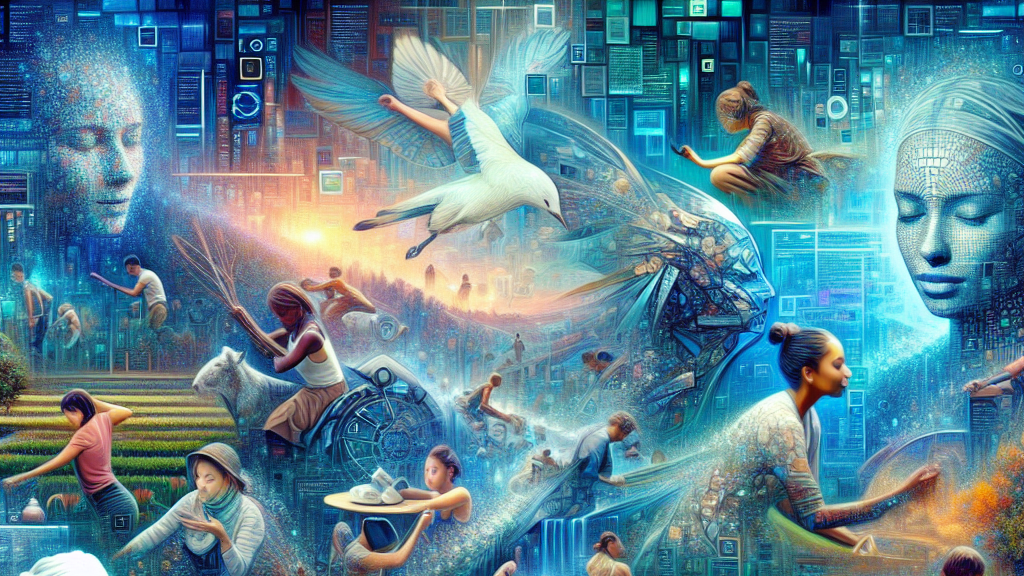
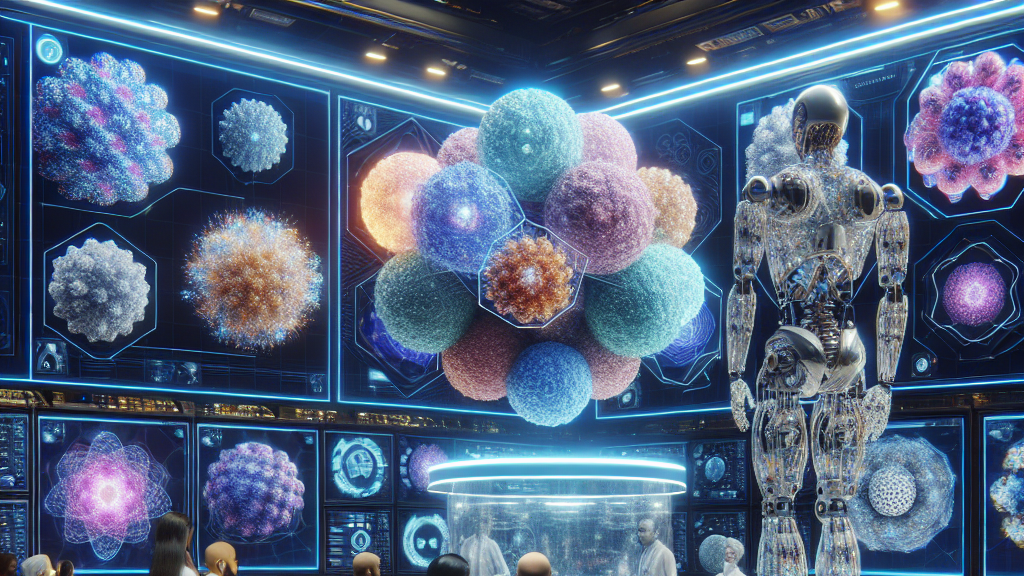
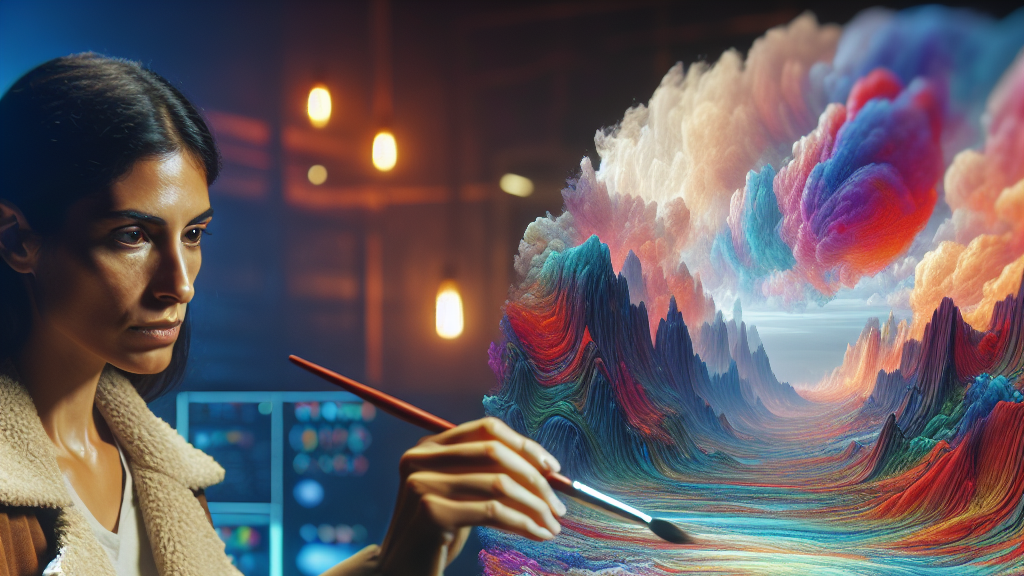
AI-generated art is rocking the world of digital creativity, allowing people to create stunning images from simple text prompts. Imagine just typing a description and instantly having a beautiful, realistic image appear! But here’s the catch—what if these AI tools are unintentionally reinforcing stereotypes and biases that we’ve been trying to overcome in society? That’s the concern that some researchers are diving into right now.

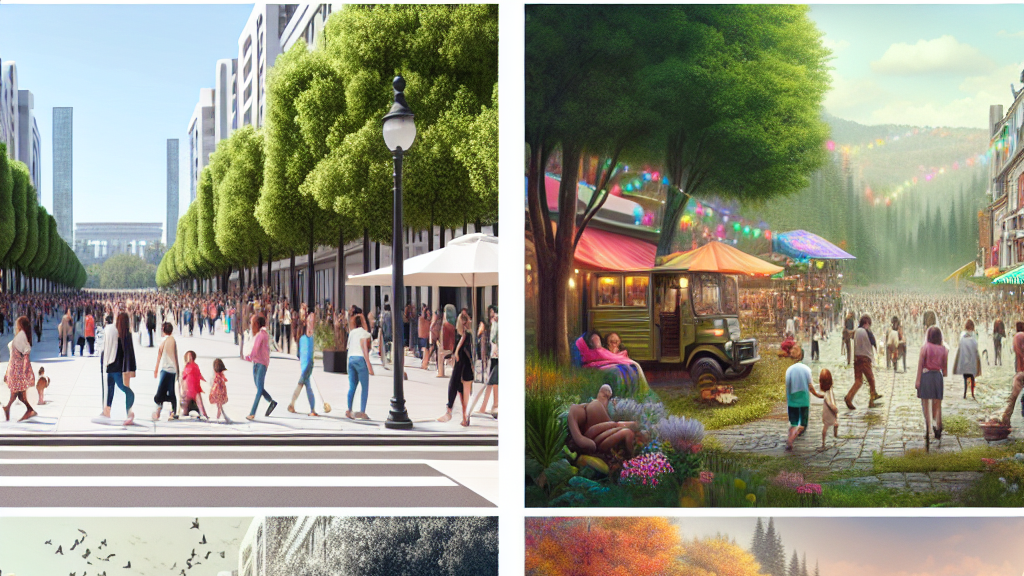
In a recent study, researchers created various AI-generated images using popular tools like Stable Diffusion and Flux-1. They used a wide array of prompts touching on themes like jobs, emotions, family roles, and even spirituality to see how these AI models would visualize them. After generating over 16,000 images and comparing them to thousands of real-life images from Google Search, one surprising outcome was that the AI-generated images often represented people in a way that mirrored societal stereotypes related to gender, race, age, and body type.

So, why does this matter? Well, imagine what could happen if we continue to use these AI tools without addressing these biases. They could influence everything from advertising campaigns to educational materials, shaping how people view themselves and others in negative ways. But there’s hope! By creating more inclusive datasets and refining how these AI models are developed, we can ensure a more accurate and fair representation of all people, making our digital world a better place for everyone.

Did you know that AI models can unintentionally recreate and amplify societal stereotypes just by processing the data we feed them? It’s like showing a funhouse mirror version of society!

FAQs

What is the main concern about AI-generated art?

The main concern is that AI-generated art could reinforce and amplify societal stereotypes and biases, impacting how people view certain groups.

How was this research on AI models and societal bias conducted?

The study involved generating over 16,000 images using AI models with various prompts and comparing them to real-world images from Google Search to identify patterns of bias.

What specific biases were observed in AI-generated images?

Disparities in AI-generated images often mirrored societal stereotypes related to gender, race, age, and body type, among other human-centric factors.

How can we address biases in AI-generated art?

To minimize biases, it’s crucial to develop more inclusive datasets and refine AI model development practices to ensure fairer representation in generated content.

Why is it important to tackle bias in AI art?

Addressing bias in AI art is vital to prevent stereotypes from influencing areas like advertising, education, and digital media, leading to more accurate and fair representations.

Background

Text-to-Image models are a type of artificial intelligence technology capable of creating visual content from simple text descriptions. These models are trained on vast datasets of images and texts to understand and generate realistic pictures. However, they rely heavily on the quality and diversity of the data they’re trained on, which can lead to biases if the data reflects societal stereotypes.

History

Text-to-Image models have evolved from basic image generation algorithms to sophisticated AI systems capable of rendering highly realistic visuals. Stable Diffusion and Flux-1 are among the leading models in this field, utilizing different approaches to achieve their results. With the growing concern about AI biases, this research builds on past studies that highlighted issues in machine learning applications and suggests ways to improve fairness.

Based on “Hidden Bias in the Machine: Stereotypes in Text-to-Image Models” by Sedat Porikli, Vedat Porikli, available on arXiv (arxiv.org/abs/2506.13780), used under CC BY 4.0 (creativecommons.org/licenses/by/4.0/).


Trending

Latest

Can AI Save Water Discover How

Computers

AI is transforming the tech world, but it uses lots of water! A new tool, SCARF, helps us measure and reduce AI's water footprint,...

Whats a Forbush Decrease and Why Should We Care Whats a Forbush Decrease and Why Should We Care

Space

Scientists just observed the biggest solar storm event in years, revealing unexpected cosmic ray patterns. Understanding these changes could help us protect our technology...

Can Cars Spot Danger Faster Than Humans Can Cars Spot Danger Faster Than Humans

Computers

Think about how quickly you react when something unexpected happens on the road. This research brings us closer to creating self-driving cars that can...

Can Fear of the Other Stop Social Harmony Can Fear of the Other Stop Social Harmony

Physics

Fear of the unknown might make it harder for people to agree and get along. This study shows that when people have strong xenophobic...

Can AI Revolutionize Breast Cancer Diagnosis Can AI Revolutionize Breast Cancer Diagnosis

Electricity

This research introduces a groundbreaking AI model that can accurately assess HER2-positive breast cancer using widely accessible staining methods, potentially revolutionizing how we diagnose...

Can AI Transform Your Singing into a Choir Can AI Transform Your Singing into a Choir

Computers

Imagine singing solo and having AI turn you into a choir. This research unveils a groundbreaking AI tool that transforms your voice into rich...

You May Also Like

Computers

AI-created images might look cool, but they can hide a sneaky secret: reinforcing stereotypes about gender, race, and more. This research digs in to...

Computers

This research delves into how AI-generated images can reinforce societal biases, urging for more inclusive practices to ensure fair and diverse representation. It examines...

Computers

This research delves into how we assign blame for failures, revealing that whether we pin it on effort or external factors like luck can...

Computers

Imagine an AI that can identify individual sounds from a noisy environment without any specific training! This breakthrough in sound separation means our devices...

Computers

Ever wonder how AI might expose human biases we barely notice? Research is now using AI to make our society's hidden stereotypes and rules...

Quantitative Finance

Imagine using artificial intelligence to revolutionize your investment strategies! This research unveils how generative models can shake up finance but also highlights why they're...

Computers

Researchers have found a way to sneakily tweak AI models so they look and act normal but secretly cause chaos in other AI systems....

Materials

Imagine a world where computers think like human experts to create new materials with incredible properties. MatAgent is changing the game by using artificial...

Computers

Imagine telling a computer to draw anything you want just by describing it. This research makes AI-generated images even better aligned with what we...

Copyright © 2024 8ig8rain.

Disclaimer: The content on 8ig8rain.com consists of AI-generated summaries of scientific abstracts from arXiv. Please note that most arXiv abstracts are preprints and may not have undergone formal peer review. While these summaries aim to convey key ideas and potential applications, they are provided for informational purposes only and should not be interpreted as validated scientific findings or professional advice. The summaries are intended to educate, spark curiosity, and inspire further exploration of science.