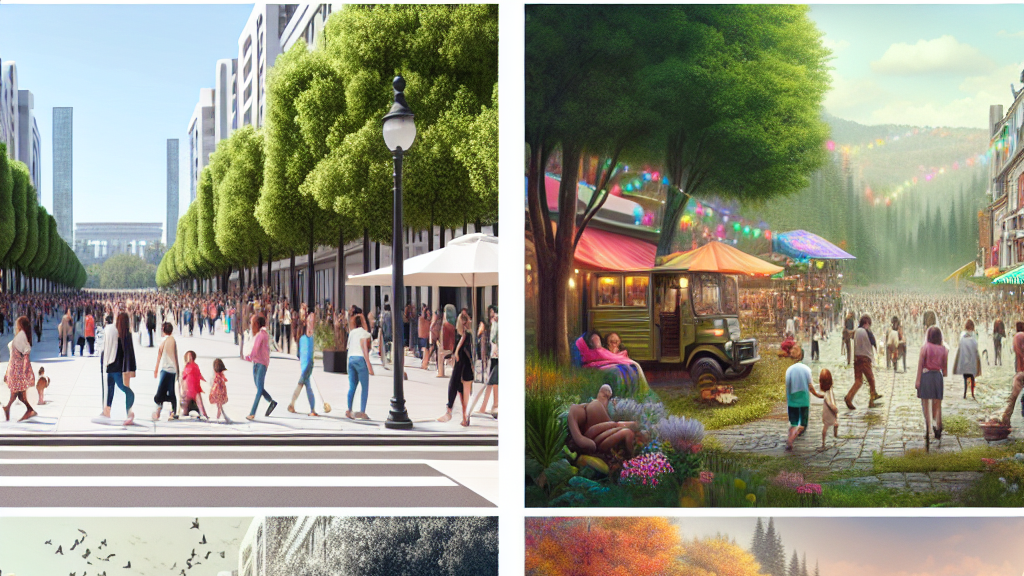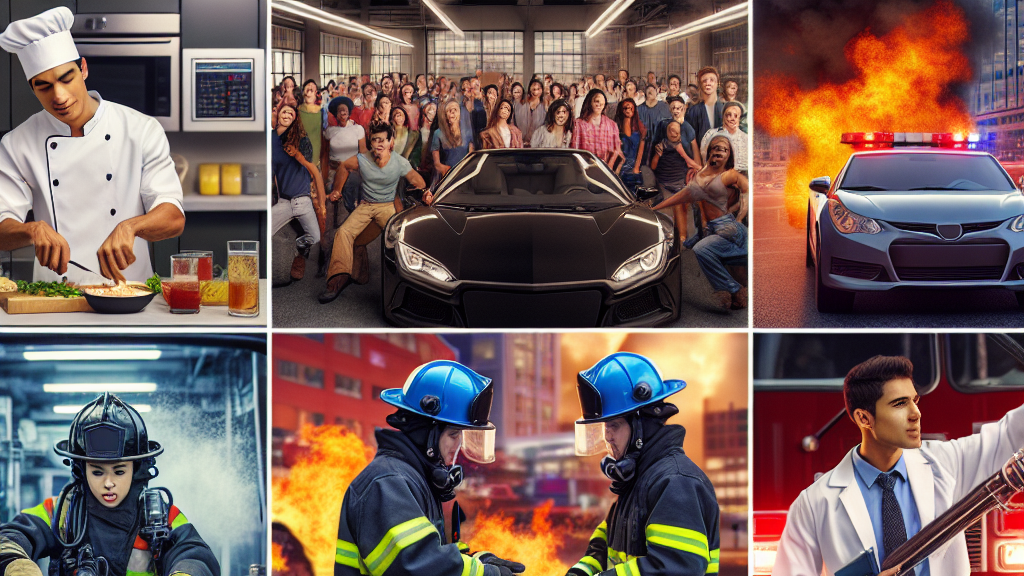
Have you ever wondered if the cool AI art you see online could be reinforcing stereotypes? Well, that’s the question researchers recently explored, diving into how Text-to-Image (T2I) models might be more than just creative tools—they could be subtly shaping the way we view the world around us. By generating thousands of images from simple text prompts, these models can reproduce societal biases, magnifying them in ways we might not even notice at first glance.
In this study, scientists fed a range of prompts into advanced AI models like Stable Diffusion and Flux-1, creating over 16,000 images. They even compared these images to those found through Google Image Search to understand how AI-generated visuals may differ in representing elements like gender, race, and age. Unfortunately, the findings were quite revealing: the AI often mirrored harmful stereotypes present in society. By sticking to existing biases, AI-generated content could reinforce outdated ideas instead of showcasing a broader and more inclusive picture of humanity.
But why does this matter to you? Well, these AI-generated images don’t just stay on computers—they’re influencing media, advertising, and even how we perceive different social roles. Imagine a world where AI art accurately reflects our diverse society, promoting inclusivity and fairness. That dream could become a reality if scientists continue to push for better datasets and fairer practices in AI development. This research is a stepping stone toward that future, reminding us that technology’s art shouldn’t just dazzle our eyes but also represent everyone fairly.
Did you know that AI models can often represent outdated stereotypes more frequently than we’re aware, potentially impacting societal views without us realizing it?
FAQs
How do AI-generated images reinforce stereotypes?
AI-generated images can reinforce stereotypes by reflecting existing biases present in the data they were trained on. When AI models replicate patterns from biased data, they inadvertently replicate and magnify those stereotypes, affecting representation in visual content.
What methods were used to analyze AI biases in image generation?
The study used a careful selection of prompts across various topics and generated over 16,000 images using Stable Diffusion and Flux-1 models. The results were compared to images from Google Image Search to identify disparities in representation based on gender, race, age, and other factors.
What are the practical implications of AI biases in visual content?
AI biases in visual content can impact media representation, marketing strategies, and societal perceptions, potentially reinforcing harmful stereotypes. By addressing these biases, we can foster a more inclusive and fair representation that better mirrors today’s diverse societies.
What steps can be taken to reduce biases in AI-generated images?
To reduce biases, it’s essential to use more inclusive datasets reflecting diverse perspectives and to implement fair development practices. Continuous analysis and refinement of AI models can also help to address and mitigate these biases effectively.
Why is fairness in AI image generation important?
Fairness in AI image generation is crucial as these visuals increasingly influence public perception and cultural narratives. Ensuring that AI-generated content is diverse and inclusive helps prevent the perpetuation of harmful stereotypes and promotes a more equitable society.
Background
Text-to-Image (T2I) models are AI systems designed to convert text prompts into visual images. They’re built using complex neural networks that learn from massive datasets, which can include pre-existing biases from our society. As AI is used more in media, advertising, and art, understanding how these models replicate and magnify societal stereotypes becomes crucial to ensuring fair representation.
History
The evolution of AI-generated images began with simpler algorithms that could only create abstract or distorted visuals. As technology advanced, models like Stable Diffusion and Flux-1 emerged, capable of creating more realistic images from text prompts. Researchers started noticing biases in these outputs, leading to studies focused on understanding and mitigating these biases for fairer visual content generation.
Based on “Hidden Bias in the Machine: Stereotypes in Text-to-Image Models” by Sedat Porikli, Vedat Porikli, available on arXiv (arxiv.org/abs/2506.13780), used under CC BY 4.0 (creativecommons.org/licenses/by/4.0/).