Imagine if a computer could predict and stop cyberbullying before it spirals out of control. With the rise of social media, bullying isn’t just happening in school hallways anymore; it’s on our phones and laptops, affecting the mental health of many, especially those who feel powerless or alone. Researchers have developed an AI model that could be a game-changer in making our digital interactions safer.
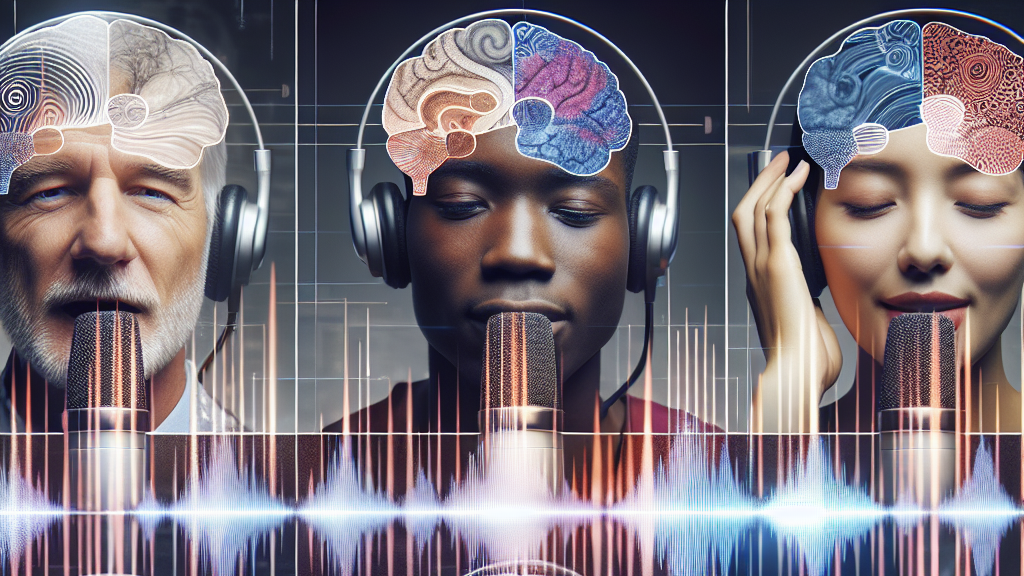
This AI isn’t just looking for mean comments online. It’s smart enough to consider who you are, how you’ve behaved online before, and even your mental state. The model looks at the emotional tone of messages, your past experiences with bullying, and even demographic factors like race and gender. Using 146 different data points, this AI model can categorize the severity of bullying incidents into ‘Not Bullying’, ‘Mild Bullying’, and ‘Severe Bullying’, and does this with an accuracy of 98%! It even uses advanced techniques to explain how it decides what’s bullying and what’s not.
Why does this matter to you? Well, have you ever worried about a friend who’s being bullied or are you a parent concerned about your child’s online experiences? This AI could help keep social media a safer place by stepping in when things get out of hand. In the future, it could work with platforms to guide interventions or alert trusted adults when someone might be in trouble, providing a tool to tackle this digital dilemma head-on.
Did you know? Victims of bullying who have been bullied before are more likely to become targets again online!
FAQs
How does this AI model detect cyberbullying on social media?
By analyzing not just the comments but also considering user-specific attributes like race, gender, previous online behavior, and psychological factors, the AI model categorizes the severity of bullying incidents.
Why is understanding a victim’s demographics important in detecting cyberbullying?
Certain racial and gender groups are more frequently targeted, and this helps the AI understand the context and severity of bullying more accurately, improving its predictions and responses.
What makes this AI model different from other cyberbullying detection systems?
This model integrates a comprehensive analysis of emotional content, user history, and demographic information, achieving high accuracy and offering explanations for its decisions using techniques like SHAP and LIME.
Can this AI model really make social media safer for everyone?
Yes! By accurately identifying and categorizing bullying, it can guide timely interventions to protect victims and maintain a more respectful online community.
Why are previous victims of bullying at greater risk online?
The model’s findings highlight that individuals with past bullying experiences often exhibit psychological vulnerabilities, making them more susceptible to future cyberbullying incidents.
Background
Cyberbullying has become a significant issue with the rise of social media. Psychological factors like self-esteem, along with demographic information, can influence how different users are affected by and perceive bullying. Machine learning models are typically good at identifying negative language but often miss the nuances of individual experiences and backgrounds that can indicate more severe bullying.
History
Earlier attempts at identifying cyberbullying relied heavily on detecting harmful language or trolling in comments. Although these models were useful, they lacked a nuanced understanding of victims’ backgrounds and circumstances. As technology progressed, researchers began to integrate more contextual data, such as psychological and demographic information, to improve detection accuracy. This study expands on this by using an advanced AI model that incorporates these aspects along with emotional content analysis.
Based on “AI Enabled User-Specific Cyberbullying Severity Detection with Explainability” by Tabia Tanzin Prama, Jannatul Ferdaws Amrin, Md. Mushfique Anwar, Iqbal H. Sarker, available on arXiv (arxiv.org/abs/2503.10650), used under CC BY 4.0 (creativecommons.org/licenses/by/4.0/).