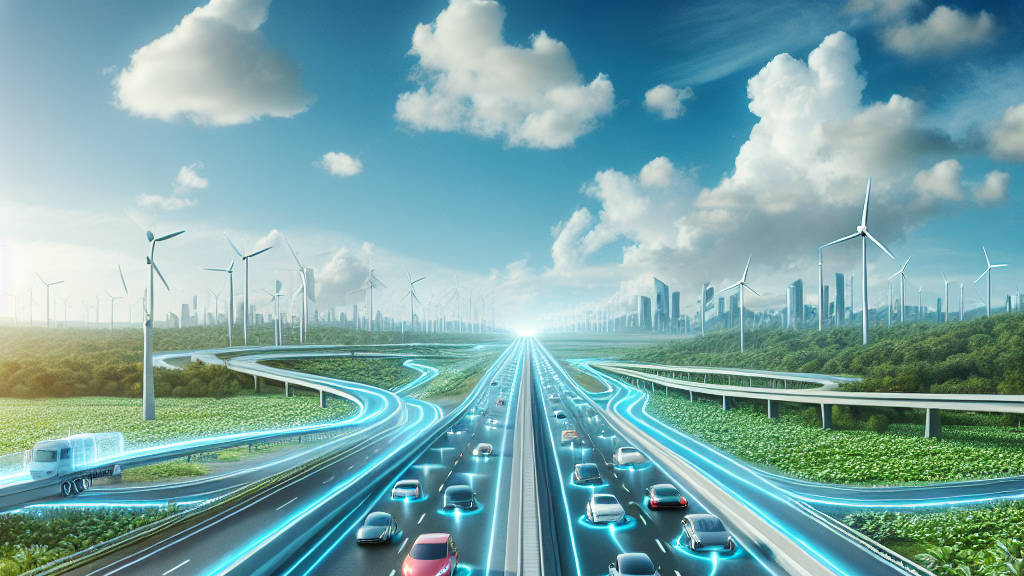
Imagine driving your electric car down the highway and never having to stop to recharge it. Sounds like science fiction? Well, charging while driving lanes are being considered as a futuristic solution to the major hurdles facing electric vehicle adoption. It sounds amazing, but there’s more to the story. While these lanes could ease fears of running out of battery, they might add a new twist to road traffic tales.
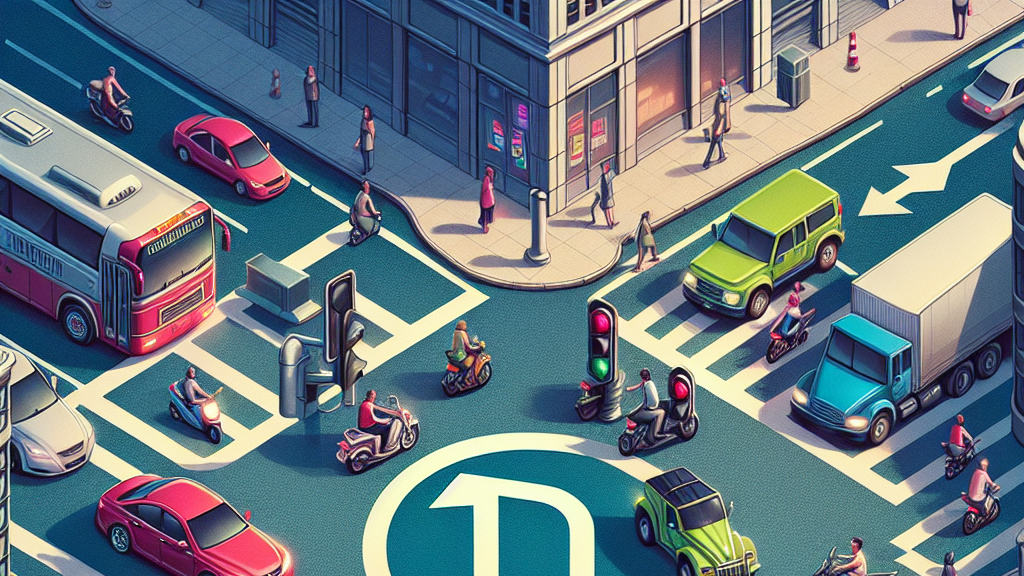
Researchers are exploring how these innovative lanes could change the game for electric vehicles but also shake up traffic patterns. People using electric cars could switch lanes more frequently, eager to use this charging option, potentially leading to more traffic jams and slower travel times. While the idea is to encourage more electric cars on the road, the reality is that if not carefully designed, these lanes could slow everyone down.
But the benefits could be huge. For example, in areas with a high number of electric cars, emissions could drop drastically, cutting pollution levels by over half. Imagine a city with cleaner air and quieter roads! This promising technology could become a significant part of our daily commute if done right, but it demands thoughtful planning and policy-making to truly shine.
Charging while driving lanes could cut pollution levels by up to 63% in areas with many electric vehicles!
FAQs
How do charging while driving lanes impact traffic flow?
Charging lanes can cause more lane-changing maneuvers, leading to increased congestion and slower travel times.
What are the environmental benefits of charging while driving lanes for electric vehicles?
These lanes have the potential to reduce emissions significantly, cutting pollution levels by up to 63% in areas with high electric vehicle penetration.
Why are charging while driving lanes considered a solution for range anxiety in electric vehicles?
Charging lanes can help electric vehicle owners feel secure about battery levels on long trips, encouraging more people to switch to electric cars.
Will the introduction of charging while driving lanes lead to more electric vehicles on the road?
Yes, by reducing range anxiety and making recharging more convenient, these lanes are expected to promote electric vehicle adoption.
What are the challenges of implementing charging while driving lanes?
These lanes require careful design to avoid disrupting traffic flow and to ensure they provide real benefits without causing more congestion.
Background
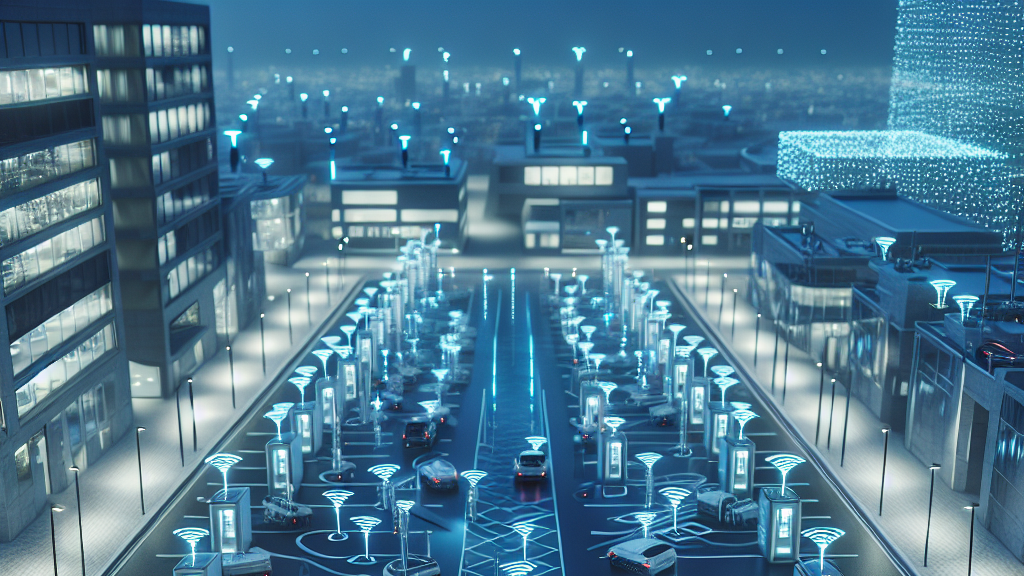
Electric vehicles are paving the way towards cleaner air and reduced dependency on fossil fuels. A major roadblock to their widespread use is range anxiety, or the fear of batteries dying without a charging station nearby. Charging while driving lanes aim to solve this issue by charging cars as they move, using wireless technology embedded in the roads to keep cars powered while on the move.
History
Electric vehicles have increasingly gained attention due to environmental concerns. However, the challenge of effectively recharging these vehicles has remained a fundamental hurdle. Previous studies focused on increasing battery efficiency and installing more charging stations. The concept of charging while driving emerged as technological advancements in wireless energy transfer became possible, presenting a novel approach to powering electric vehicles on the go.
Based on “Charging While Driving Lanes: A Boon to Electric Vehicle Owners or a Disruption to Traffic Flow” by Shayan Bafandkar, Alireza Talebpour, available on arXiv (arxiv.org/abs/2504.14360), used under CC BY 4.0 (creativecommons.org/licenses/by/4.0/).