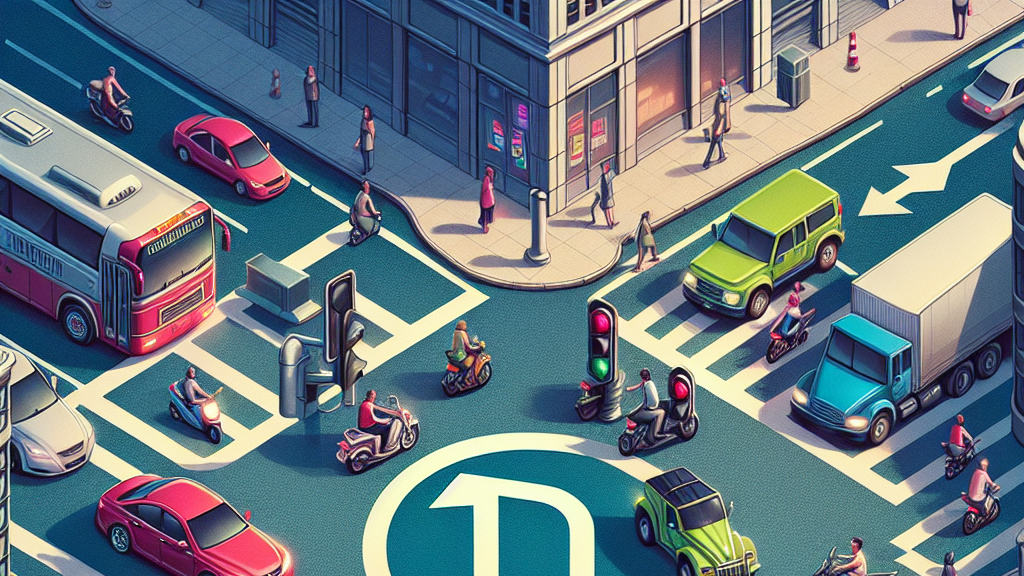
Imagine you’re on your way to work, but every time you approach a U-turn, you get stuck in a bottleneck of traffic or worry about potential accidents. What if the simple act of rethinking these U-turns could make your journey not only faster but also a lot safer? Dive into how smart design choices are revolutionizing how we navigate intersections, ultimately making our daily drives less hectic and more secure.
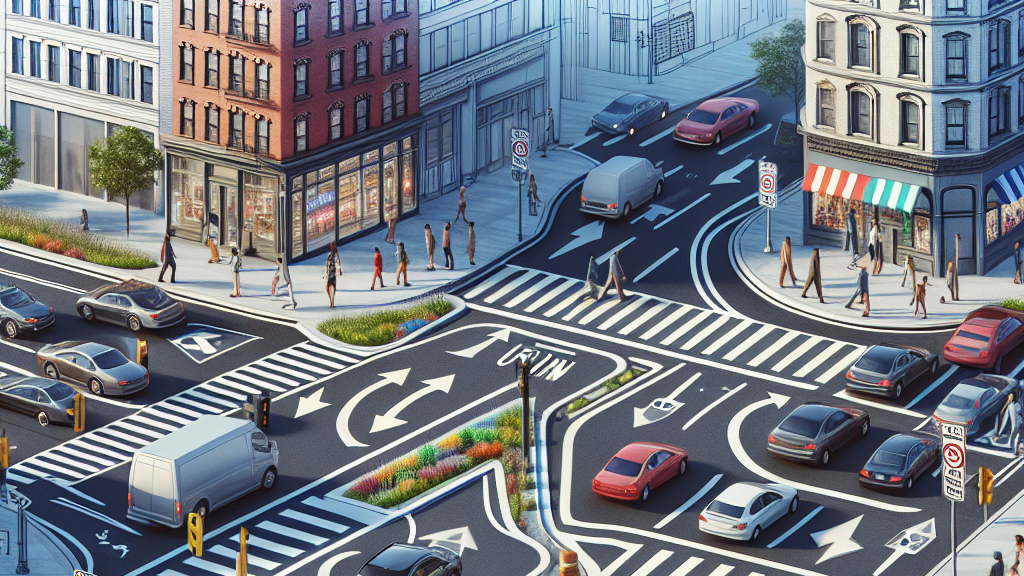
Research has shown that it’s not just about adding more lanes or lights; it’s about strategic design choices like restricted crossing U-turns (RCUTs) and median U-turns (MUTs) that can make a big difference. By drawing insights from diverse studies, experts are finding ways to cut down on accident risks while keeping traffic flowing smoothly. These strategies look at everything from the road’s physical layout to incorporating advanced tech that aids drivers in making safer maneuvers.
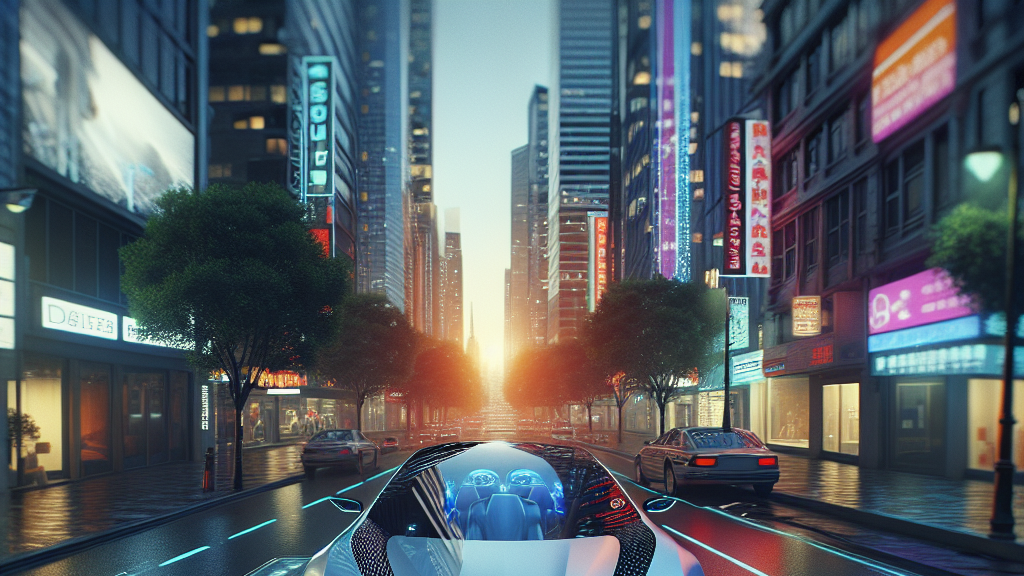
So, how does this affect you? Picture this: fewer red lights, better traffic flow, and a dramatic decrease in accidents at intersections. With these innovative U-turn configurations and cutting-edge technology, future commutes could be seamless and stress-free. Imagine a world where road rage becomes a thing of the past, and your drive feels more like a pleasant cruise rather than a series of frustrating stops and starts.
Did you know that some U-turn designs can reduce intersection crashes by over 50%?
FAQs
What are RCUTs, and how do they improve road safety?
RCUTs, or restricted crossing U-turns, reduce potential conflict points at intersections by rerouting left-turns and promoting safer, more predictable traffic patterns.
How do median U-turns (MUTs) help with traffic flow?
Median U-turns (MUTs) allow left-turning vehicles to first turn right, then make a U-turn at a designated spot, thus streamlining traffic flow and minimizing collision risks at busy intersections.
What role does technology play in safer U-turn designs?
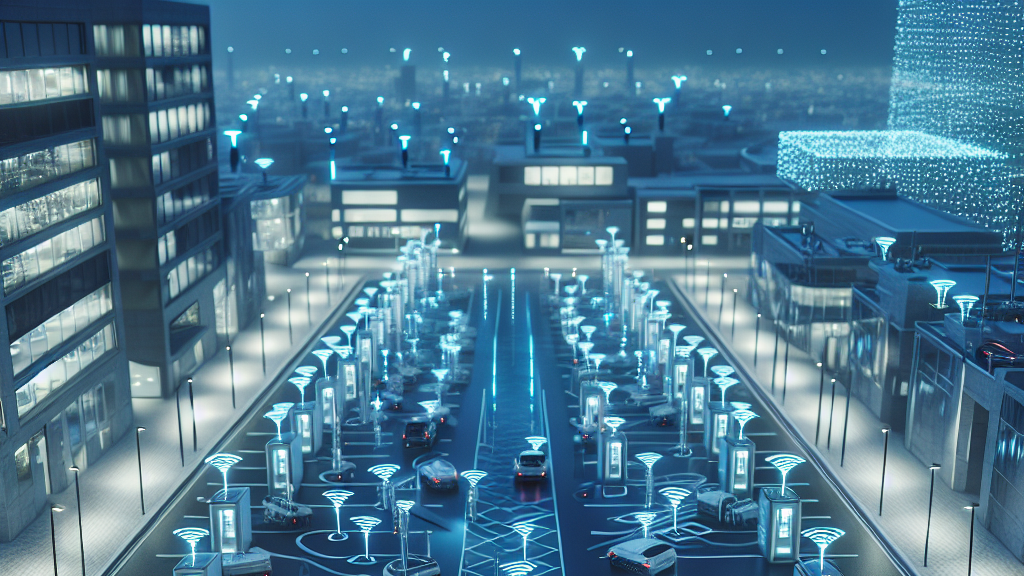
Technology plays a pivotal role by integrating sensors and smart signals to guide drivers safely through turns, enhancing communication between vehicles and traffic systems to prevent accidents.
Why are U-turn design innovations important for cities?
Innovative U-turn designs are crucial for cities as they offer solutions for reducing congestion and improving safety, making urban transportation more efficient and less stressful for everyone.
Background
U-turns are a common maneuver at intersections, but they can also be a hotbed for traffic congestion and accidents. The design and management of these turns play a crucial role in how safely and smoothly traffic flows. The study focuses on innovative approaches like RCUTs and MUTs, which are specialized designs aimed at reducing the number of conflict points where crashes can occur, thereby simplifying the intersection layout and improving overall safety.
History
The study of U-turns has evolved significantly with the introduction of new road design concepts like RCUTs and MUTs. Over the years, research has shifted from simple roadway expansions to more sophisticated, design-oriented solutions that focus on reducing accidents and improving flow. This evolution reflects a broader trend in transportation planning towards integrating smart technologies and human-centered design principles to enhance safety and efficiency.
Based on “From Maneuver to Mishap: A Systematic Literature Review on U-Turn Safety Risks” by Syed Aaqib Javed, Anannya Ghosh Tusti, Biplov Pandeym Subasish Das, available on arXiv (arxiv.org/abs/2502.12556), used under CC BY 4.0 (creativecommons.org/licenses/by/4.0/).