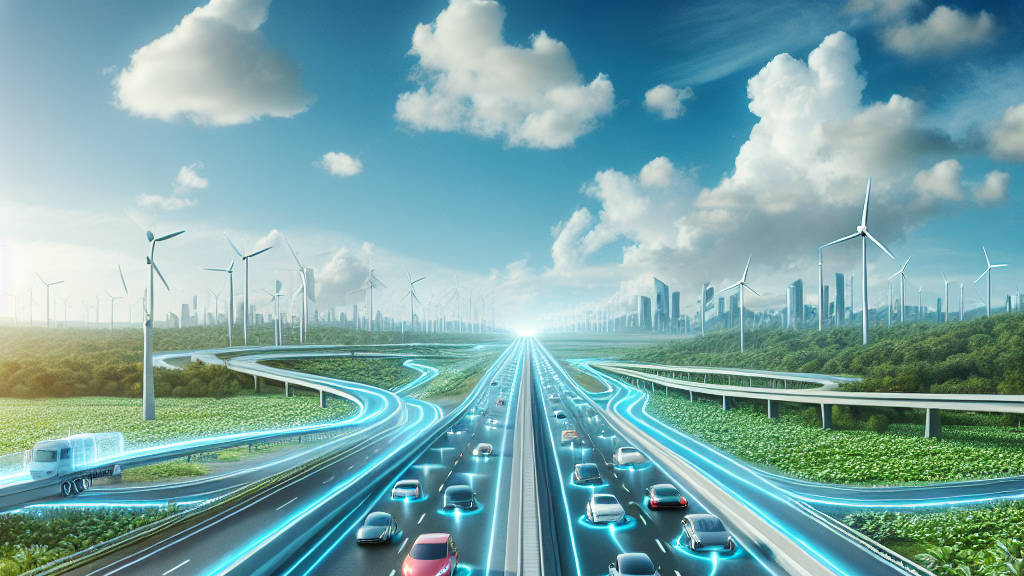
Imagine zooming down the highway while your electric car charges itself on the road – no more pit stops at charging stations! This incredible vision could soon become reality as researchers explore new road lanes that wirelessly charge electric vehicles as they drive. These ‘charging while driving’ (CWD) lanes could change the way we commute and bring us closer to a cleaner, greener future.
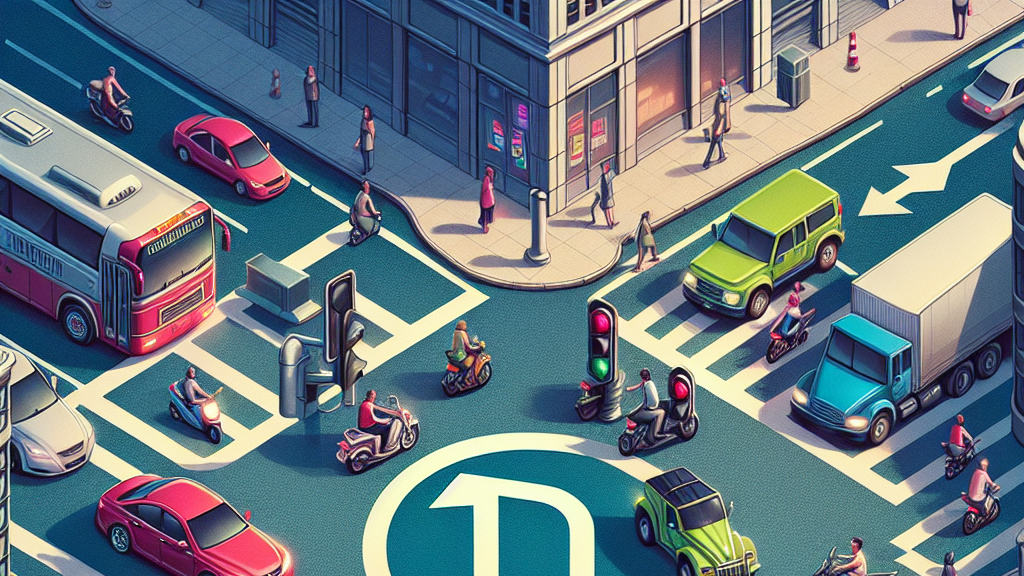
At the heart of this research is understanding how CWD lanes would integrate into current traffic systems. While the idea of a perpetually charging car sounds perfect, introducing these lanes could disturb traffic flow, creating more congestion due to extra lane changes as cars move in and out of the CWD lane. The research shows that while more electric vehicles on the road help stabilize traffic and reduce sudden slowdowns, the CWD lane itself might actually disrupt speeds, affecting lanes next to it.
Despite potential traffic hiccups, the environmental benefits are hard to ignore. Cars utilizing these lanes will significantly cut down on pollution, with potential reductions of emissions by up to 63%! It’s a promising step toward widespread electric vehicle adoption and a more sustainable transport system. Careful planning and policy-making will ensure these futuristic lanes support our environment without compromising traffic efficiency.
Did you know? Special charging lanes could reduce traffic emissions by up to 63%!
FAQs
What are charging while driving lanes?
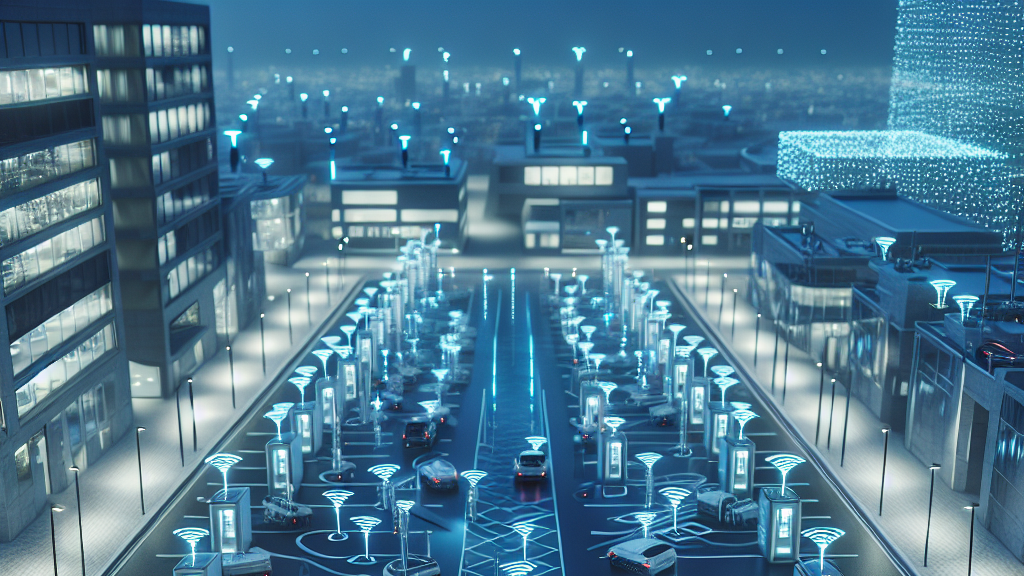
Charging while driving lanes are special road lanes equipped to wirelessly charge electric vehicles as they drive over them. This innovative approach aims to keep EVs powered on the go, reducing the need for traditional charging stations and encouraging greater EV adoption.
How could charging lanes impact traffic flow?
While charging lanes offer convenient charging, they may disrupt current traffic flows by increasing lane-changing maneuvers. This could lead to greater congestion, especially if many vehicles attempt to access these lanes simultaneously.
Why are charging lanes beneficial for the environment?
These lanes could significantly reduce vehicle emissions by maintaining electric vehicle power levels, encouraging more drivers to switch from gasoline-powered cars to cleaner, electric options. Research shows a potential reduction of emissions by as much as 63%.
What role do electric vehicle market penetration rates play in using charging lanes?
Higher market penetration rates of electric vehicles can stabilize traffic flows and reduce shockwaves, making the transition smoother when introducing charging lanes. However, careful planning is still needed to balance this with potential speed disruptions.
Background
Electric Vehicles (EVs) are gaining popularity due to their eco-friendly nature and reduced dependency on fossil fuels. However, they face a unique challenge known as range anxiety, where drivers worry about finding charging stations before running out of battery. To combat this, researchers have proposed charging while driving (CWD) lanes, which use wireless technology to charge EVs as they move, ensuring uninterrupted travel and easing range concerns for drivers.
History
The concept of dynamic wireless charging has been around for a while but faced technological and practical challenges. Only recently have advancements in wireless power transfer made it feasible to consider large-scale implementations like charging while driving lanes. Past studies focused on the efficiency of wireless charging technology, which paved the way for current research exploring its implications on traffic systems and environmental benefits.
Based on “Charging While Driving Lanes: A Boon to Electric Vehicle Owners or a Disruption to Traffic Flow” by Shayan Bafandkar, Alireza Talebpour, available on arXiv (arxiv.org/abs/2504.14360), used under CC BY 4.0 (creativecommons.org/licenses/by/4.0/).