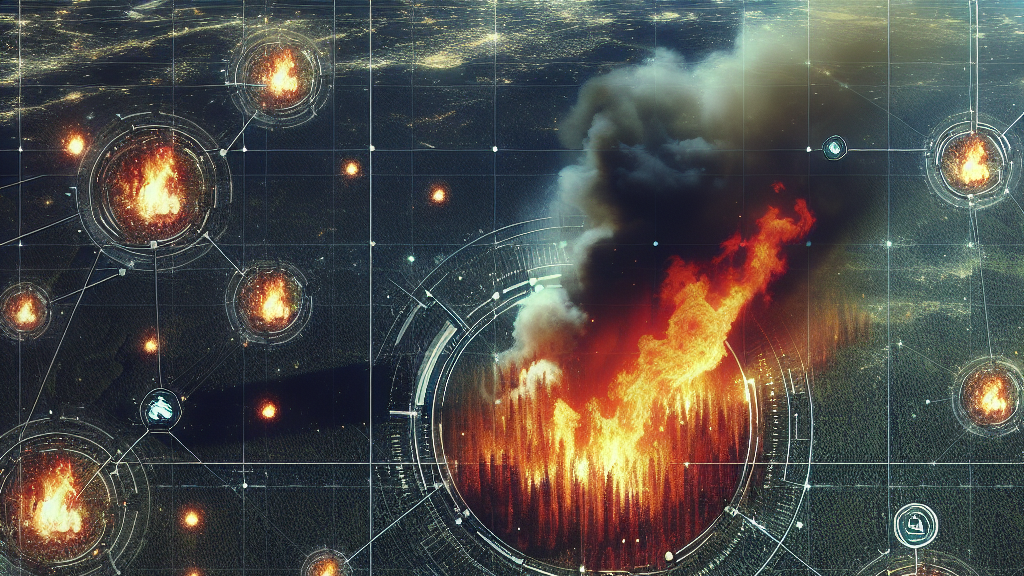
Wildfires are becoming more intense and frequent, partly due to climate change. Communities around the world are grappling with these blazes that not only destroy habitats and homes but also put lives at risk. Traditional systems struggle to keep up, but there’s hope on the horizon as new tech promises faster and more accurate detection.
Recent research has highlighted the potential of Vision Transformers, a sophisticated tech that analyzes satellite images, offering an edge over existing methods. Unlike traditional models, which can be resource-intensive and focus narrowly, Vision Transformers efficiently process vast datasets, incorporating broader patterns to improve accuracy. However, fine-tuned systems like a CNN-based UNet still outperform when spotting these dangerous fires.
Imagine a future where this technology allows us to predict a wildfire’s path before it even starts, enabling quick, life-saving interventions. With enhanced satellite imaging and smart algorithms, we could send timely alerts and resources to affected areas, potentially saving homes, wildlife, and lives. This merging of AI and environmental science might just be our best ally in the fight against this fiery menace.
Did you know? Vision Transformers can analyze satellite images almost like reading a map, recognizing fire patterns efficiently!
FAQs
What are Vision Transformers, and why are they important for detecting wildfires?
Vision Transformers are advanced AI models that analyze satellite images for patterns that indicate wildfires. They are important because they can process large amounts of data efficiently, offering quicker and potentially more accurate detection than traditional methods.
How do CNN-based UNet models compare to Vision Transformers in wildfire detection?
Although Vision Transformers show promise due to their ability to incorporate global context, CNN-based UNet models still excel in specific image analysis tasks, providing the best accuracy in this study for wildfire detection.
Why is early wildfire detection crucial?
Early detection of wildfires is crucial because it can help mobilize resources faster, potentially saving lives, homes, and natural habitats by mitigating the fires before they grow out of control.
How does climate change impact the frequency of wildfires?
Climate change increases the frequency of wildfires by creating hotter and drier conditions, which are perfect for fires to start and spread. This makes early and efficient detection even more critical.
What role does satellite imagery play in wildfire detection?
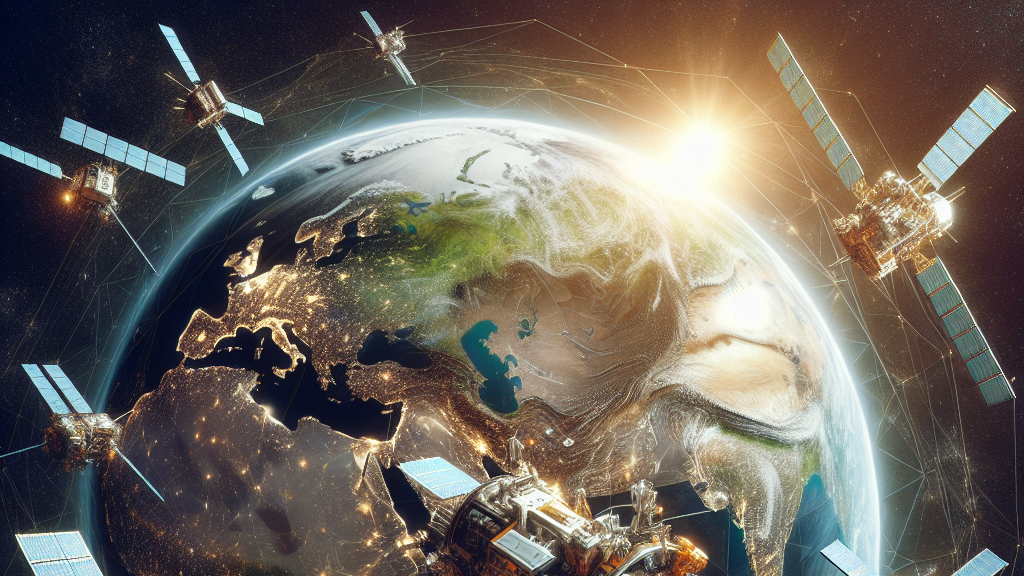
Satellite imagery is essential as it provides a broad view of large areas, helping identify fire hotspots and patterns that might not be visible from the ground. This data is crucial for AI models to analyze and predict fire outbreaks.
Background
Understanding wildfires has rapidly evolved with AI playing a key role in detection. Traditional methods like human observation are limited by visibility and reach. Convolutional Neural Networks, though accurate, are resource-heavy and focus on localized contexts. Vision Transformers, on the other hand, manage large datasets efficiently by incorporating both local and global perspectives, which could offer improvements in faster and broader analysis.
History
The study of wildfires has expanded from basic weather-related insights to sophisticated AI-driven detection models. Initially, Convolutional Neural Networks became the go-to for image tasks, including fire detection. However, with advances in AI, Vision Transformers have stepped up, promising quicker training and comprehensive data analysis. This study stands on this evolution, examining the potential of these new techs to advance our disaster response capabilities.
Based on “Fighting Fires from Space: Leveraging Vision Transformers for Enhanced Wildfire Detection and Characterization” by Aman Agarwal, James Gearon, Raksha Rank, Etienne Chenevert, available on arXiv (arxiv.org/abs/2504.13776), used under CC BY 4.0 (creativecommons.org/licenses/by/4.0/).