AI-generated art is rocking the world of digital creativity, allowing people to create stunning images from simple text prompts. Imagine just typing a description and instantly having a beautiful, realistic image appear! But here’s the catch—what if these AI tools are unintentionally reinforcing stereotypes and biases that we’ve been trying to overcome in society? That’s the concern that some researchers are diving into right now.
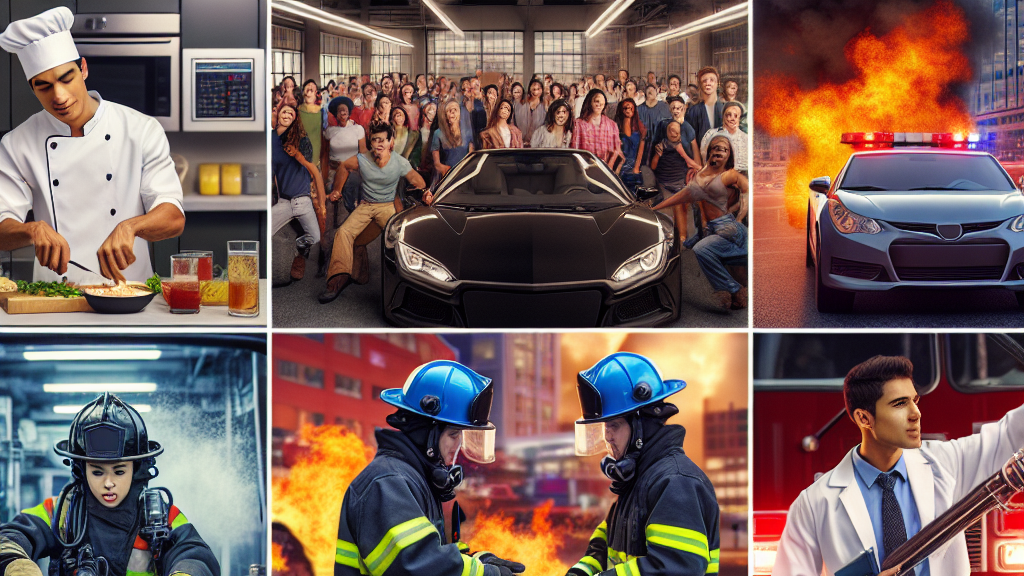
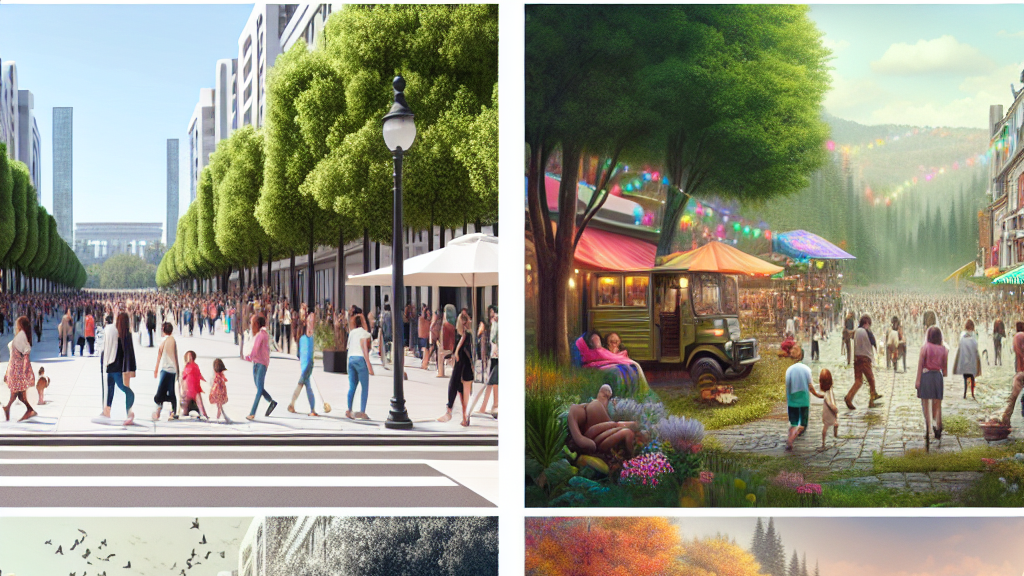
In a recent study, researchers created various AI-generated images using popular tools like Stable Diffusion and Flux-1. They used a wide array of prompts touching on themes like jobs, emotions, family roles, and even spirituality to see how these AI models would visualize them. After generating over 16,000 images and comparing them to thousands of real-life images from Google Search, one surprising outcome was that the AI-generated images often represented people in a way that mirrored societal stereotypes related to gender, race, age, and body type.
So, why does this matter? Well, imagine what could happen if we continue to use these AI tools without addressing these biases. They could influence everything from advertising campaigns to educational materials, shaping how people view themselves and others in negative ways. But there’s hope! By creating more inclusive datasets and refining how these AI models are developed, we can ensure a more accurate and fair representation of all people, making our digital world a better place for everyone.
Did you know that AI models can unintentionally recreate and amplify societal stereotypes just by processing the data we feed them? It’s like showing a funhouse mirror version of society!
FAQs
What is the main concern about AI-generated art?
The main concern is that AI-generated art could reinforce and amplify societal stereotypes and biases, impacting how people view certain groups.
How was this research on AI models and societal bias conducted?
The study involved generating over 16,000 images using AI models with various prompts and comparing them to real-world images from Google Search to identify patterns of bias.
What specific biases were observed in AI-generated images?
Disparities in AI-generated images often mirrored societal stereotypes related to gender, race, age, and body type, among other human-centric factors.
How can we address biases in AI-generated art?
To minimize biases, it’s crucial to develop more inclusive datasets and refine AI model development practices to ensure fairer representation in generated content.
Why is it important to tackle bias in AI art?
Addressing bias in AI art is vital to prevent stereotypes from influencing areas like advertising, education, and digital media, leading to more accurate and fair representations.
Background
Text-to-Image models are a type of artificial intelligence technology capable of creating visual content from simple text descriptions. These models are trained on vast datasets of images and texts to understand and generate realistic pictures. However, they rely heavily on the quality and diversity of the data they’re trained on, which can lead to biases if the data reflects societal stereotypes.
History
Text-to-Image models have evolved from basic image generation algorithms to sophisticated AI systems capable of rendering highly realistic visuals. Stable Diffusion and Flux-1 are among the leading models in this field, utilizing different approaches to achieve their results. With the growing concern about AI biases, this research builds on past studies that highlighted issues in machine learning applications and suggests ways to improve fairness.
Based on “Hidden Bias in the Machine: Stereotypes in Text-to-Image Models” by Sedat Porikli, Vedat Porikli, available on arXiv (arxiv.org/abs/2506.13780), used under CC BY 4.0 (creativecommons.org/licenses/by/4.0/).