Connect with us

Search by keyword

Computers

Is Plastic Computing the Future of Internet Services?

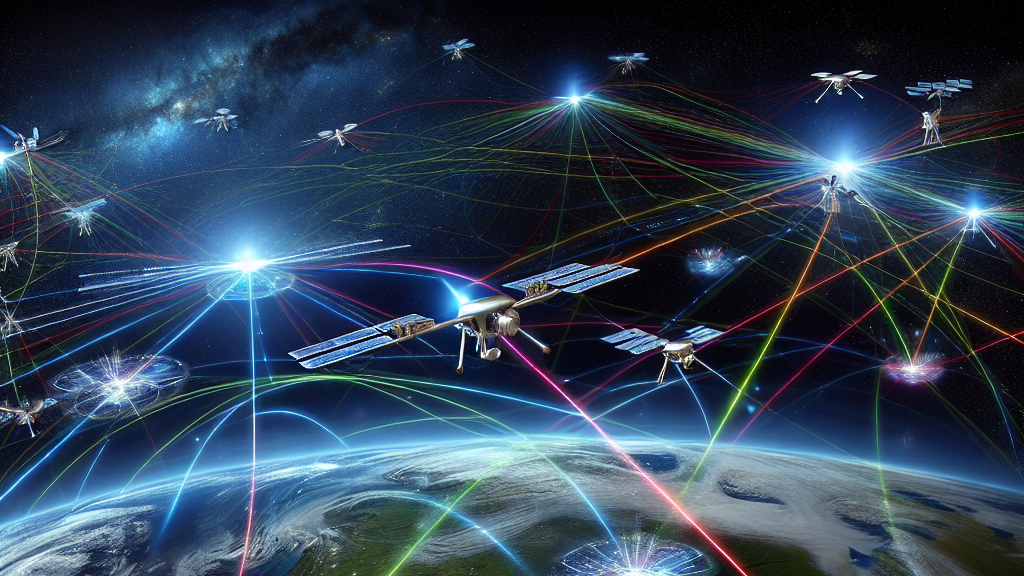
Imagine a world where our internet is smarter and faster than ever, thanks to a new way of using technology called plastic computing. It’s like giving our networks superhero powers so they can better handle data and keep you connected—even through satellites!

Is Plastic Computing the Future of Internet Services
✨Researched by humans. Explained by robots. Learn more.

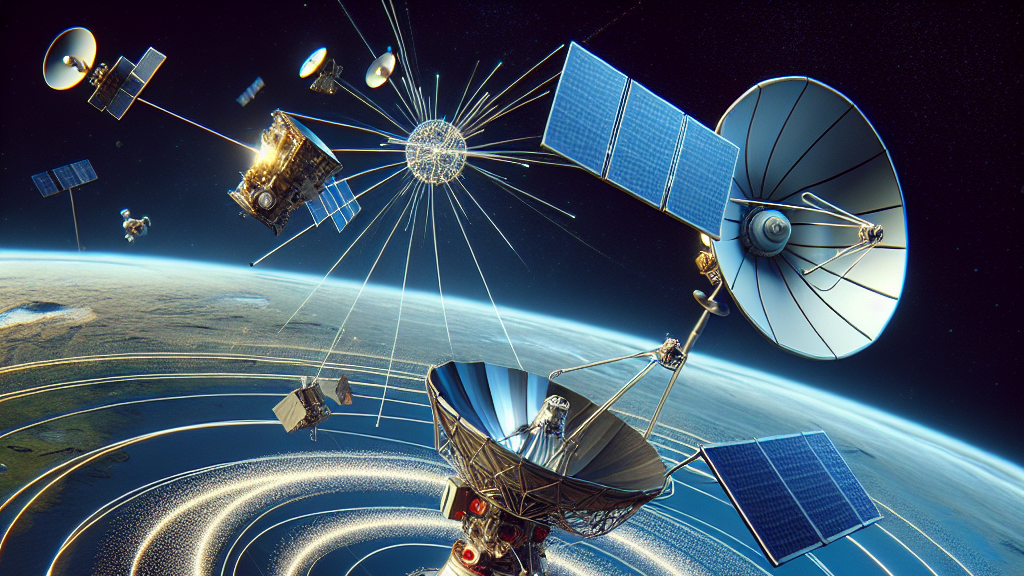
Did you ever wonder how all the apps and services you use every day can run so efficiently, whether on your phone, laptop, or even from the sky? Enter plastic computing, the next-gen tech wizardry that’s set to revolutionize how these services are delivered. This innovative approach pulls together edge and cloud computing—plus, it even taps into satellite networks, making the whole system smarter and more adaptable than ever.

At its core, plastic computing is about optimizing how data is managed across diverse networks and technologies. Imagine our current digital landscape as a giant puzzle with many moving parts: mobile networks, data centers, and even satellites. To make everything work smoothly, we need to perfectly match resources and services, allowing for seamless coordination. Plastic computing does just that by creating a unified system that combines all these elements to guarantee top-notch service and satisfaction.

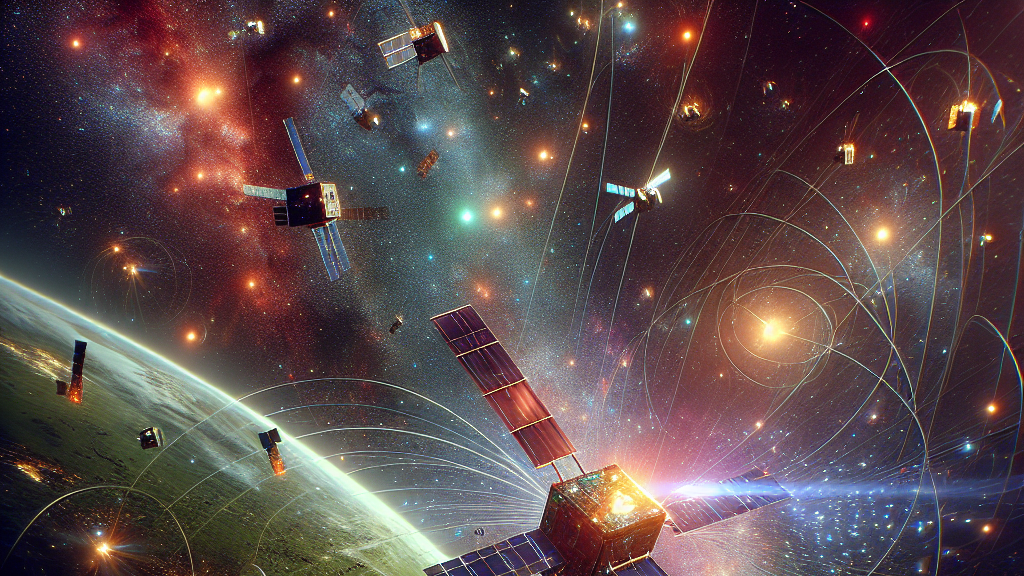
Now, picture a world where your phone gets a signal everywhere—even in the most remote locations—thanks to satellites connecting to 6G networks. With plastic computing, this isn’t just futuristic fantasy; it’s a potential reality. By optimizing performance and extending network reach, this technology promises to enhance everything from internet access to the speed of app updates, making life easier and more connected for everyone.

Plastic computing could make internet services fast and stable even in remote areas by utilizing satellites and advanced networks.

FAQs

What unexpected discovery did scientists make?

Scientists discovered that integrating satellites and advanced network technologies could significantly improve the performance of internet services, even in remote areas.

How does plastic computing optimize service delivery?

Plastic computing optimizes service delivery by seamlessly coordinating and managing resources across edge, cloud, and satellite networks, ensuring high quality and efficient service experiences.

Why does this matter for everyday users?

For everyday users, plastic computing means stronger, faster internet connections that are more reliable, even in hard-to-reach places, thus improving daily digital experiences.

How does this research relate to 6G technology?

This research envisions using 6G technology alongside satellites within the plastic computing paradigm to greatly enhance connectivity and service capabilities worldwide.

What are the potential applications of this technology?

Potential applications include improved mobile connectivity, seamless smart city infrastructure integration, and faster, more reliable data services across multiple industries.

Background

Plastic computing involves the seamless integration of different computing paradigms like edge and cloud computing with satellite technology. It aims to efficiently distribute data processing tasks to meet the high-quality requirements of modern network services. By dynamically managing resources, plastic computing strives to create a unified, adaptable system capable of optimizing performance while catering to diverse infrastructure and user demands.

History

The evolution of network technology has been marked by incremental steps toward more integrated and powerful systems. From initial cloud computing to the advent of edge computing, the shift has been toward optimizing data management. This study builds upon these advancements, taking inspiration from the cloud continuum and paving the way for next-gen 6G and satellite integration, which were previously considered separate domains.

Based on “Plastic computing, the cloud continuum journey beyond infinity” by Xavi Masip-Bruin, Jordi Garcia, Adrian Asensio, Francesco D’Andria, Admela Jukan, Shahrok Daijavad, Panos Trakadas, available on arXiv (arxiv.org/abs/2501.12247), used under CC BY 4.0 (creativecommons.org/licenses/by/4.0/).


Trending

Latest

Can AI Save Water Discover How

Computers

AI is transforming the tech world, but it uses lots of water! A new tool, SCARF, helps us measure and reduce AI's water footprint,...

Whats a Forbush Decrease and Why Should We Care Whats a Forbush Decrease and Why Should We Care

Space

Scientists just observed the biggest solar storm event in years, revealing unexpected cosmic ray patterns. Understanding these changes could help us protect our technology...

Can Cars Spot Danger Faster Than Humans Can Cars Spot Danger Faster Than Humans

Computers

Think about how quickly you react when something unexpected happens on the road. This research brings us closer to creating self-driving cars that can...

Can Fear of the Other Stop Social Harmony Can Fear of the Other Stop Social Harmony

Physics

Fear of the unknown might make it harder for people to agree and get along. This study shows that when people have strong xenophobic...

Can AI Revolutionize Breast Cancer Diagnosis Can AI Revolutionize Breast Cancer Diagnosis

Electricity

This research introduces a groundbreaking AI model that can accurately assess HER2-positive breast cancer using widely accessible staining methods, potentially revolutionizing how we diagnose...

Can AI Transform Your Singing into a Choir Can AI Transform Your Singing into a Choir

Computers

Imagine singing solo and having AI turn you into a choir. This research unveils a groundbreaking AI tool that transforms your voice into rich...

You May Also Like

Physics

This research reveals how wild changes in space weather can make satellites fall faster to Earth, impacting how our tech works up in space.

Space

Scientists have uncovered why some small galaxies are born without stars. It turns out, they lack the dense gas needed for star formation, thanks...

Physics

Quantum networks promise ultra-secure internet by using drones and satellites to form connections previously confined to the ground, potentially revolutionizing the way we communicate.

Electricity

6G is not just about faster internet; it's about creating networks that think and adapt, potentially transforming how our smart devices connect and make...

Electricity

Imagine super-smart networks that think on their own! 6G could revolutionize how we connect devices, making technology more efficient and smarter than ever, paving...

Electricity

Did you know that satellites, which help keep your world connected, could potentially be used to disrupt those very connections? This study explores how...

Space

Imagine giant alien-built satellite swarms collecting energy from stars—sounds amazing, right? But these space wonders need constant fixing to last, just like your smartphone...

Computers

Your future texts on 6G networks could be ultra-secure, thanks to new tech that hides your messages in plain sight, fooling even the smartest...

Computers

This study focuses on how tiny satellites, called CubeSats, could transform space communication by serving as in-orbit testing grounds for future technologies, pushing the...

Copyright © 2024 8ig8rain.

Disclaimer: The content on 8ig8rain.com consists of AI-generated summaries of scientific abstracts from arXiv. Please note that most arXiv abstracts are preprints and may not have undergone formal peer review. While these summaries aim to convey key ideas and potential applications, they are provided for informational purposes only and should not be interpreted as validated scientific findings or professional advice. The summaries are intended to educate, spark curiosity, and inspire further exploration of science.