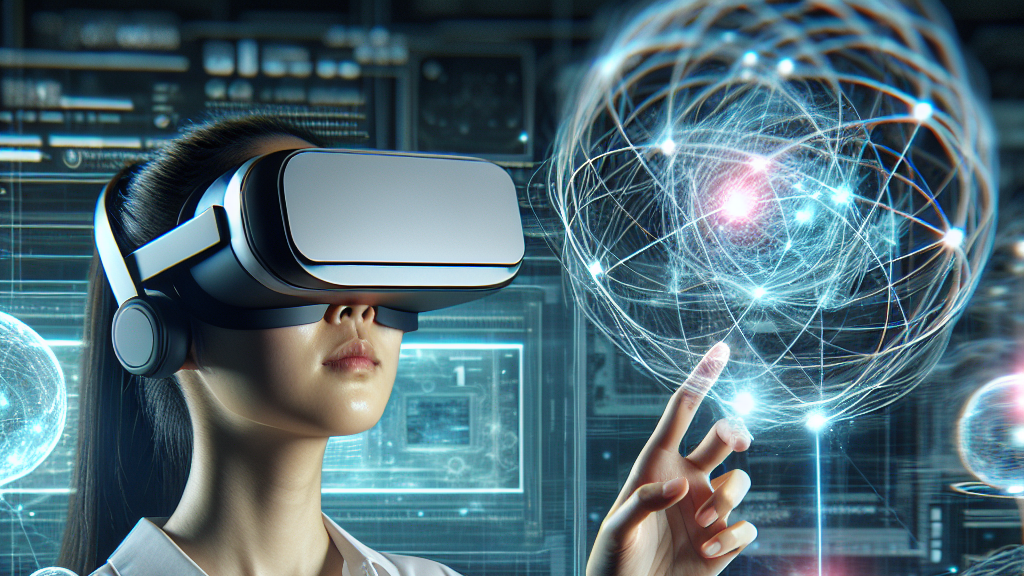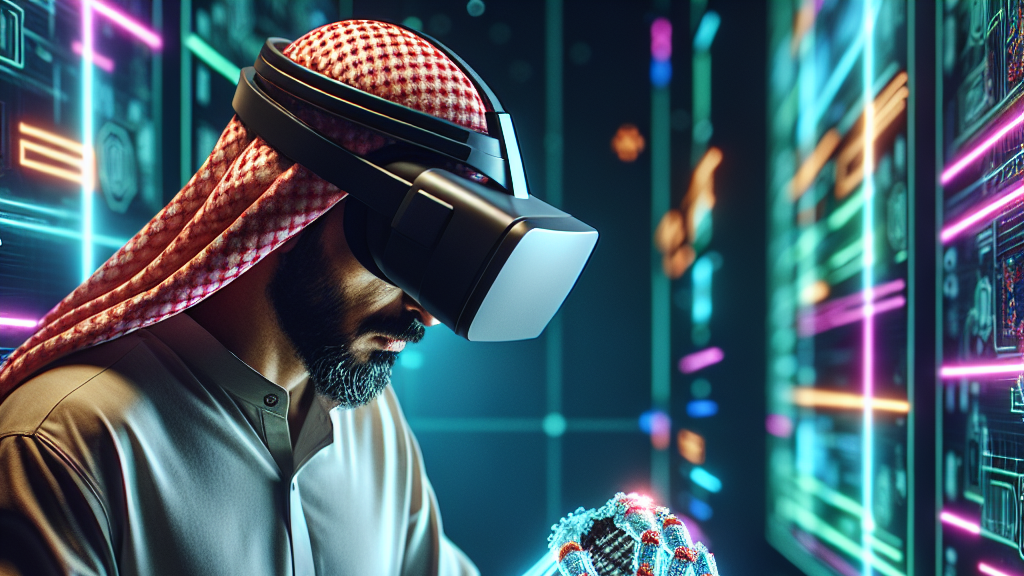
Virtual Reality (VR) is transforming how we engage with traditional activities, and building with LEGO is no exception. Imagine putting on a headset and suddenly being able to build massive structures with just a flick of your wrist—no more digging through piles of bricks. This isn’t science fiction. It’s the next step in creativity and learning, where VR can transport us beyond the limits of our physical world.
Researchers conducted a study comparing how people build LEGO in three different settings: the real world, a VR environment, and a VR environment with ‘superpowers’ that let you do things like duplicate bricks instantly or undo mistakes with ease. They found that while the real-world experience offers a tactile satisfaction, participants were more engaged and imaginative when they could use their VR ‘superpowers.’ These superpowers didn’t just enhance the experience visually but allowed for more creativity and exploration.
Think about the endless possibilities this holds for education and training. Schools could use VR to teach architecture or engineering concepts by letting students construct and deconstruct buildings in a way that’s natural and intuitive. Therapists might use VR to help people overcome physical limitations by letting them interact with their environment without restrictions. The research suggests that with the right balance of user control and automated assistance, VR could revolutionize how we learn, play, and interact with the world around us.
Did you know? In VR, you can build a LEGO castle with just a snap of your fingers!
FAQs
How does playing with LEGO in Virtual Reality compare to real life?
Building in Virtual Reality offers unique capabilities like instant duplication and endless possibilities without physical constraints, leading to higher engagement and creativity, particularly when ‘superpowers’ are used to enhance the experience.
What are the potential educational applications of this research?
This study suggests that Virtual Reality can be used in education to create immersive and interactive learning experiences, such as teaching complex concepts through hands-on activities that are both engaging and fun.
Why were VR ‘superpowers’ important in this study?
VR ‘superpowers’ like duplicating bricks or easily undoing mistakes provided participants with a greater sense of control and freedom, leading to more creative and enjoyable building experiences.
Can VR replace traditional hands-on learning activities?
While VR offers exciting new possibilities, it is seen as a complement rather than a replacement for physical hands-on learning, providing opportunities that are not possible in the real world.
How might VR with ‘superpowers’ be used therapeutically?
VR can offer therapeutic benefits by allowing users to engage in activities without physical limitations, potentially aiding in rehabilitation or mental well-being by providing a safe environment for experimentation and creativity.
Background
This research involves the use of Virtual Reality, a technology that creates a simulated environment that can replicate real-world activities or offer entirely new experiences. VR allows users to interact with digital objects in a three-dimensional space, which can be enhanced by adding ‘superpowers’ like duplicating items on command or modifying the environment effortlessly. These features aim to increase user engagement and creativity by overcoming the limitations of the physical world.
History
The concept of Virtual Reality has been evolving since the 1960s, with advancements in technology that have made it more immersive and accessible. Early VR systems were clunky and expensive, but recent developments in computer graphics and motion tracking have led to more affordable and user-friendly VR headsets. This study builds on prior research that explores VR’s potential in educational and creative applications, focusing specifically on how it can transform traditional hands-on activities like building with LEGO bricks.
Based on “From Brick to Click: Comparing LEGO Building in Virtual Reality and the Physical World” by Viktorija Paneva, Maximilian David, Jörg Müller, available on arXiv (arxiv.org/abs/2502.04525), used under CC BY 4.0 (creativecommons.org/licenses/by/4.0/).