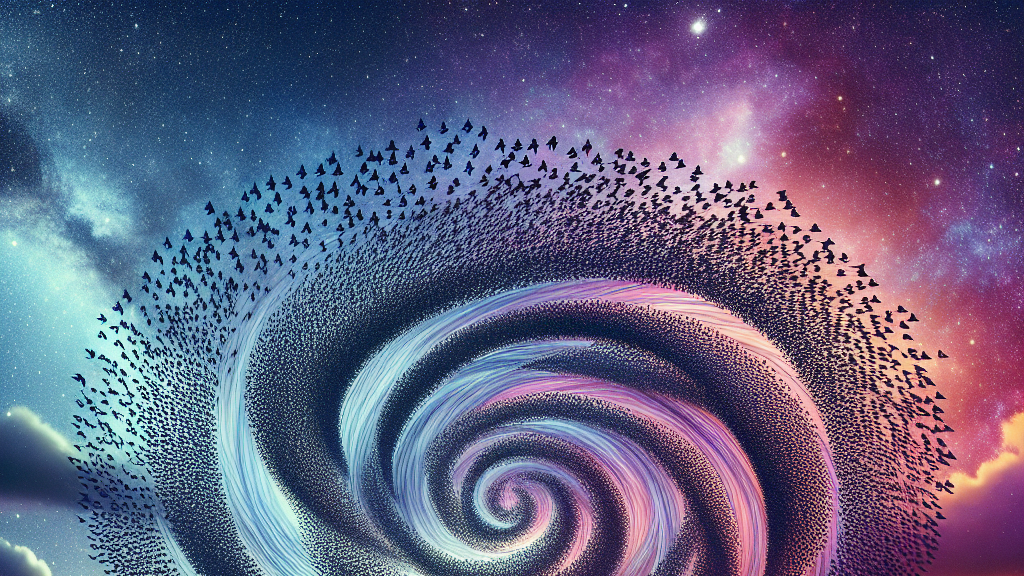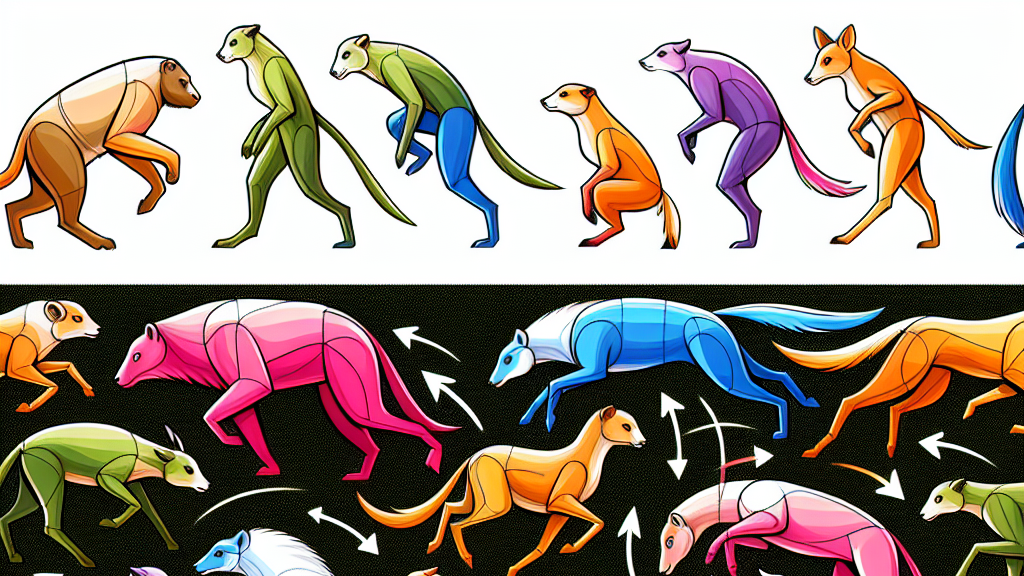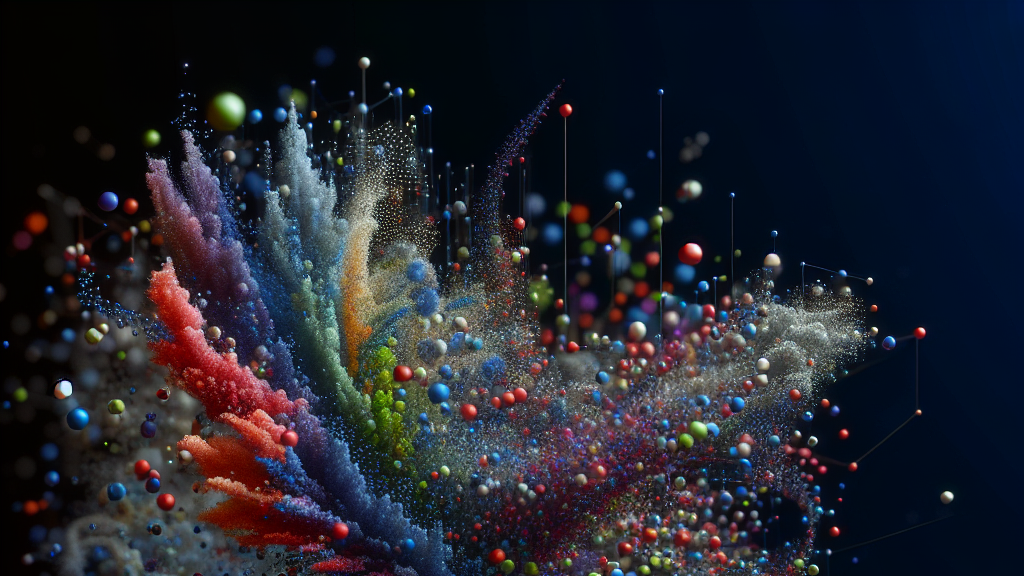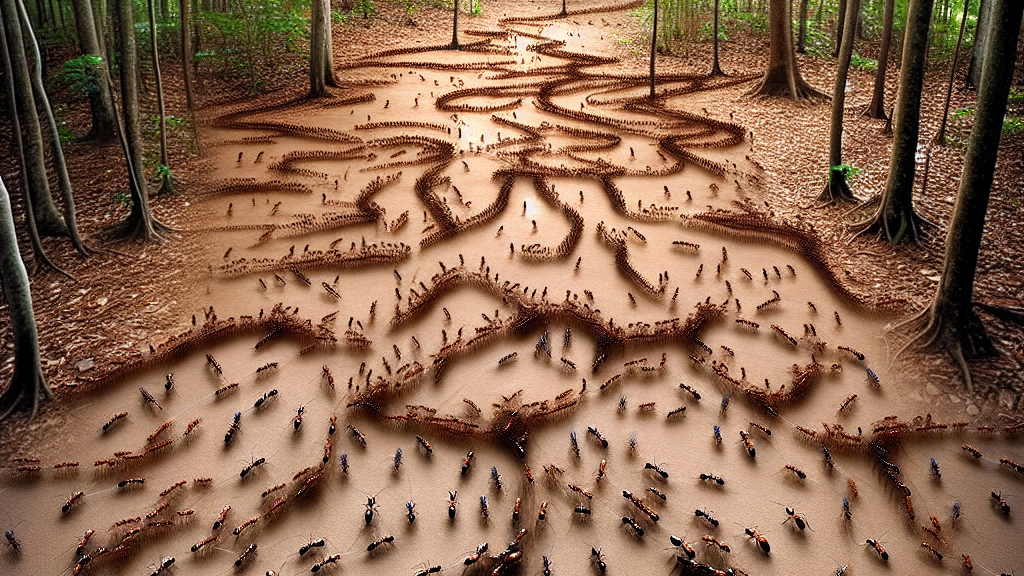
Did you know that chaos can actually create order without anyone stepping in to control the situation? Researchers have discovered a fascinating mechanism where random actions, like those seen in a swarm of ants, can lead to perfectly coordinated group behavior. It’s like magic happening right in front of our eyes, with no central command pulling the strings!
In a detailed simulation, scientists observed how ants and beetles started with random movements and, through simple feedback, organized themselves into a synchronized march. This happens thanks to something called Vector Dissipation of Randomness, where each agent collects environmental information and self-organizes, eventually creating a unified plan without the need for conscious thought. It’s a process that could be found in everything from insects to artificial intelligence!
Picture this: in the future, we could see technology and biological systems borrowing from this idea to solve complex problems independently. Imagine factories that run themselves, traffic that moves flawlessly without lights, or even swarms of drones delivering supplies with perfect efficiency. The possibilities are truly limitless, and it all begins with understanding how chaos leads to order!
Did you know ants don’t need a leader to organize themselves? They just naturally fall into formation!
FAQs
What is Vector Dissipation of Randomness?
Vector Dissipation of Randomness is a concept describing how random behaviors can evolve into coordinated actions without centralized control, using feedback and filtering of strategies.
How does this research relate to nature and technology?
This research shows that the same self-organizing principles seen in nature, like ant behavior, can be applied to technology and artificial intelligence, leading to decentralized control systems.
What is paraintelligence?
Paraintelligence refers to rational functionality in systems like insects that appear intelligent without having consciousness or self-awareness, expanding our understanding of what constitutes intelligence.
How could this concept change the future of artificial intelligence?
By applying Vector Dissipation of Randomness, artificial intelligence systems could become more autonomous, solving complex problems independently by mimicking natural self-organization.
Why is understanding chaos important?
Understanding chaos and its transformation into order can lead to new ways of organizing and optimizing systems around us, from natural ecosystems to advanced technological networks.
Background
Vector Dissipation of Randomness involves observing how disorganized actions can naturally evolve into ordered patterns. Key to this process is feedback, where past actions influence future decisions, allowing agents to filter out unproductive paths and align with successful strategies. This concept underscores how complex systems find order, similar to birds in a flock or fish in a school.
History
The idea of self-organization has roots in biology and physics, where it’s observed in natural phenomena like the formation of snowflakes or the flocking behavior of birds. This study builds on these concepts, formalizing a mathematical model that explains how such systems can organize without a central guide, leading to implications for both biological studies and the development of decentralized AI systems.
Based on “Dynamics of Insect Paraintelligence: How a Mindless Colony of Ants Meaningfully Moves a Beetle” by Eldar Knar, available on arXiv (arxiv.org/abs/2503.18858), used under CC BY 4.0 (creativecommons.org/licenses/by/4.0/).