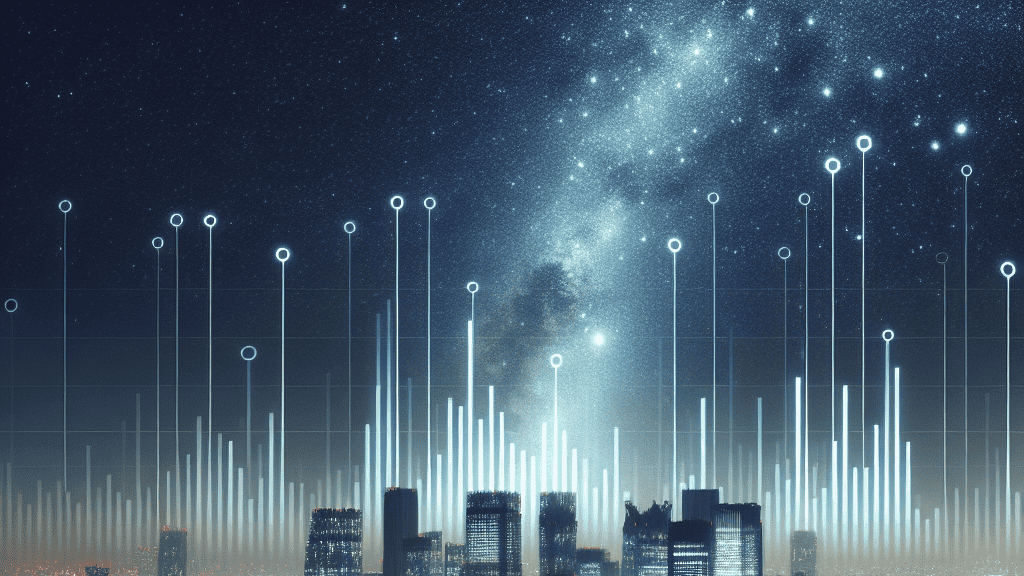
Imagine living in a vibrant city where the glow of streetlights and buildings never sleeps. While this might sound exciting, this artificial brightness is drowning out the stars in our night sky. This isn’t just a problem for astronomers with high-tech telescopes—it’s affecting everyone who wants to enjoy a starry night. Light and air pollution are illuminating our skies and making it hard to see the cosmos, whether you’re in Southern California or Guadalajara.
Scientists have been investigating how urban settings are altering the night sky’s natural beauty and the crucial data astronomers rely upon. By collecting data from telescopes and capturing the night sky through cameras, they’ve confirmed that pollution doesn’t just light up our skies artificially but also impacts cloud formations that reflect even more light. Surveys show that while many people are aware of pollution, they often misunderstand its real impact. This misunderstanding itself is important, as it shapes how communities address these environmental challenges.
Think about it: clearer skies could mean better nights for stargazers and more accurate astronomical data. This research could lead to smarter city planning and pollution control, making urban areas better for both science and our shared enjoyment of the night sky. When cities understand the full scope of pollution’s impact, they can implement solutions that let us all look up and see the stars as we dream of them—a breathtaking view untainted by human activity.
Did you know that light pollution can actually make clouds brighter, further diminishing our view of the night sky?
FAQs
What unexpected discovery did scientists make?
Scientists found that aerosol particles from air pollution not only brighten the night sky but also amplify cloud formation, which increases light reflection.
How does light pollution affect stargazing?
Light pollution makes the night sky brighter, which reduces visibility of stars and other celestial objects making it harder to enjoy stargazing and impacts astronomical research.
Why are people’s perceptions of pollution important?
People’s perceptions affect how communities choose to address environmental issues. Misunderstandings about pollution’s impact can lead to ineffective solutions.
Which areas were studied in this research?
The research focused on Southern California and Guadalajara, Mexico, assessing both environmental data and public perceptions in these regions.
How can city planning help reduce these issues?
By understanding the impacts of light and air pollution, cities can implement smarter planning and pollution controls to protect the night sky and enhance urban living.
Background
Light pollution occurs when outdoor lights brighten the night sky, obscuring the stars. Air pollution includes tiny particles, such as aerosols, that can reflect and scatter light. Both pollution types are concentrated in urban areas where they combine to make the night sky significantly brighter, affecting both amateur stargazing and professional astronomical observations.
History
Urbanization has intensified over recent decades, bringing increased artificial lighting and air pollution as byproducts. Previous studies have highlighted the diminishing visibility of stars, but often separately addressed air or light pollution. This research synergizes both factors to reveal their combined effect and explores how public misconceptions can impact policy and education strategies.
Based on “The Effects of Anthropogenic Air and Light Pollution on Astrophysics and Society” by Maya Nunez, available on arXiv (arxiv.org/abs/2501.01452), used under CC BY 4.0 (creativecommons.org/licenses/by/4.0/).