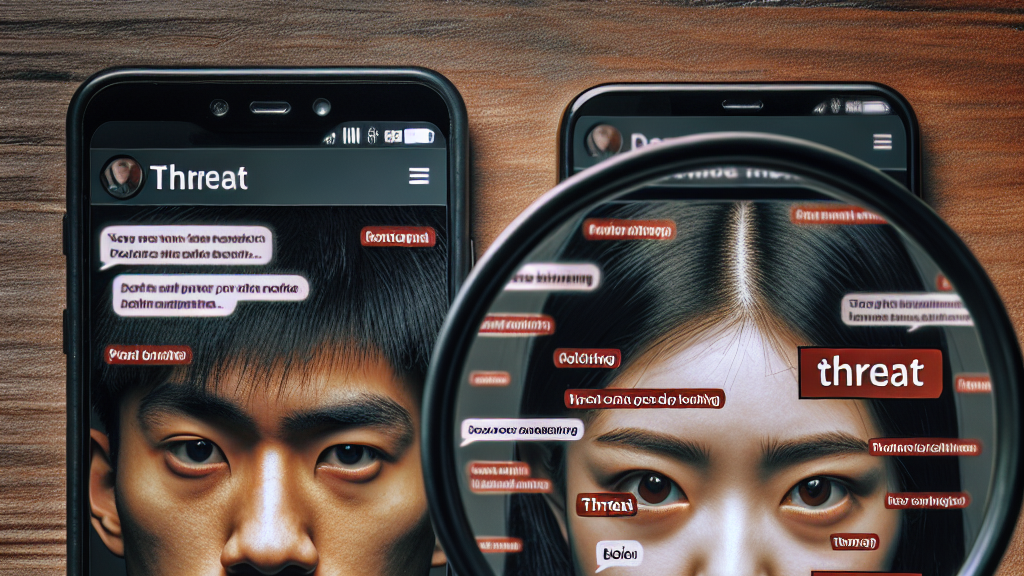
Imagine if every tweet about air pollution wasn’t just a complaint but a clue—a vital piece of information that could help us understand and tackle the problem. In the bustling city of Delhi, researchers have uncovered that Twitter isn’t just a platform for social discourse but a powerful tool that could act as a sensor for the environment. By analyzing tweets about air pollution, scientists are identifying influential users whose voices resonate, helping to raise awareness and potentially drive change.
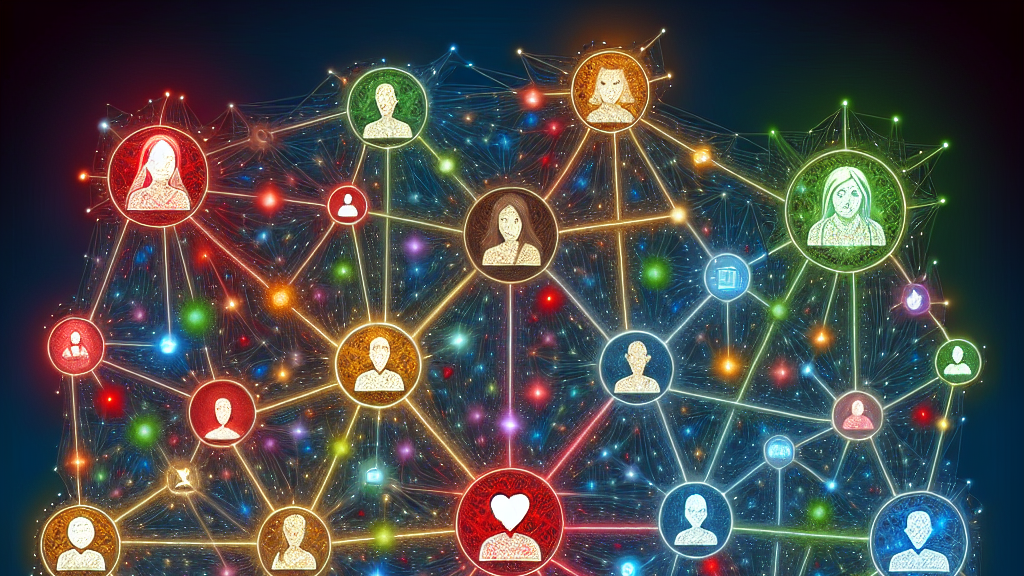
The study specifically looks at how Twitter can serve as a virtual sensor, tracking key users who tweet about air quality during pollution events. These ‘influencers’ are identified using an algorithm that assesses their impact through retweets, favorites, and follower influence. By understanding who these influential voices are and analyzing their perceptions against actual pollution levels measured by physical sensors, researchers aim to better interpret the public’s response to air quality issues.
This research could revolutionize how we monitor air pollution by integrating the power of social media influencers with traditional measurement tools. Imagine a future where your tweets contribute to air quality awareness, alerting individuals and communities to take action. You could be a part of a digital network that not only spreads awareness but also aids in creating a healthier environment, all by engaging with a post or retweeting a message.
In some cities, air pollution levels can reach over 20 times the safe limit recommended by the World Health Organization!
FAQs
What is unique about using social media like Twitter for air pollution monitoring?
Social media platforms like Twitter can act as digital sensors, providing real-time data on public perception and awareness during air pollution events. This can complement traditional air quality measurement tools.
How does the TRank algorithm identify influential users in air pollution discourse?
The TRank algorithm ranks users based on their social influence by evaluating their retweets, favorites, and follower metrics on posts related to air pollution.
Why is the research focused on Delhi for air pollution monitoring with social media?
Delhi is known for its significant air pollution challenges, making it an ideal location to study how social media can help track and respond to environmental issues like air quality.
How can Twitter users impact air quality awareness and monitoring?
Twitter users, especially those identified as influencers, can raise awareness about pollution through their posts. Their engagement can inform better environmental responses and policies.
How might this research affect public health strategies?
By integrating social media insights with traditional pollution data, this research might lead to more dynamic and responsive public health strategies, potentially reducing exposure to harmful pollutants.
Background
The concept revolves around using social media as more than just a communication tool but as a sensor. This means analyzing public posts to derive useful data about phenomena like air quality. As posts accumulate, they can reflect public awareness and concern, and when combined with algorithms, they can identify influential voices in critical discussions.
History
The idea of using social media for real-time data collection isn’t new; it initially gained traction with disaster response and political trend predictions. This study builds on that foundation, focusing on environmental monitoring through social media, a relatively unexplored area with potential for significant impact.
Based on “AirCalypse: Can Twitter Help in Urban Air Quality Measurement and Who are the Influential Users?” by Prithviraj Pramanik, Tamal Mondal, Subrata Nandi, Mousumi Saha, available on arXiv (arxiv.org/abs/2502.19421), used under CC BY 4.0 (creativecommons.org/licenses/by/4.0/).