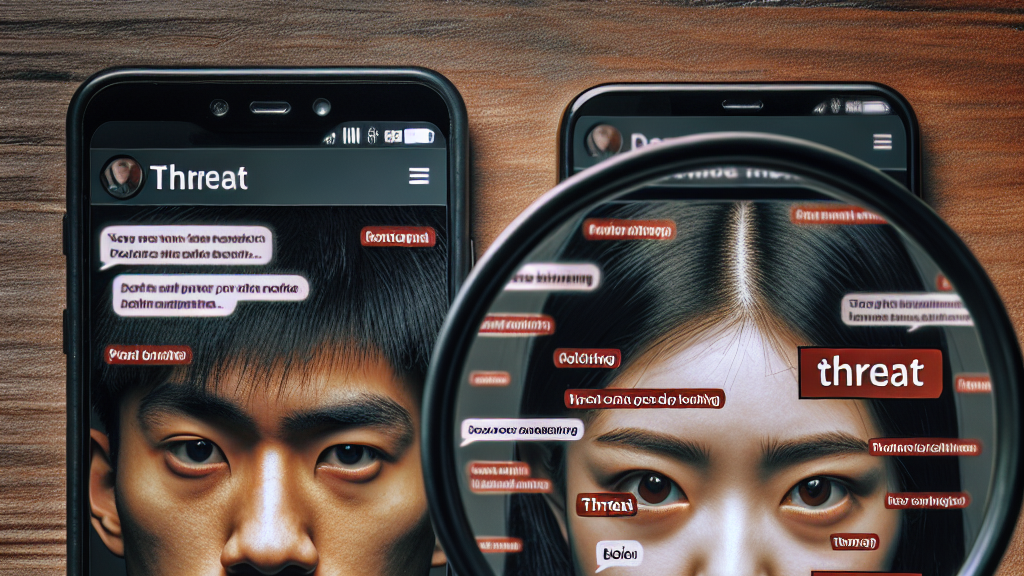
Did you know that the very tweets you scroll through on social media could be vital in keeping you safe from air pollution? In today’s digital era, social media platforms like Twitter are not just for social updates; they are evolving into powerful tools that help us monitor environmental changes, including tracking air quality in cities. This might seem like a plot twist in a sci-fi movie, but it’s happening right now, where tweets can act as ‘sensors’ for air pollution levels.
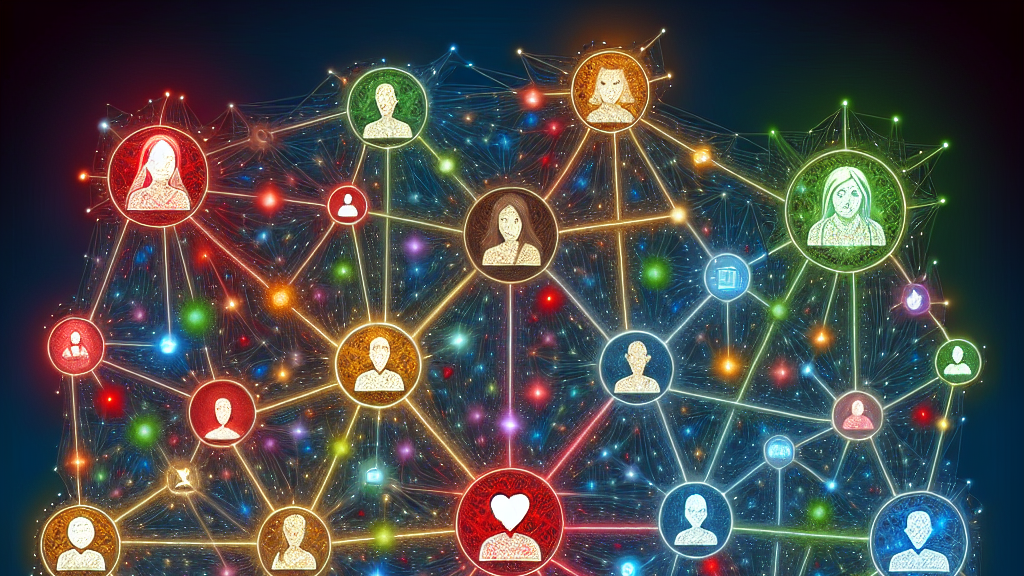
The research delved into the potential of using Twitter to track air pollution in Delhi, one of India’s most polluted cities. The project aimed to identify tweeters who are actively discussing air pollution events, thereby acting as human ‘sensors’. Using a special algorithm called TRank, researchers could pinpoint influential users based on their social media interactions, like retweets, favorites, and followers. The idea was to see if these influencers in the digital world could correlate their perceptions of air quality with real-time data from physical pollution sensors.
Imagine your city has an air quality alert system that doesn’t rely solely on physical sensors but also taps into the collective insights and discussions from social media. With this research, cities could develop a complementary framework that amplifies awareness through tweets, enhancing traditional methods of monitoring air pollution. This could lead to more informed communities, better resource allocation for pollution control, and ultimately, a healthier environment for everyone to breathe in!
In some cities, Twitter activity on air pollution events strongly correlates with actual data from air quality sensors!
FAQs
How can Twitter help track air pollution?
Twitter is used to identify influential users who discuss air pollution events. By analyzing tweets, researchers can gauge public perception and awareness, which can complement traditional air quality monitoring.
What is the TRank algorithm?
The TRank algorithm is a tool used to identify influential Twitter users by evaluating retweets, favorites, and follows. It helps pinpoint those who play a significant role in spreading awareness about air pollution events.
Why is tracking influential Twitter users important for air quality?
Influential Twitter users can raise awareness and mobilize communities to act against air pollution. Their tweets can reflect public concern and contribute to a crowd-sourced air quality monitoring framework.
Can Twitter data replace physical air pollution sensors?
No, Twitter data is not a replacement for physical sensors but can supplement them by providing real-time public perception and awareness, leading to a more comprehensive understanding of air quality issues.
How does this research impact the fight against air pollution?
This research highlights the potential of social media in enhancing traditional air quality monitoring, encouraging community involvement, and raising awareness to drive change and policy-making.
Background
Online Social Media has become an informational hub where users share their daily experiences, opinions, and warnings. This can be leveraged to monitor environmental issues like air pollution. Social media, including platforms like Twitter, can serve as an informal ‘sensor’ network, helping us assess and react to real-world problems by analyzing patterns and trends within the data users generate.
History
Using social media data for real-world applications started with its use in disaster response and political predictions. Researchers noticed its potential for gathering real-time data from the ground up, leading to the idea of employing it for environmental monitoring like air pollution. This study builds on previous research by honing in on how influential users can amplify awareness and act as nodes in a crowd-sourced sensor network.
Based on “AirCalypse: Can Twitter Help in Urban Air Quality Measurement and Who are the Influential Users?” by Prithviraj Pramanik, Tamal Mondal, Subrata Nandi, Mousumi Saha, available on arXiv (arxiv.org/abs/2502.19421), used under CC BY 4.0 (creativecommons.org/licenses/by/4.0/).