Imagine if something as thin as a piece of paper could be the future of technology. Well, graphene is just that—an incredible material only one atom thick that could transform how we think about tech gadgets and electronics. It’s like finding a new magic ingredient that could make everything faster and better without needing bulky materials.
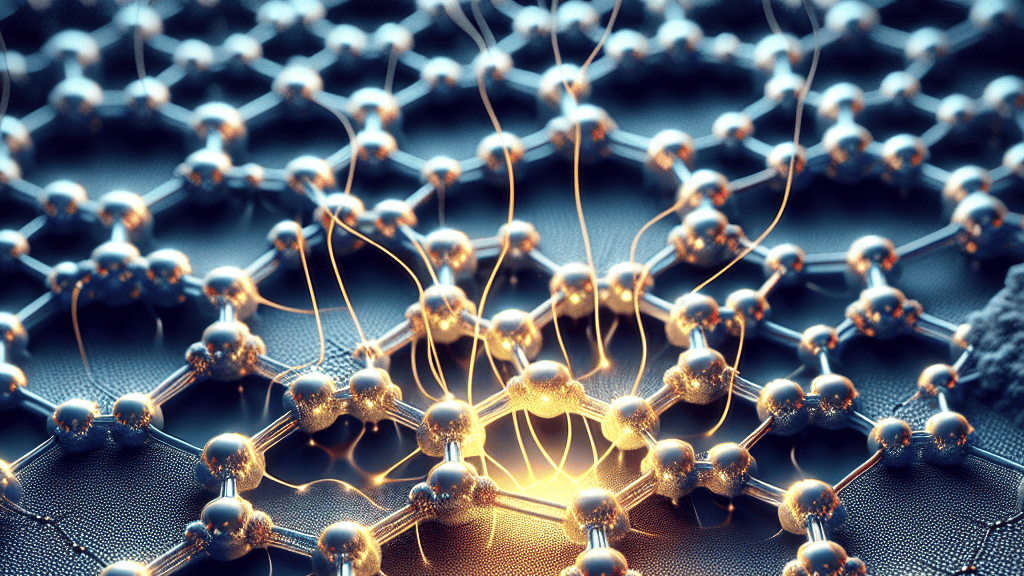
In a recent study, scientists have discovered that graphene has a special way of letting electrons escape its surface when it gets thick enough—more than five layers. They found this out by shooting electrons at it and watching how they bounced back, revealing cool new insights into how these electrons get excited and journey out. Thanks to advanced calculations, they could see a hidden pattern in what seemed like a bland electron trail.
This discovery could mean big changes for the future, like powering super-small devices or making sensors and screens more efficient. Imagine a phone that charges in minutes or displays that fold and still work impeccably. If research continues in this direction, graphene could be at the heart of many everyday gadgets, making them more impressive and environment friendly.
Graphene is a million times thinner than a human hair yet 200 times stronger than steel!
FAQs
What unexpected discovery did scientists make about graphene?
Scientists found that when graphene is more than five layers thick, it changes how electrons can escape its surface, opening up possibilities for advanced technology applications.
How does this discovery potentially impact technology?
This could lead to faster and more efficient devices as graphene’s electron-emitting properties could power enhanced sensors, screens, and even super-fast electronics.
Why is the layering of graphene important for this discovery?
More than five layers of graphene introduce electronic ‘doorway’ states, enabling electrons to escape more freely, unlocking new tech potentials.
How was the study conducted?
Researchers used scattered electron detection and density functional theory calculations to understand and map how electrons behave as they escape graphene.
Background
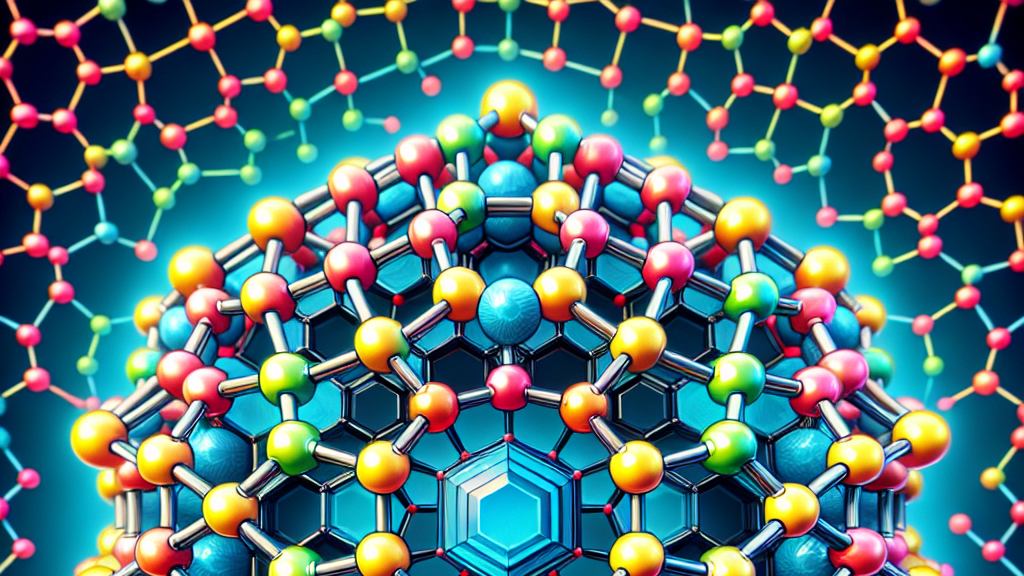
Graphene is a single layer of carbon atoms arranged in a hexagonal lattice, renowned for its strength and thinness. It has the potential to transform various technologies due to its unique electrical properties. The study employed electron scattering techniques and density functional theory to uncover how electrons interact with graphene layers.
History
Graphene has been the subject of intense study since its isolation in 2004, leading to various potential applications from electronics to medicine. Previous research has focused on its conductivity and mechanical properties, but this study highlights a novel aspect of electron interaction that could pave the way for breakthroughs in nanoelectronics.
Based on “On the role of Electronic Doorway States in the Secondary Electron Emission from Solids” by Anna Niggas, Maosheng Hao, Peter Richter, Florian Simperl, Felix Blödorn, M Cap, Johannes Kero, D Hofmann, Alessandra Bellissimo, Joachim Burgdörfer, Thomas Seyller, Richard A Wilhelm, Florian Libisch, Wolfgang S M Werner, available on arXiv (arxiv.org/abs/2501.06228), used under CC BY 4.0 (creativecommons.org/licenses/by/4.0/).