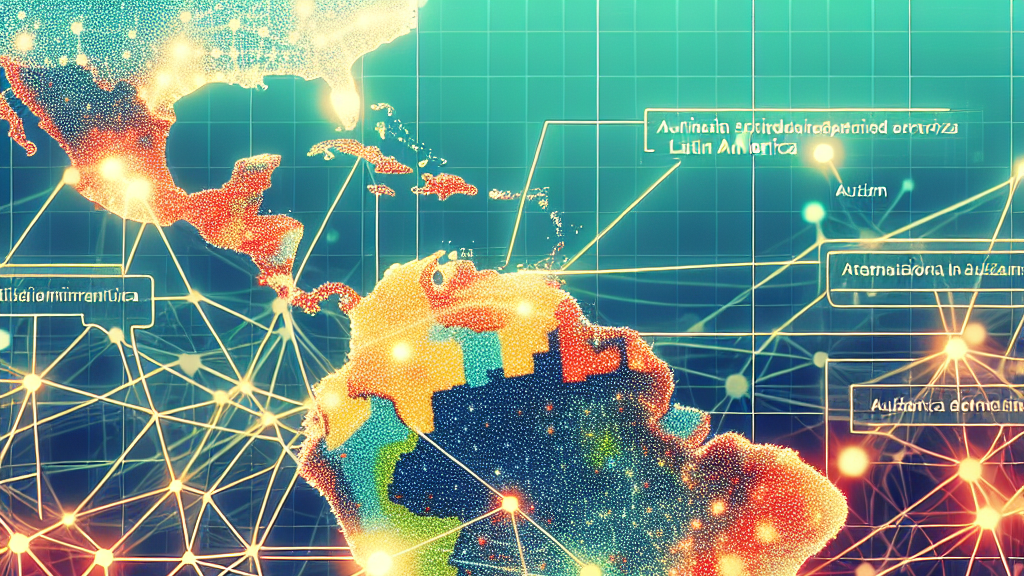
Imagine you’re a parent seeking answers about autism, and the internet becomes a web of confusion with too-good-to-be-true solutions lurking around every corner. That’s the reality millions are facing in Latin America and the Caribbean. Since the COVID-19 pandemic, there has been a staggering 15,000% increase in misleading information about autism, spreading like wildfire through online conspiracy theory communities. These false claims often revolve around miraculous cures that do not exist but prey on vulnerable families desperate for hope.
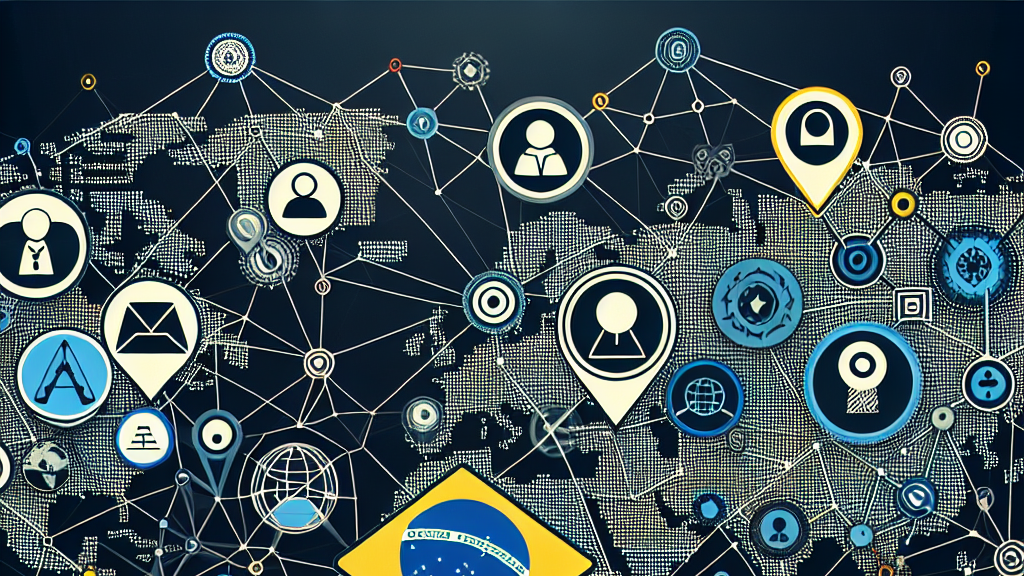
Researchers dug deep, analyzing 1,659 Telegram communities and an overwhelming 58 million pieces of shared content spanning a decade. The goal was to crack the code on how these false narratives take root and spread, impacting over 5.3 million users. They uncovered that a substantial portion of this content came from Brazilian communities, which were a major hub for distributing these misleading stories and encouraging a belief in unfounded autism claims.
Why does this matter to you? Well, understanding these patterns not only helps in tackling misinformation but also emphasizes the importance of critical thinking and fact-checking in our daily lives. In the future, this research could guide policies to curb misinformation and support reliable sources, ensuring that families have access to credible information, especially in times of global health crises when misinformation can be particularly damaging.
Did you know? Since the pandemic began, autism-related misinformation in Latin America has skyrocketed by 15,000%! That’s a 150-fold increase.
FAQs
What is the main focus of the study on conspiracy theory communities and autism in Latin America?
The study investigates how conspiracy theory communities in Latin America and the Caribbean disseminate disinformation about autism, focusing on structural networks and the promotion of false narratives.
How has the COVID-19 pandemic influenced misinformation about autism?
Since the pandemic, there has been a 15,000% increase in autism-related disinformation in the region, showing a link between health crises and the spread of conspiracy beliefs.
Which country is the leading source of autism disinformation in the studied regions?
Brazilian communities are identified as the leading sources, producing 46% of the conspiracy narratives analyzed.
What are some common false cures promoted by conspiracy theory communities?
False cures like chlorine dioxide, ozone therapy, and extreme diets are promoted, often exploiting families’ desperation for profit.
How can this research impact our approach to misinformation in health crises?
By understanding dissemination patterns, the research can guide policy-making to curb misinformation and promote critical thinking, ensuring access to credible health information.
Background
Conspiracy theories often flourish in digital spaces like social media, where information spreads rapidly with little fact-checking. When misinformation involves health topics, like autism, the consequences are severe as people may be lured into believing in false cures. This study uses network analysis to trace how these conspiracy groups communicate and magnify these false claims, spreading dangerous myths about what causes autism and how it can be ‘cured.’
History
The relationship between conspiracy theories and health misinformation is not new, but it’s been exacerbated in the digital age. Historical anti-vaccine movements and pseudoscientific health claims have long existed, but the pandemic has provided fertile ground for misinformation to flourish, particularly online. This research builds on earlier studies of misinformation spread by pinpointing specific regions and platforms affected by drastic increases since COVID-19.
Based on “Disinformation about autism in Latin America and the Caribbean: Mapping 150 false causes and 150 false cures of ASD in conspiracy theory communities on Telegram” by Ergon Cugler de Moraes Silva, Arthur Ataide Ferreira Garcia, Guilherme de Almeida, Julie Ricard, available on arXiv (arxiv.org/abs/2504.01991), used under CC BY 4.0 (creativecommons.org/licenses/by/4.0/).