Imagine waking up to find out that the information you’ve believed about a loved one’s health is not only false but potentially harmful. In places like Latin America and the Caribbean, misinformation about autism is spreading faster than you might think, especially online. This isn’t just your average misunderstanding—it’s organized, it’s strategic, and it’s going viral at an alarming rate. So, what is being done, and what can we do about it?
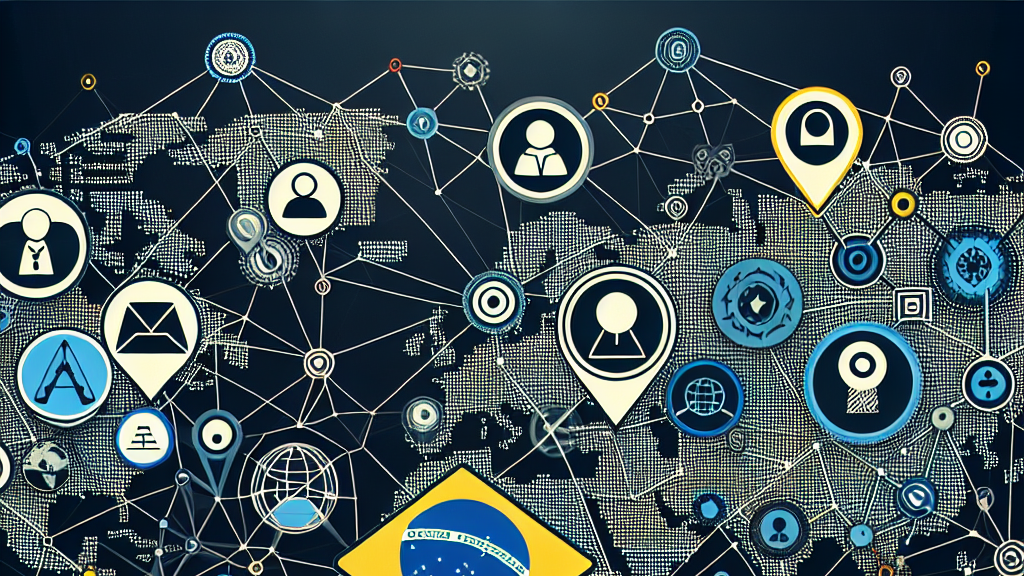
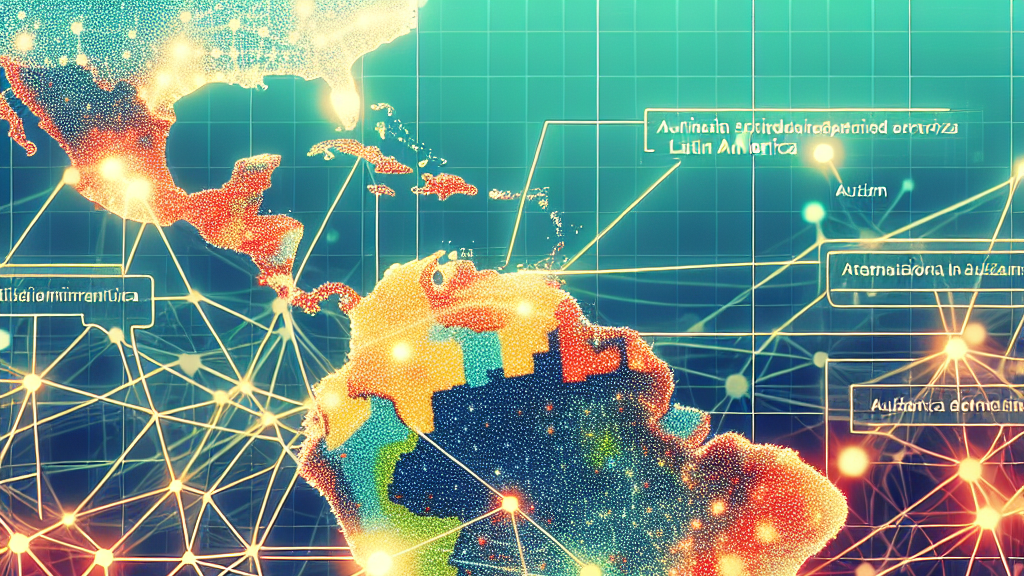
Researchers dove deep into a decade’s worth of online chatter, including over 58 million pieces of content shared by more than 5.3 million users across 1,659 Telegram communities. What they found is shocking: since the COVID-19 pandemic started, there’s been a staggering rise—15,000% to be exact—in autism-related misinformation. These false pieces include unfounded claims about what causes autism and fake cures like chlorine dioxide or extreme diets. Brazilian communities are at the forefront, leading the charge in spreading these misleading narratives.
This research is invaluable because it gives us a detailed map of how these falsehoods spread. Imagine a world where a simple online search could mislead desperate families into spending money on harmful treatments. By understanding the digital network behind these conspiracy theories, we can develop better ways to counteract them. You could be part of the solution by avoiding and reporting misinformation, ultimately making a safer digital world for everyone.
Did you know that since the COVID-19 pandemic, autism-related misinformation online has increased by a staggering 15,000%?
FAQs
Why is autism-related misinformation spreading so rapidly online?
The spread is largely driven by conspiracy theory communities that leverage social media platforms, especially during health crises, to proliferate unfounded claims and miraculous cures about autism.
What role do Brazilian online communities play in spreading misinformation about autism?
Brazilian communities are identified as the largest producers and distributors of autism-related disinformation in Latin America, accounting for 46% of the analyzed content.
How do conspiracy theories impact families dealing with autism?
False cures and misleading information prey on vulnerable families, often leading them to spend money on ineffective or harmful treatments, which can exacerbate stress and financial strain.
What are some examples of false autism cures being promoted online?
Examples include chlorine dioxide solution, ozone therapy, and extreme diets, which are not scientifically supported and can be harmful.
How can we combat autism misinformation in conspiracy theory communities?
By increasing public awareness, improving digital literacy, and promoting reliable sources of information, we can challenge these harmful narratives and protect vulnerable communities.
Background
Conspiracy theories often emerge during times of uncertainty, like global health crises, when people are seeking explanations for complex issues. In this case, false narratives about autism are being propelled by misinformation networks, often through coordinated efforts on social media platforms. This research applies network analysis and other methodologies to study these patterns and the influencers involved.
History
Conspiracy theories have long plagued public understanding of complex topics. In recent years, the rapid growth of social media has accelerated the segmentation and spread of misinformation, particularly around health issues. This study builds on earlier research that highlighted the role of digital platforms in hosting these harmful narratives, especially during the COVID-19 pandemic.
Based on “Disinformation about autism in Latin America and the Caribbean: Mapping 150 false causes and 150 false cures of ASD in conspiracy theory communities on Telegram” by Ergon Cugler de Moraes Silva, Arthur Ataide Ferreira Garcia, Guilherme de Almeida, Julie Ricard, available on arXiv (arxiv.org/abs/2504.01991), used under CC BY 4.0 (creativecommons.org/licenses/by/4.0/).