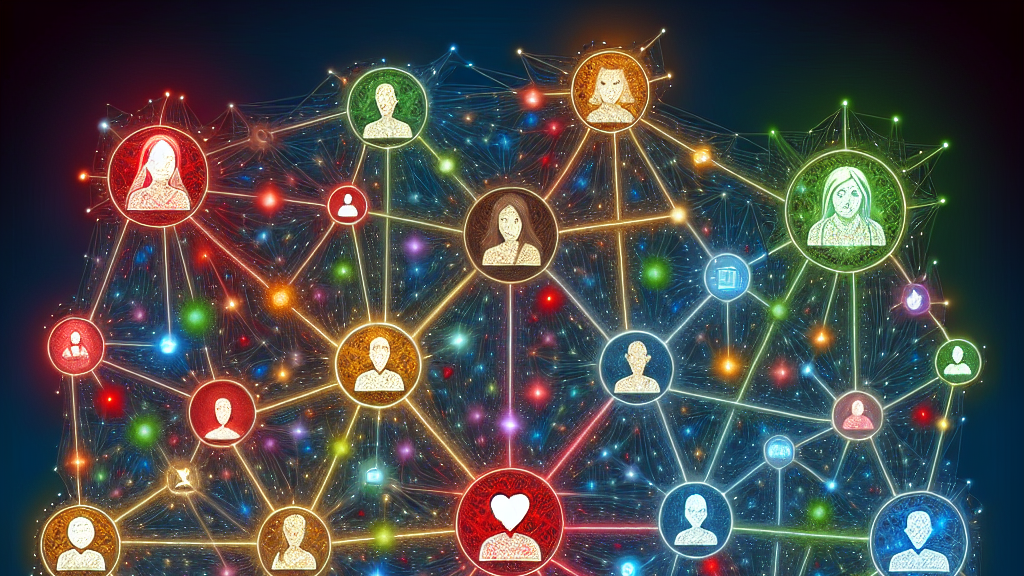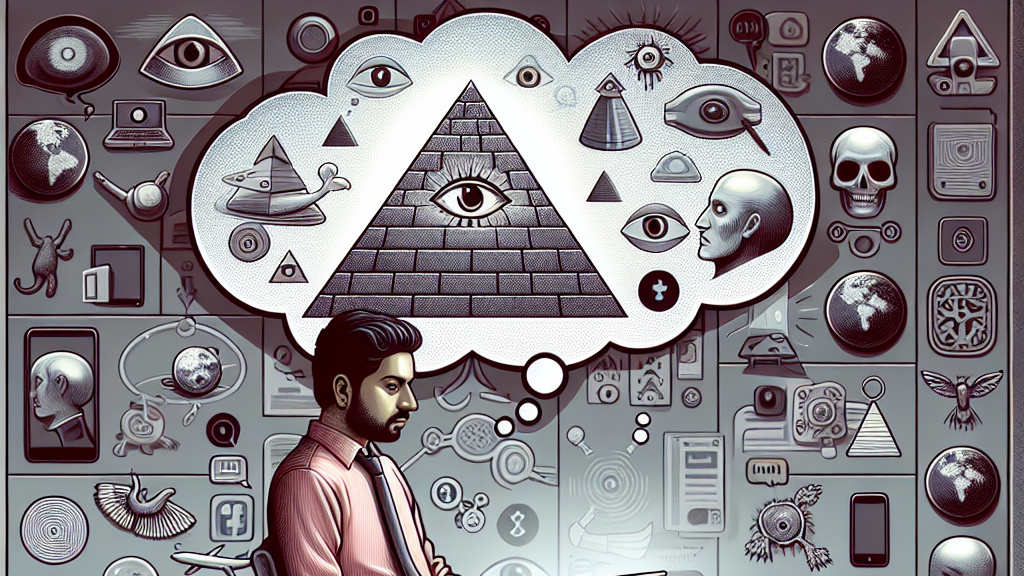
Ever wondered if there’s a secret radar that tunes people into conspiracy theories? Turns out, some users on social media show signs of a ‘conspiratorial mindset’ before they ever engage with conspiracy communities online. This study reveals how these individuals might be drawn into these groups not because they’re being radicalized by the community, but because they’re already predisposed to thinking in a particular way.
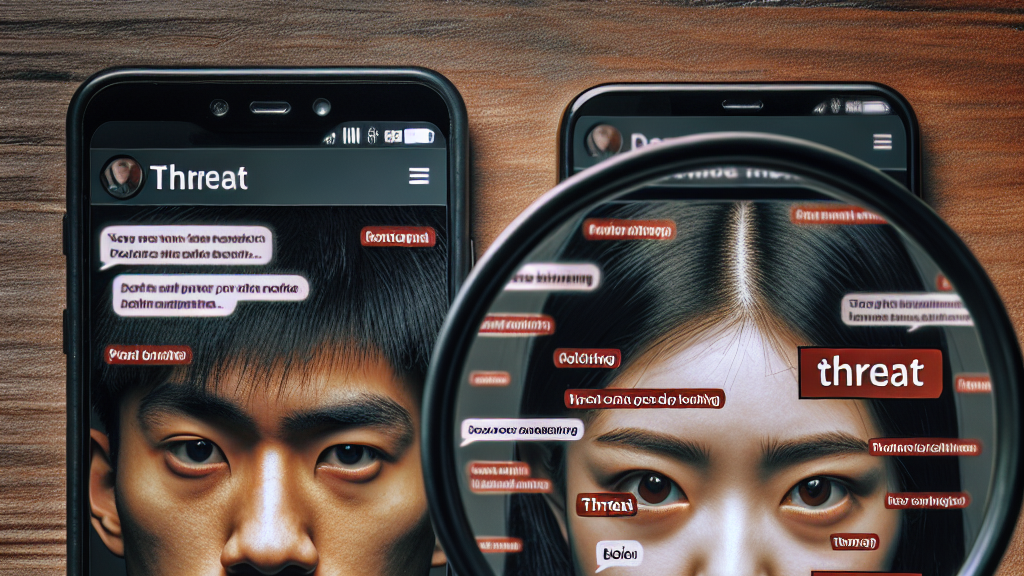
Researchers analyzed social media activity, specifically focusing on users who later participate in conspiracy-focused Reddit communities. They found that these users exhibit distinct linguistic patterns in their online interactions, setting them apart from other users even before joining conspiracy groups. This means that these individuals possess a unique way of perceiving the world, potentially making them more susceptible to conspiratorial beliefs.
So what does this mean for the future? If we can identify people with a predisposed conspiratorial mindset early, we could develop more effective, supportive interventions to help prevent them from diving deeper into extreme communities. This research suggests that focusing on understanding and addressing the mindset could lead to safer and more constructive public discourse both online and offline.
Did you know that your choice of words can reveal your hidden biases towards conspiracy theories before you even join a conspiracy group online?
FAQs
What is a ‘conspiratorial mindset’ and how does it affect people online?
A ‘conspiratorial mindset’ is a way of perceiving the world where people are more likely to see hidden plots and connections. This mindset can predispose individuals to engage with conspiracy theories even before they join related online communities.
How can understanding a ‘conspiratorial mindset’ help in moderating online platforms?
By identifying users with a conspiratorial mindset early, platforms can tailor interventions to prevent deeper radicalization, moving beyond standard moderation techniques that may not be effective for these individuals.
Do social media platforms play a role in radicalizing users into conspiracy beliefs?
This research suggests that social media platforms may not actively radicalize users; instead, individuals with a pre-existing mindset seek out conspiracy communities, indicating a need for different intervention methods.
What implications does this research have for online safety and public discourse?
Understanding that some people are predisposed to conspiracy thinking can help in designing more targeted interventions, fostering a safer environment for both online and offline public conversations.
Background
In the realm of social media, conspiracy theories are a form of radicalization where people come to believe in hidden plots or schemes, often resistant to efforts to moderate or control them. The concept of a ‘conspiratorial mindset’ refers to a cognitive predisposition that inclines people towards these beliefs, which can be identified through their language and behavior online.
History
The research builds on past studies exploring online radicalization and the psychological profiles of conspiracy believers. Previous work has often focused on community influence in radicalizing individuals, but recent findings suggest that a pre-existing mindset may be the driving force, sparking a need for new moderation strategies.
Based on “Early linguistic fingerprints of online users who engage with conspiracy communities” by Francesco Corso, Giuseppe Russo, Francesco Pierri, Gianmarco De Francisci Morales, available on arXiv (arxiv.org/abs/2506.05086), used under CC BY 4.0 (creativecommons.org/licenses/by/4.0/).