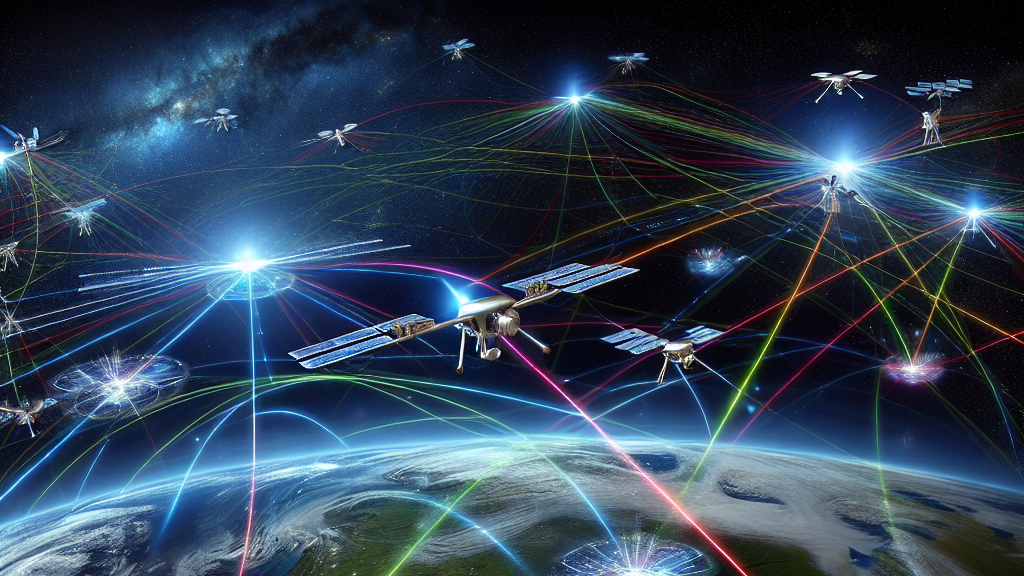
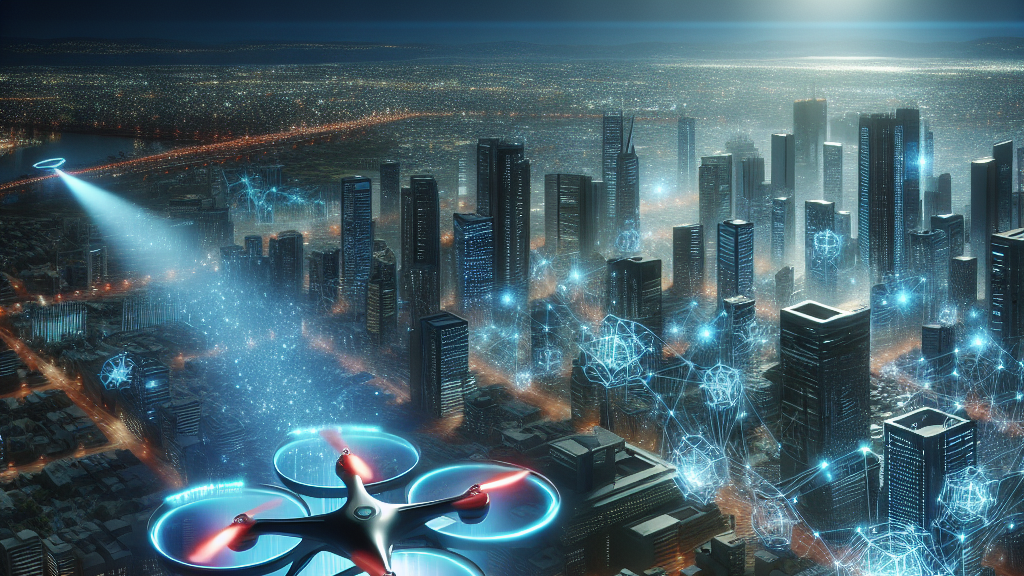
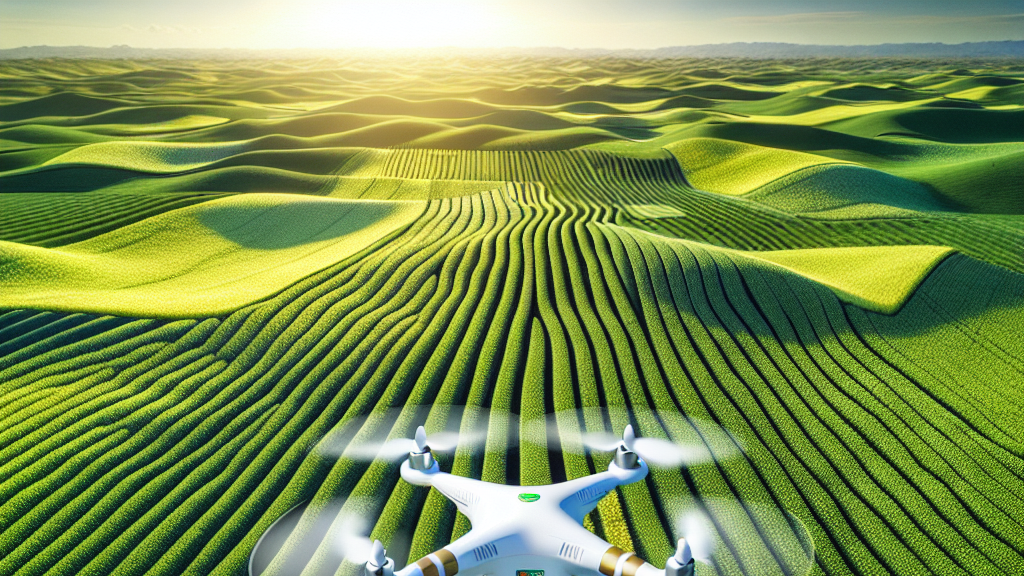
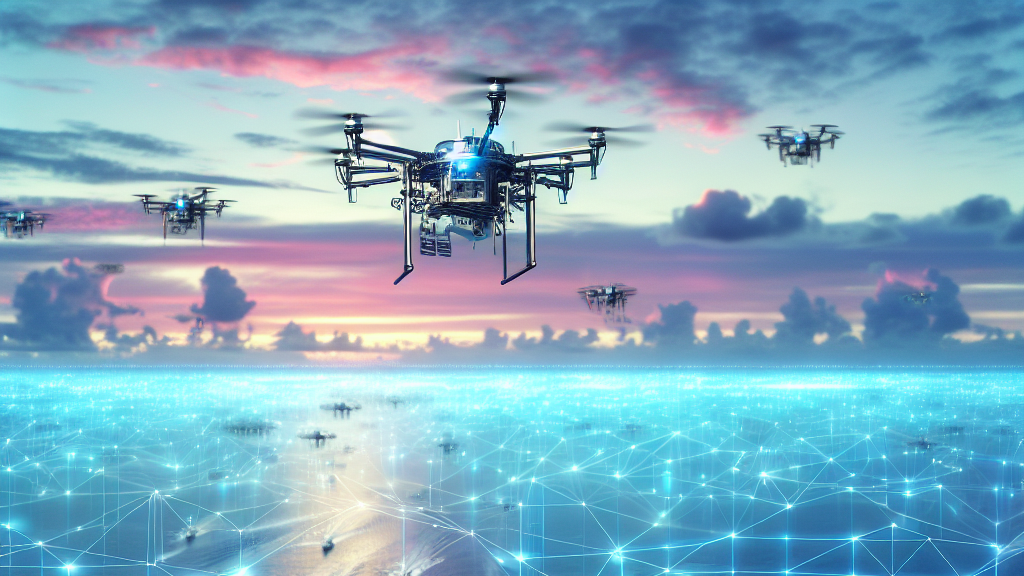
Imagine a city where drones don’t just fly around aimlessly but communicate with each other and with the ground, creating an intricate web of information. This isn’t science fiction; it’s the future that a new type of low-altitude wireless network, or LAWN, is making possible. With its cutting-edge 3D layered architecture, LAWN integrates connectivity, sensing, control, and computing all in one, allowing drones and other aerial devices to operate smoothly and safely in busy environments.
The real magic of LAWN lies in its ability to seamlessly combine multiple functions that traditionally happen separately. Imagine a delivery drone that not only avoids obstacles but communicates its findings in real-time to other drones and ground stations, making city logistics safer and more efficient. Technologies like integrated sensing and communication further enhance this system, enabling everything from live data sharing to advanced controls that give drones the flexibility to adapt to changing conditions on the fly.
Picture this in action: during a natural disaster, these drones could rapidly coordinate with ground stations to assess damage, deliver supplies, and even assist in search and rescue operations—all while communicating seamlessly through their 3D network. Over time, this kind of technology could become a staple of modern urban life, not just improving efficiency, but fundamentally changing how cities are managed and how daily tasks are performed.
Did you know? The sky might soon be as busy as the internet, with drones communicating in 3D networks!
FAQs
What exactly is a low-altitude wireless network (LAWN)?
A low-altitude wireless network, or LAWN, is a next-generation communication system that uses a 3D layered architecture to enable seamless connectivity and data exchange between aerial and terrestrial nodes, enhancing functionality and efficiency in complex, dynamic environments.
How could LAWN impact everyday life?
LAWN could transform city management, emergency response, and delivery systems by enabling drones and other aerial technologies to communicate and coordinate in real time, improving efficiency, safety, and service reliability in urban settings.
What technologies make LAWN possible?
LAWN leverages advanced technologies like integrated sensing and communication (ISAC), semantic communication, and fully-actuated control systems, allowing for adaptive and intelligent interaction between drones and ground networks.
How is LAWN different from traditional aerial communication systems?
Unlike conventional systems, LAWN integrates multiple functionalities such as connectivity, sensing, control, and computing into a cohesive framework, enabling more dynamic and efficient operation in low-altitude airspace.
What are the challenges of implementing LAWN?
Some challenges include handling cross-layer integration, ensuring secure communication, and developing robust systems that can adapt to rapidly changing environmental conditions.
Background
At its core, LAWN represents a shift in how communication networks are structured, particularly in low-altitude airspaces where drones operate. Instead of isolated functions, LAWN brings together various elements like connectivity, control, and computing in a reconfigurable, 3D architecture, akin to a floating internet in the sky. This is made possible through technologies that allow real-time data exchange and decision-making, which are critical in environments where speed and adaptability are necessary.
History
The concept of aerial communication isn’t new, as we’ve been exploring ways to improve drone functionality for years. Early efforts focused on basic communication and navigation. Over time, advancements in integrated sensing and communication technologies have paved the way for more sophisticated systems. LAWN stands out by synthesizing these developments into a unified, reconfigurable framework that operates more efficiently and can perform a broader range of tasks than its predecessors.
Based on “From Ground to Sky: Architectures, Applications, and Challenges Shaping Low-Altitude Wireless Networks” by Weijie Yuan, Yuanhao Cui, Jiacheng Wang, Fan Liu, Geng Sun, Tao Xiang, Jie Xu, Shi Jin, Dusit Niyato, Sinem Coleri, Sumei Sun, Shiwen Mao, Abbas Jamalipour, Dong In Kim, Mohamed-Slim Alouini, Xuemin Shen, available on arXiv (arxiv.org/abs/2506.12308), used under CC BY 4.0 (creativecommons.org/licenses/by/4.0/).