Connect with us

Search by keyword

Computers

Can AI Images Break Free from Biases?

This research delves into how AI-generated images can reinforce societal biases, urging for more inclusive practices to ensure fair and diverse representation. It examines how text-to-image models often reflect stereotypes and stresses the need for improvement.

Can AI Images Break Free from Biases
✨Researched by humans. Explained by robots. Learn more.

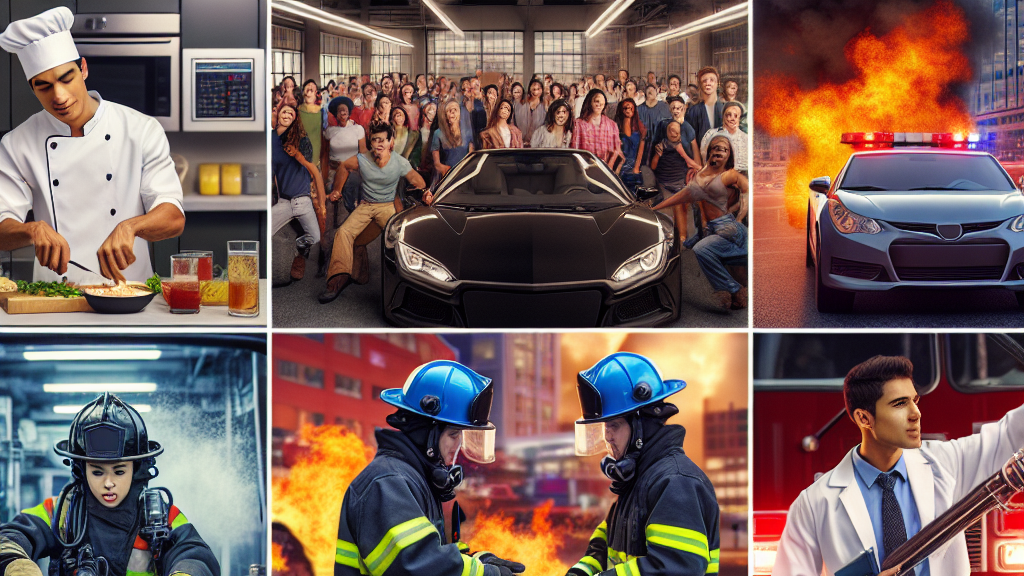
Imagine creating a picture just by describing it in words. Sounds amazing, right? That’s exactly what text-to-image AI models do; they can generate incredibly realistic images from a simple text prompt. But here’s the twist: these models might also be sneaky carriers of biases, reflecting harmful stereotypes found in society.

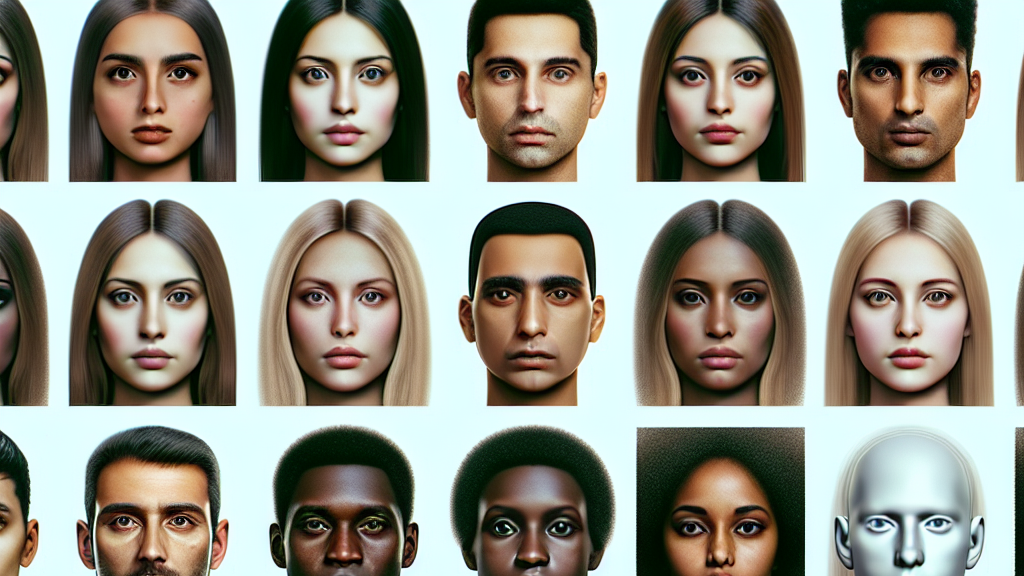
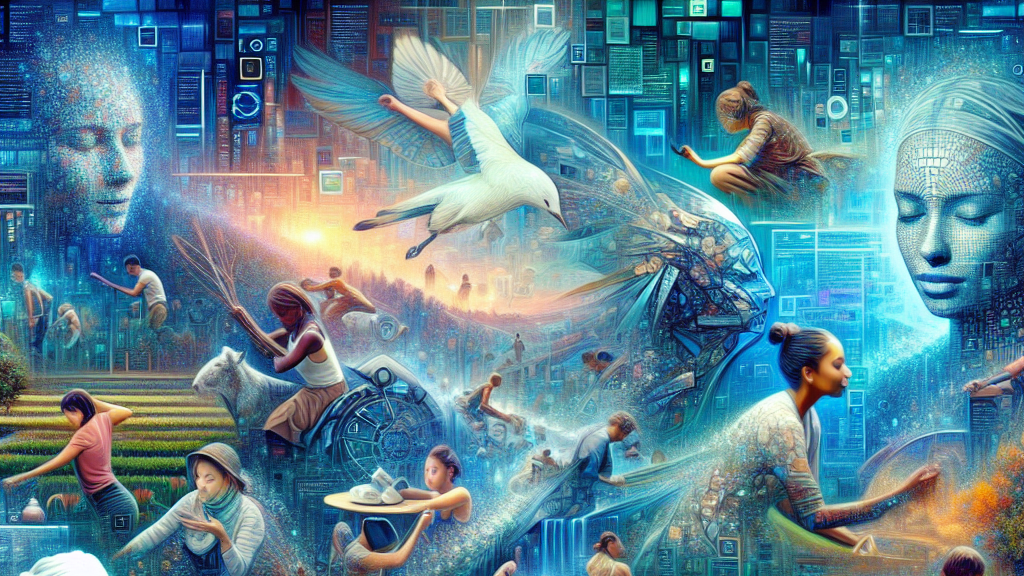
Researchers have taken a deep dive into this problem by feeding these AI systems with a wide array of prompts—everything from job roles to emotions and even family dynamics. They generated over 16,000 images using AI models, comparing them with thousands of images from Google. The results revealed troubling patterns: biases in gender, race, and age were all too common, mirroring societal prejudices.

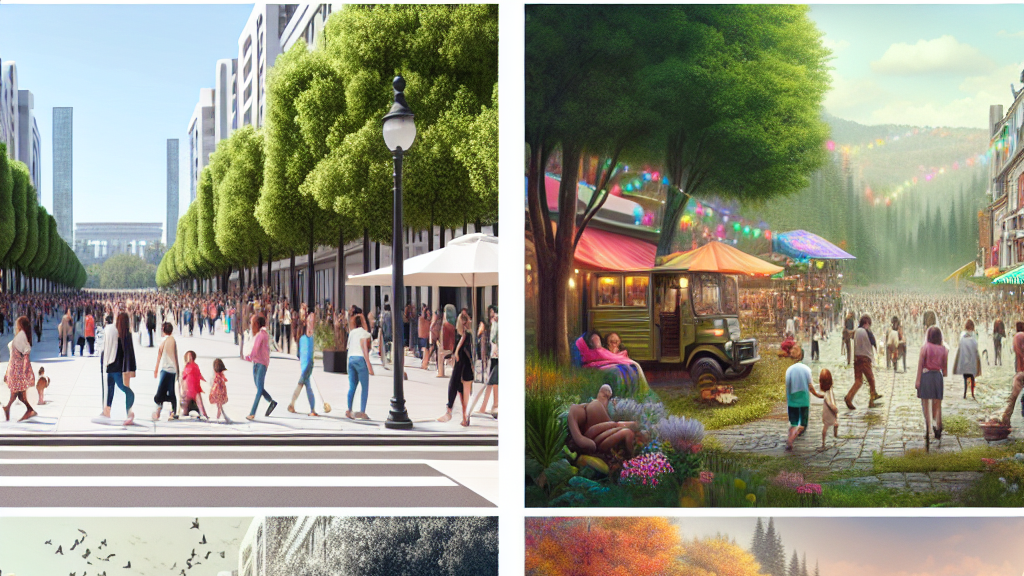
So, how do we fix it? The key lies in creating more inclusive datasets that cover all walks of life, ensuring everyone’s story is told fairly. Imagine AI art galleries that reflect the true diversity of our world, showcasing people of all backgrounds equally. With more mindful development, AI could become a powerful tool for fairness and inclusivity in digital art creation.

Did you know that AI models can inadvertently reproduce biases found in society, even when generating art?

FAQs

What are text-to-image AI models and how do they work?

Text-to-image AI models are systems that create images based on written descriptions. They work by understanding the text input and generating a visual representation, often using complex algorithms and vast datasets to mimic human creativity.

How do AI-generated images reflect societal biases?

AI-generated images can reflect societal biases because they are trained on datasets that may contain biased information. If the training data includes stereotypical representations, the AI is likely to produce similar biased outputs, reinforcing existing prejudices.

Why is it important to address biases in AI-generated images?

Addressing biases in AI-generated images is crucial for promoting equality and fairness. As AI continues to influence media and art, ensuring that its outputs represent diverse and accurate depictions of people can help combat stereotypes and create more inclusive digital spaces.

What measures can help reduce biases in AI models?

Creating more inclusive datasets that cover a wide range of representations in terms of gender, race, age, and other factors can help reduce biases. Additionally, implementing fairness guidelines during AI model development can lead to more equitable outcomes.

Could AI eventually create unbiased images?

While it is challenging to completely eliminate biases, with continuous refinement of datasets and development practices, AI has the potential to create more balanced and fair representations in the future.

Background

Text-to-image models leverage vast datasets and complex algorithms to convert written prompts into visual imagery. These algorithms are trained on existing data, which often includes human-generated content. As a result, the AI’s output can mirror the biases present in that content, unless steps are taken to mitigate these effects.

History

The development of text-to-image technology has evolved alongside advancements in machine learning and image processing. Early AI models focused on basic image recognition, but as technology advanced, the ability to generate high-quality images from text became possible. However, as with many AI systems, the potential for bias has become a significant focus in recent years, prompting researchers to explore ways to improve fairness and representation.

Based on “Hidden Bias in the Machine: Stereotypes in Text-to-Image Models” by Sedat Porikli, Vedat Porikli, available on arXiv (arxiv.org/abs/2506.13780), used under CC BY 4.0 (creativecommons.org/licenses/by/4.0/).

Trending

Latest

Can AI Save Water Discover How

Computers

AI is transforming the tech world, but it uses lots of water! A new tool, SCARF, helps us measure and reduce AI's water footprint,...

Whats a Forbush Decrease and Why Should We Care Whats a Forbush Decrease and Why Should We Care

Space

Scientists just observed the biggest solar storm event in years, revealing unexpected cosmic ray patterns. Understanding these changes could help us protect our technology...

Can Cars Spot Danger Faster Than Humans Can Cars Spot Danger Faster Than Humans

Computers

Think about how quickly you react when something unexpected happens on the road. This research brings us closer to creating self-driving cars that can...

Can Fear of the Other Stop Social Harmony Can Fear of the Other Stop Social Harmony

Physics

Fear of the unknown might make it harder for people to agree and get along. This study shows that when people have strong xenophobic...

Can AI Revolutionize Breast Cancer Diagnosis Can AI Revolutionize Breast Cancer Diagnosis

Electricity

This research introduces a groundbreaking AI model that can accurately assess HER2-positive breast cancer using widely accessible staining methods, potentially revolutionizing how we diagnose...

Can AI Transform Your Singing into a Choir Can AI Transform Your Singing into a Choir

Computers

Imagine singing solo and having AI turn you into a choir. This research unveils a groundbreaking AI tool that transforms your voice into rich...

You May Also Like

Economics

Discover how AI models can unknowingly favor certain races in mortgage decisions and how new methods could dramatically reduce these biases, fostering a fairer...

Computers

AI-created images might look cool, but they can hide a sneaky secret: reinforcing stereotypes about gender, race, and more. This research digs in to...

Computers

AI art is getting incredibly realistic, but it might be unintentionally reinforcing stereotypes and biases we see in society. This research explores these patterns...

Computers

Artificial intelligence systems favor attractive faces, linking them to traits like intelligence, and struggle more to accurately classify less-attractive, non-White female faces. This raises...

Computers

AI models, meant to help us code, might be playing favorites without us even knowing it, by promoting certain tech giants over others. This...

Computers

This research dives into how tech systems often fumble with gender recognition and proposes giving users a say in correcting these errors for better...

Computers

Imagine asking a smart computer to count stripes on an Adidas logo, and it can't do it right! This study reveals how AI models...

Computers

This research delves into how we assign blame for failures, revealing that whether we pin it on effort or external factors like luck can...

Computers

AI's ability to create realistic fake human portraits is advancing at lightning speed, raising fears about identity theft. This research explores ways to generate...

Copyright © 2024 8ig8rain.

Disclaimer: The content on 8ig8rain.com consists of AI-generated summaries of scientific abstracts from arXiv. Please note that most arXiv abstracts are preprints and may not have undergone formal peer review. While these summaries aim to convey key ideas and potential applications, they are provided for informational purposes only and should not be interpreted as validated scientific findings or professional advice. The summaries are intended to educate, spark curiosity, and inspire further exploration of science.